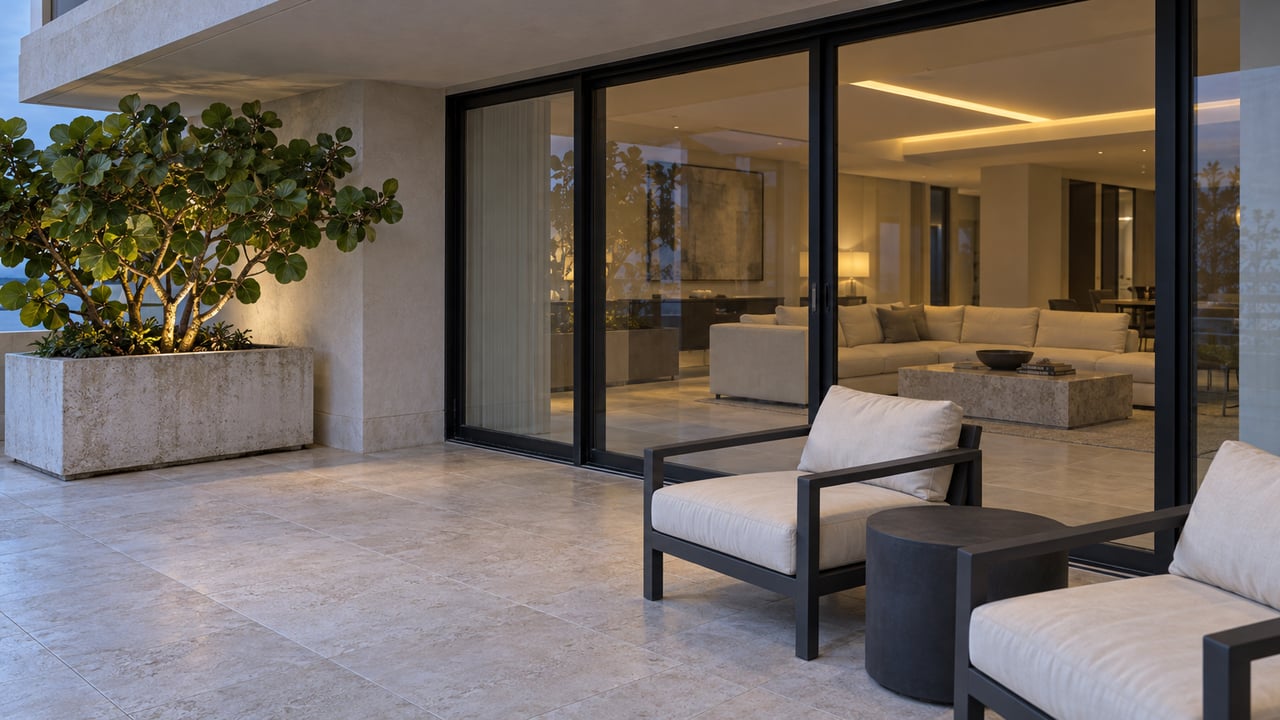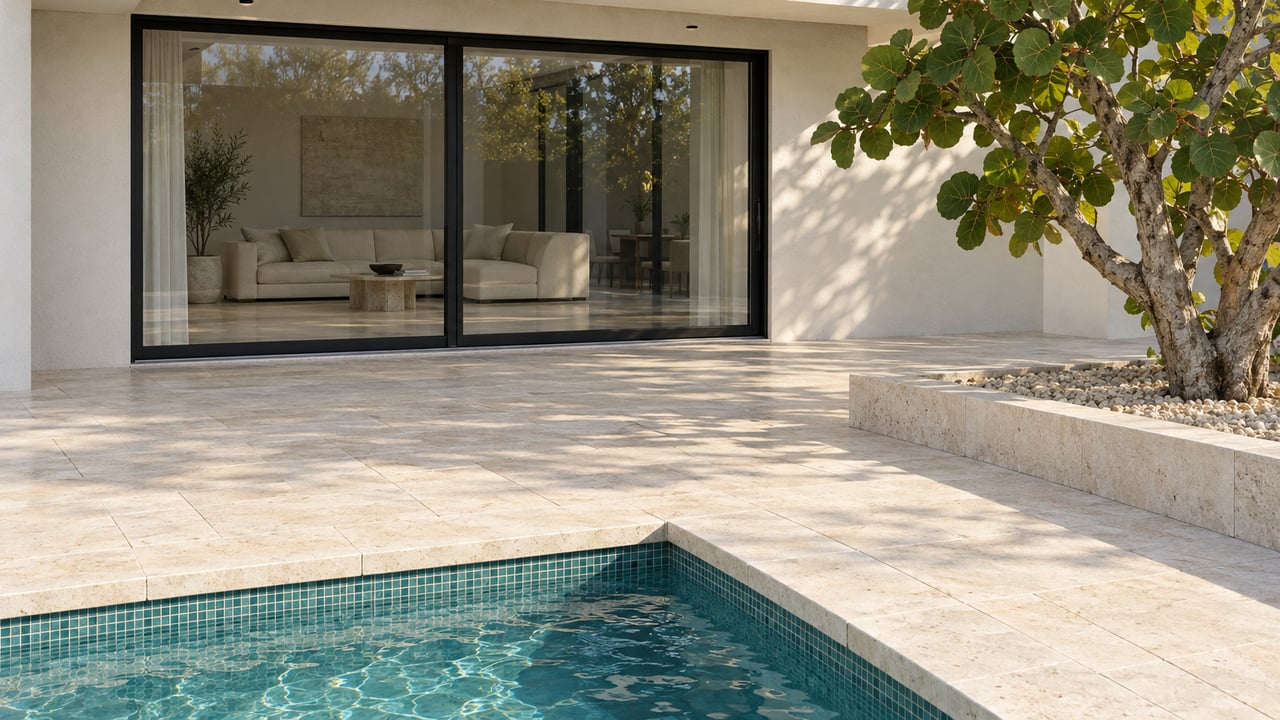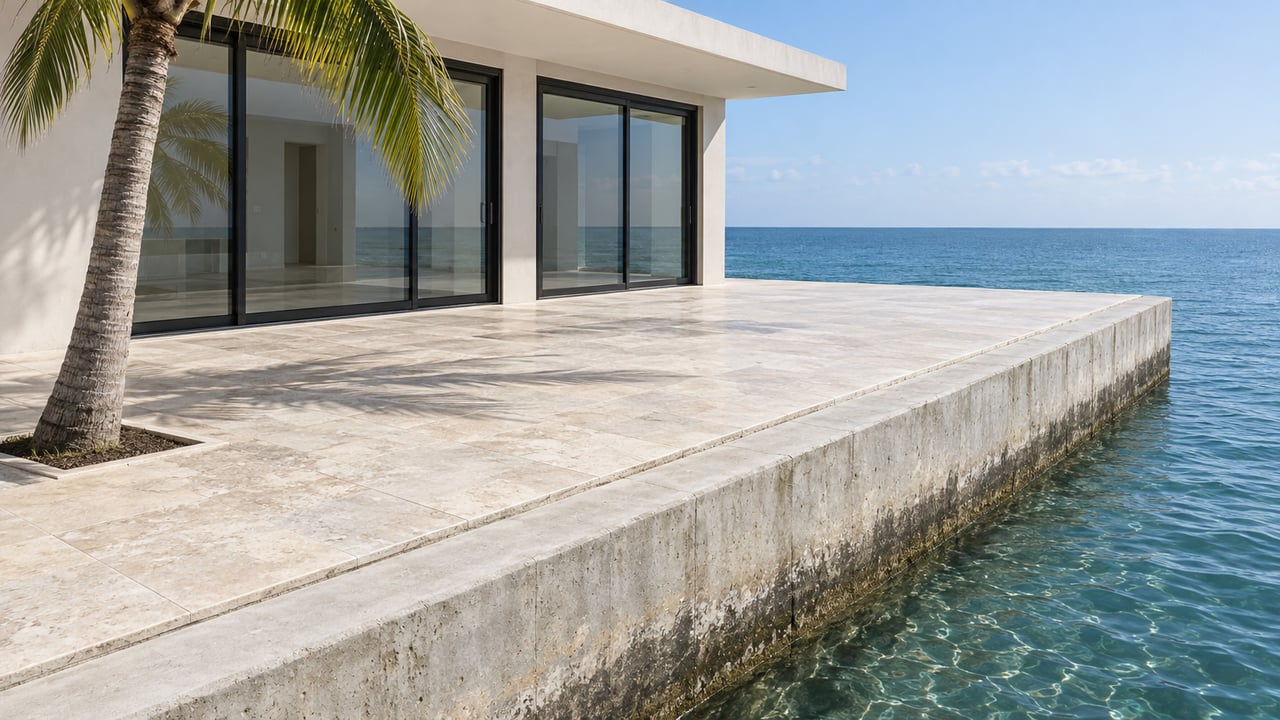
Deciding between a condo and a condo-hotel in Sunny Isles Beach can feel tricky. Both offer oceanfront living and resort-style amenities, yet the ownership experience, financing, rental flexibility, and long-term costs are very different. If you want a clear, practical way to choose the right fit for your goals, you are in the right place. This guide breaks down how each option works in Sunny Isles, what lenders look for, how rental income is handled, and the due diligence steps that protect you. Let’s dive in.
Quick definitions in Sunny Isles
A condo is a residential unit you own, along with a shared interest in the building’s common areas. It is governed by a condominium association under Florida’s Condominium Act, Chapter 718. The association sets rules, collects assessments, and manages the property according to the governing documents.
A condo-hotel is also structured as condominium units, but it runs like a hotel. You will see centralized reservations, housekeeping, a front desk, and nightly or weekly rentals. Owners usually participate in a rental program and accept limits on personal use under the operator agreement.
Sunny Isles Beach has a strong resort profile with many high-rise luxury buildings. That market context makes condo-hotels more common here than in many other coastal areas. Local rules and each building’s governing documents control what you can rent, how often, and what permits or taxes apply.
How ownership differs
Ownership in a condo is straightforward. You hold title to your unit and have voting rights within the association. Rental rules, guest policies, and amenity use are driven by the condo documents and any city or county regulations.
Ownership in a condo-hotel blends condo rights with hotel operations. You may sign a hotel operator or rental pool agreement that sets owner-use limits, scheduling rules, and fee structures. Guests often share amenities with owners, and the experience feels like a resort.
If you value full control over when and how you use your home, a standard condo typically offers more flexibility. If you prefer a turnkey experience with on-site services and a built-in rental platform, a condo-hotel is designed for that.
Financing realities to expect
Lenders categorize projects as warrantable or non-warrantable based on detailed criteria. Many condo-hotels do not meet conventional agency standards because of hotel services, short-term rental intensity, or high investor concentration. That affects loan programs, rates, and down payment requirements.
- Conventional loans are more available for warrantable condos and may be limited or unavailable for condo-hotels.
- FHA and VA loans require project approval and are often not available in condo-hotel settings.
- Jumbo or portfolio loans are common for non-warrantable projects and for high-end purchases. Expect tighter underwriting and higher rates compared to conforming loans.
Underwriting focuses on your occupancy plan, the building’s reserves, litigation history, and any special assessments. Appraisers also consider how the market treats hotel-like units and the presence of nightly rental income.
Rental flexibility and income
Rental rules in standard condos vary by building. Many associations set minimum lease terms such as 30, 60, or 90 days. Some limit the number of rental units at any time, and others restrict short-term rentals entirely. You need to confirm the exact rules in the building you are considering.
Condo-hotels are designed for short-term rentals. The hotel operator usually manages reservations, housekeeping, and tax collection. You may be required to join the rental pool for certain periods, and owner stays can be capped by nights per year or blackout dates.
Income models differ:
- Standard condo: You keep more of the rent if you self-manage or use a long-term lease, but you are responsible for marketing, guest screening, and compliance with local rules.
- Condo-hotel: Income is more passive, since the operator handles operations. Your share of revenue is paid after program commissions, housekeeping, marketing, and other fees. Net yield is often lower after these costs, but the process is simpler.
If you want predictable cash flow, long-term leasing in a standard condo can be steadier. If you want turnkey short-term income tied to tourism, a condo-hotel can fit that goal.
HOA, amenities, and cost structure
In any Sunny Isles building, review the association’s budget, reserves, and recent assessments. You want to understand what the monthly dues cover, what the reserves fund, and whether capital projects are planned.
Condo-hotels often carry additional costs tied to hotel services. Common charges include rental program commissions, housekeeping fees, reservation and marketing fees, and furniture and equipment replacement reserves. Utilities and staffing for resort-style operations can also increase overall expenses.
Amenity access works differently. In a standard condo, amenities are generally for owners and approved guests per the rules. In a condo-hotel, hotel guests and owners share amenities, and operating priorities may influence access, valet, and service levels. If privacy and control are important, review the operator agreement and house rules carefully.
Insurance is another key item. Confirm what the master policy covers, how windstorm and hurricane deductibles work, and what you must insure inside the unit. Condo-hotel programs often require you to maintain furniture and fixtures to brand standards.
Which option fits your goals
- You want a personal retreat with control: A standard condo with flexible rental rules is often best. You choose your schedule and lease terms without hotel restrictions.
- You want turnkey nightly rentals and on-site services: A condo-hotel aligns with hands-off ownership. Expect limits on personal use and a defined fee schedule.
- You want stable income with less seasonality: Standard condos with longer leases can provide steadier cash flow.
- You want maximum service and guest convenience: Condo-hotel operations deliver a resort experience with check-in, housekeeping, and concierge support.
Match the choice to how you plan to use the property, your financing profile, and how involved you want to be in operations.
Due diligence checklist for Sunny Isles buyers
Use this list to reduce surprises and protect your investment:
- Project warrantability and loans
- Ask your lender whether the project is warrantable and which loan programs fit. Compare terms among conventional, jumbo, and portfolio options.
- HOA documents
- Obtain the declaration, bylaws, articles, rules, budget, financials for the last 2 to 3 years, reserve study, and recent board meeting minutes.
- Rental rules and owner use
- Confirm lease minimums, rental caps, any short-term restrictions, and guest policies. Verify local licensing or registration requirements.
- Hotel/operator agreements for condo-hotels
- Review the operator agreement, rental pool terms, fees, blackout dates, owner-use limits, termination rights, and any brand standards for furnishings.
- Financial health of the association
- Evaluate reserves, planned capital projects, history of special assessments, and whether dues are projected to increase.
- Litigation and claims
- Ask for disclosures on any ongoing litigation or major insurance claims and how they could affect assessments or insurability.
- Insurance and disaster readiness
- Confirm the master policy scope, your in-unit insurance needs, and how hurricane deductibles are allocated.
- Taxes and transient occupancy rules
- Identify tourist tax obligations for nightly rentals and who remits them. Confirm local permits or business licenses if required.
- Lender options and terms
- Speak with multiple lenders, including local portfolio lenders experienced with coastal buildings and condo-hotels.
- Market comps and revenue modeling
- For investments, gather comparable rental data, occupancy patterns, and operator fee schedules. Model net revenue after all expenses and taxes.
Practical examples
- Lifestyle-first buyer: You want a quiet oceanfront home with occasional leasing. A standard condo that permits seasonal leases but restricts nightly rentals could balance privacy and flexibility.
- Investor seeking passive income: You prefer a branded experience, professional marketing, and no hands-on management. A condo-hotel with a clear revenue split and defined owner-use calendar may fit, as long as the fee structure still supports your return targets.
In both cases, the right choice depends on the building’s rules, the operator agreement details, and your financing plan.
How we support your decision
Selecting the right property in Sunny Isles is about aligning your lifestyle, financing, and income goals. You deserve a clear view of trade-offs before you commit. We help you examine HOA financials, review rental policies and operator agreements, pressure-test revenue assumptions, and coordinate with lenders who understand resort projects. You get rigorous valuation, discreet guidance, and a smooth process from search to closing.
Ready to compare specific buildings and run numbers tailored to your plan? Schedule a private consultation with Isaac Malagon - Sotheby’s.
FAQs
What is the core difference between a condo and a condo-hotel?
- A condo is residential ownership governed by an association, while a condo-hotel operates like a hotel with centralized reservations and short-term rentals managed by an operator.
How do lenders view condo-hotel financing in Sunny Isles?
- Many condo-hotels are treated as non-warrantable, so buyers often use jumbo or portfolio loans with higher down payments and different terms than standard conforming loans.
Can I do nightly rentals in a standard Sunny Isles condo?
- It depends on the building’s documents and local rules. Some condos allow short-term rentals, others require longer lease minimums or ban them entirely.
Do condo-hotels usually limit owner stays?
- Yes. Operator agreements often cap personal use by nights per year and include blackout periods during peak seasons.
Are condo-hotel fees higher than standard condo fees?
- Often yes. In addition to HOA assessments, condo-hotel programs typically charge commissions, housekeeping, marketing, and furniture reserve fees.
What documents should I review before buying in a condo-hotel?
- Review the operator agreement, rental pool terms, fee schedules, owner-use limits, and the building’s HOA financials, reserves, rules, and meeting minutes.
How stable is rental income in a condo-hotel vs a condo?
- Condo-hotel income can be more variable and tied to tourism cycles, while standard condos leased long term tend to provide steadier cash flow.