Is Key Biscayne the right fit for your day‑to‑day life, not just your vacation mood? Owning here means postcard beaches and a close-knit village feel, paired with practical realities like a single road on and off the island and coastal insurance planning. In this guide, you’ll get a clear look at access, lifestyle, home types, costs and risks so you can decide with confidence. Let’s dive in.
Island basics and scale
You live on a compact barrier‑island village. The Village of Key Biscayne has about 1.25 square miles of land and a population of 14,809 as of the 2020 Census, which helps explain the intimate, walkable feel and limited inventory. You will find both condos and single‑family homes across the island. Median owner‑occupied home value sits around the low‑to‑mid seven figures, with the 2019–2023 estimate near $1.24 million, and recent market portals showing median sale prices around the mid‑$1 million range. Census QuickFacts confirms the scale and value profile.
Access and commuting
There is one road on and off the island: the Rickenbacker Causeway. Miami‑Dade County manages tolls and resident or commuter annual plans, which are practical if you or your guests drive the causeway often. The county’s published materials document resident plans around $24 per vehicle and commuter plans around $60 per vehicle, with SunPass and Toll‑by‑Plate options. Review the current Rickenbacker Causeway toll and pass details as part of your budgeting.
Driving to Brickell or downtown is typically 10 to 30 minutes, depending on time of day and events on the causeway. Weekend beach traffic can add time. If you prefer not to drive, Metrobus Route 102 connects the island to Brickell’s Metrorail and Metromover for a car‑light alternative.
Daily life and amenities
Parks and beaches
Two public anchors define your outdoor routine. To the north, Crandon Park brings wide beaches, a county marina, an 18‑hole public golf course, tennis facilities and family recreation. To the south, Bill Baggs Cape Florida State Park offers quiet beaches, the historic lighthouse, nature trails and shoreline views. Many residents plan mornings or evenings around these parks.
Boating and water access
Boaters use the public marina at Crandon Park and additional facilities around Biscayne Bay. Private slips and docks vary by property and community, and availability can be limited. If a private berth matters, treat it as a prime amenity and confirm current options, fees and waitlists early in your search.
Shops and services
Daily life runs along Crandon Boulevard, where you’ll find a compact mix of cafés, shops, services and a primary grocery store. It is convenient for quick errands, and many residents walk or bike. For big‑box retail, specialty shopping or certain medical services, you will make a short mainland trip.
Schools and education
The island includes a public K–8 option, commonly referenced as the Key Biscayne K–8 Center. High school choices are typically on the mainland or via private and magnet programs. Always verify current assignments and program availability with Miami‑Dade County Public Schools. You can see a neutral reference to local school context in this property report excerpt.
Homes and how they live
Condo living
Condos dominate much of the island’s inventory and deliver a turnkey experience. You get shared amenities like pools, gyms, landscaped grounds and often on‑site security. The tradeoff is association rules and monthly fees that cover operations, reserves and insurance components. Rental, renovation and pet policies vary by building, so you will want to review each association’s documents before you commit.
Single‑family living
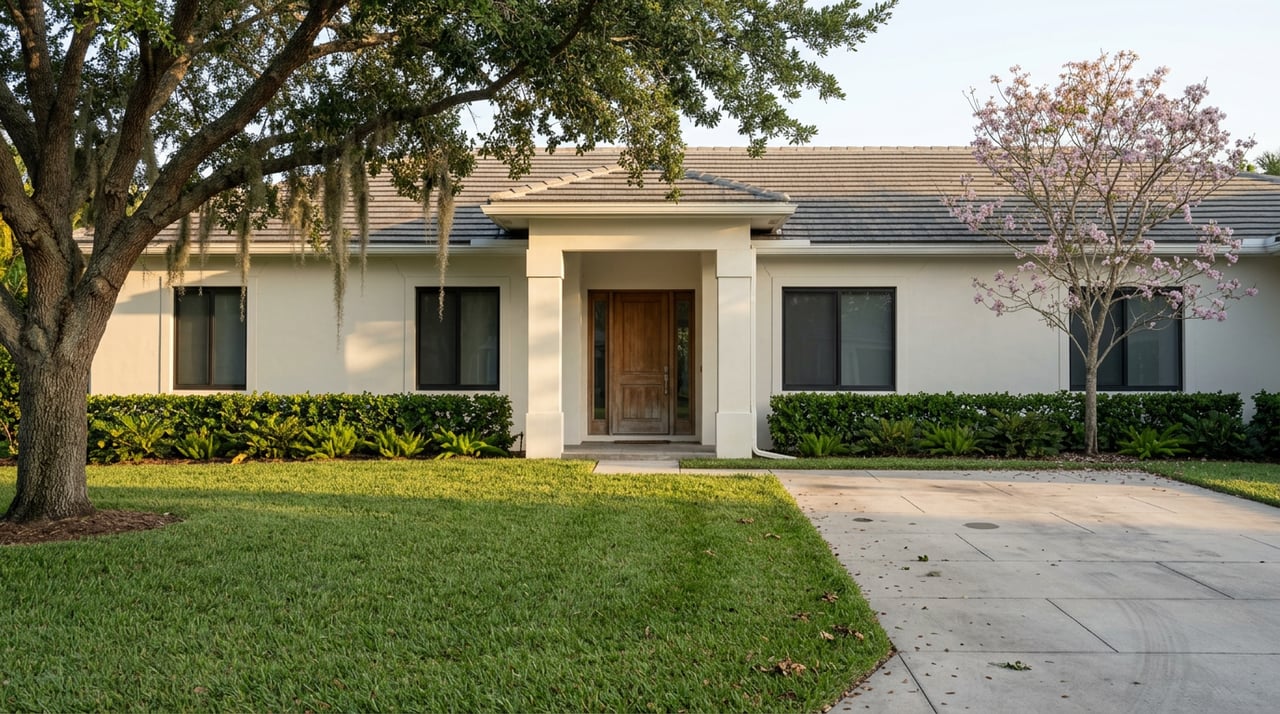
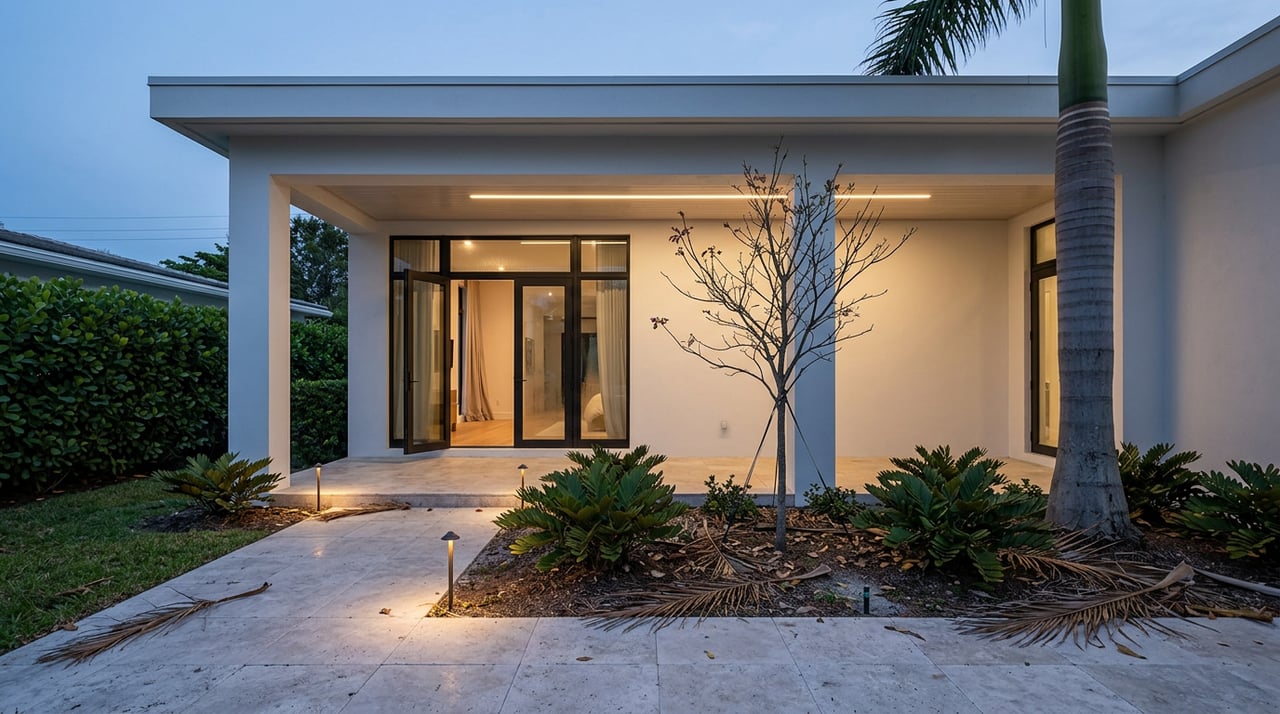
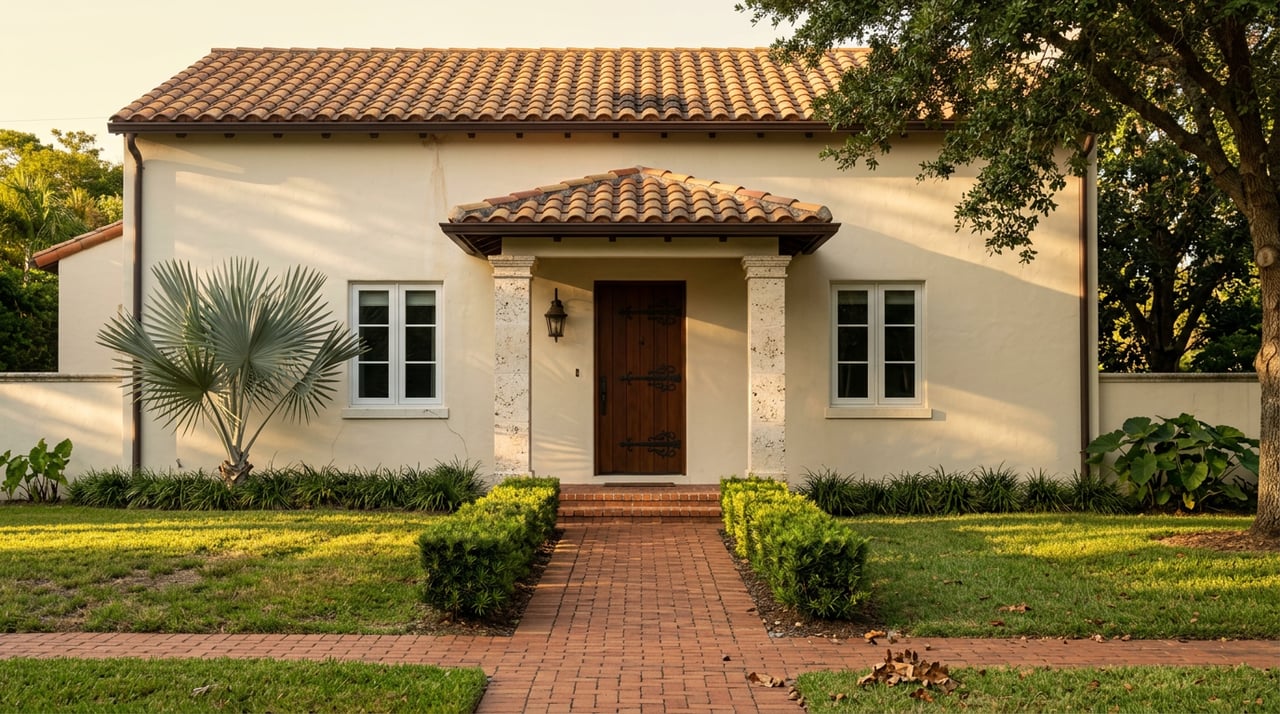
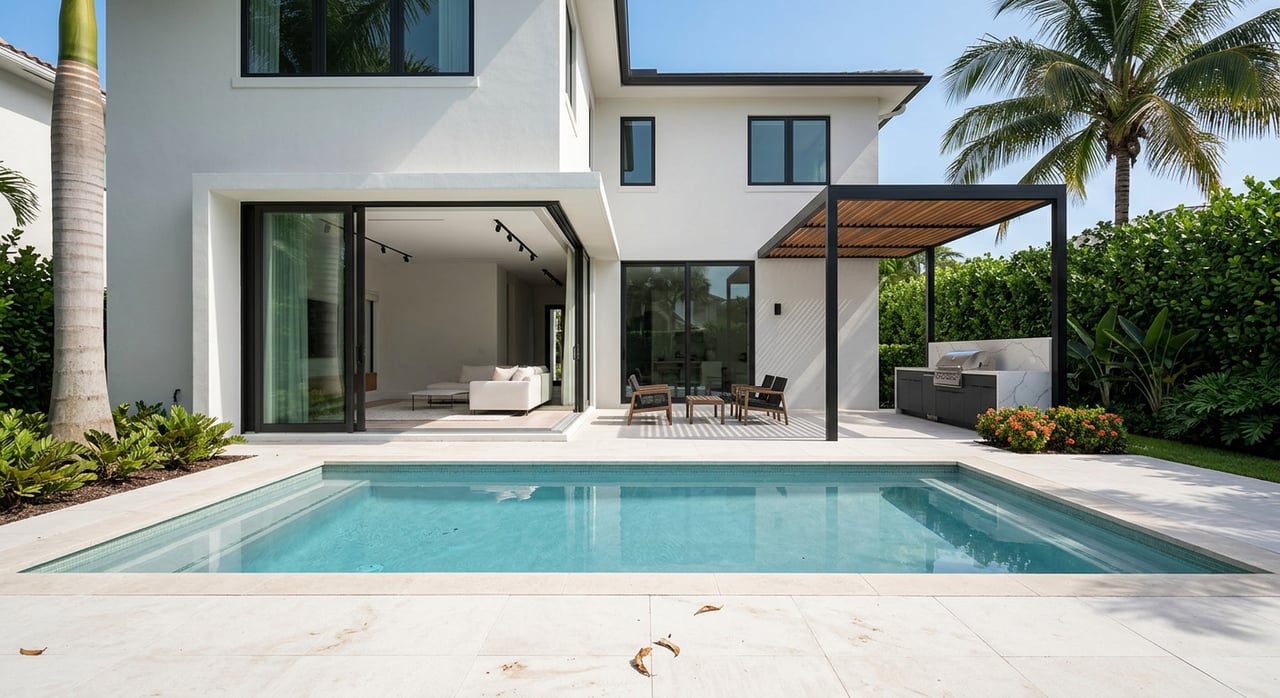
Single‑family homes offer privacy, private entries and outdoor space. Waterfront homes can include docks or seawalls, which add maintenance, permitting and insurance considerations. If you plan renovations or new shoreline work, factor in additional timelines and approvals.
Monthly cost drivers
Plan for the full operating picture before you buy:
- HOA or condo fees and any upcoming assessments.
- Property taxes based on Miami‑Dade and village millage.
- Wind or hurricane insurance plus flood insurance, especially in mapped flood zones.
- Causeway tolls and resident or commuter passes for regular trips.
Market portals and recent listings show different pricing dynamics for condos versus single‑family homes, so structure your budget with these cost lines in mind.
Risks and insurance planning
Flood and wind exposure
Many properties in ZIP 33149 show elevated near‑term flood risk according to market data services that surface First Street indicators on listings. If a home sits in a FEMA Special Flood Hazard Area, lenders generally require flood insurance. During due diligence, review the property’s elevation certificate, flood zone, and any past claims or mitigation upgrades.
Insurance and lender rules
Federally related lenders require flood insurance in mapped Special Flood Hazard Areas, and private wind or hurricane policies are common for coastal properties. Premiums can be a significant recurring expense, so request quotes early in your process. For a plain‑language overview of flood insurance basics, see this NFIP resource.
Hurricane season readiness
Atlantic hurricane season runs from June 1 through November 30. Many owners invest in impact‑rated openings, shutters, backup power and service contracts for faster post‑storm recovery. Track official updates through the National Hurricane Center and keep a plan for vehicles, boats and visitors during peak months.
Second‑home and rental realities
Key Biscayne’s rhythm changes with the seasons. Expect a busier winter and early spring with visitors and second‑home owners, and a quieter summer. This can affect restaurant waits, park usage and service availability. For general timing context, travel resources cite winter as Miami’s peak season, which aligns with local patterns on the island; see a neutral overview of timing in this seasonal guide.
If rental income is part of your plan, know that rules vary. Some associations restrict short‑term rentals under 30 days, while others allow limited terms. Confirm all rental policies with the condo or HOA and the Village before modeling revenue.
Buyer checklist for Key Biscayne
Use this quick list to vet any property:
- Association documents, budgets, reserves and recent minutes if you are buying a condo.
- Flood zone, elevation certificate and any mitigation features like impact windows or raised systems.
- Recent quotes for wind and flood insurance, plus policy history where available.
- Seawall condition, permits and dock rights for waterfront homes.
- Causeway toll plan and visitor or contractor logistics if you will host guests or projects.
- Parking, storage and marina or slip options if boating is a priority.
- Renovation approvals and contractor access rules for your building or street.
Final take
Owning on Key Biscayne feels like living in a polished beach town that sits minutes from Miami’s core. The tradeoffs are clear and manageable when you plan for causeway access, association rules and coastal insurance. If you want walkable island living anchored by world‑class parks and the bay, this village rewards the prepared buyer.
If you would like a confidential, numbers‑driven look at specific buildings or streets, along with private search access and sample operating cost breakdowns, connect with Isaac Malagon - Sotheby's. Schedule a private consultation.
FAQs
How long is the commute from Key Biscayne to Brickell?
- Off‑peak drives are often 10 to 20 minutes, but plan a 10 to 30 minute range to account for causeway traffic and events.
What should I know about Rickenbacker Causeway tolls?
- Miami‑Dade manages tolls and resident or commuter annual plans; review current pricing and pass options in the county’s causeway toll documentation.
Are flood and hurricane risks a big factor on Key Biscayne?
- Yes. Many properties show elevated flood risk and coastal wind exposure, which can affect insurance, financing and long‑term costs; flood insurance is commonly required in FEMA Special Flood Hazard Areas.
What are the main lifestyle anchors on the island?
- Daily life often centers on the beaches and facilities at Crandon Park and Bill Baggs Cape Florida State Park, plus the village’s cafés and shops along Crandon Boulevard.
Is there a public school on Key Biscayne?
- The island has a public K–8 option noted in local reports; high school choices are typically on the mainland or via magnet or private programs, so verify assignments with Miami‑Dade County Public Schools.