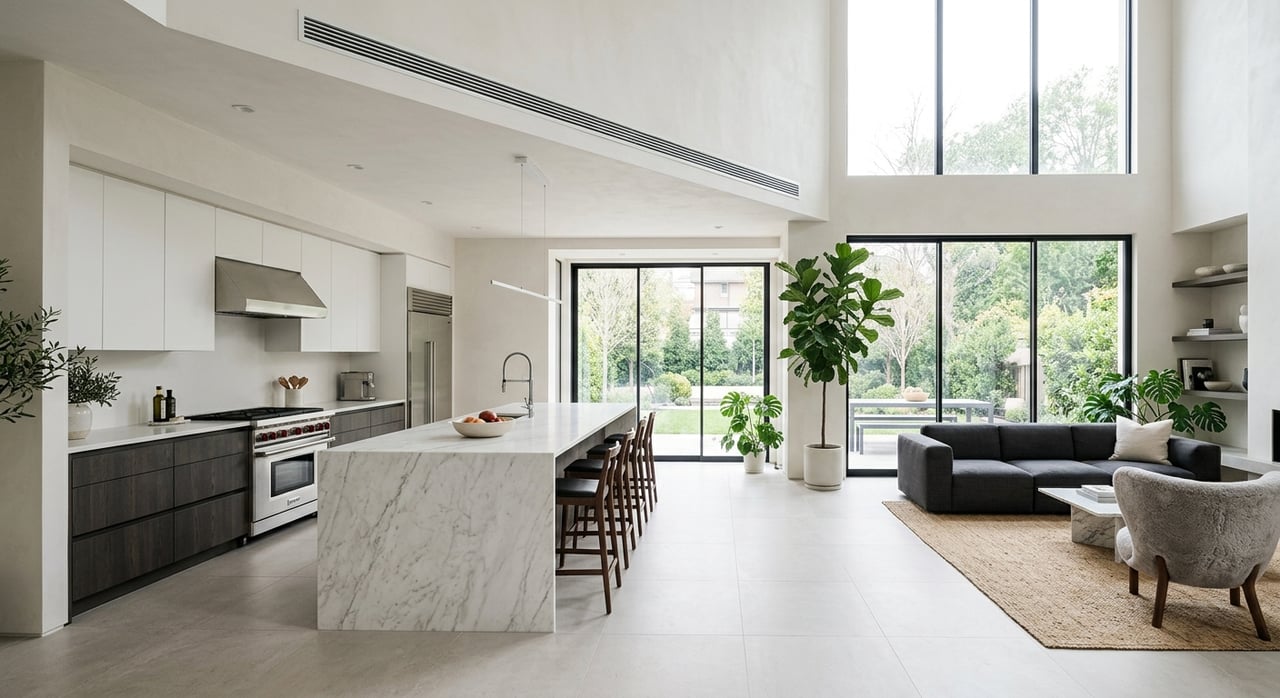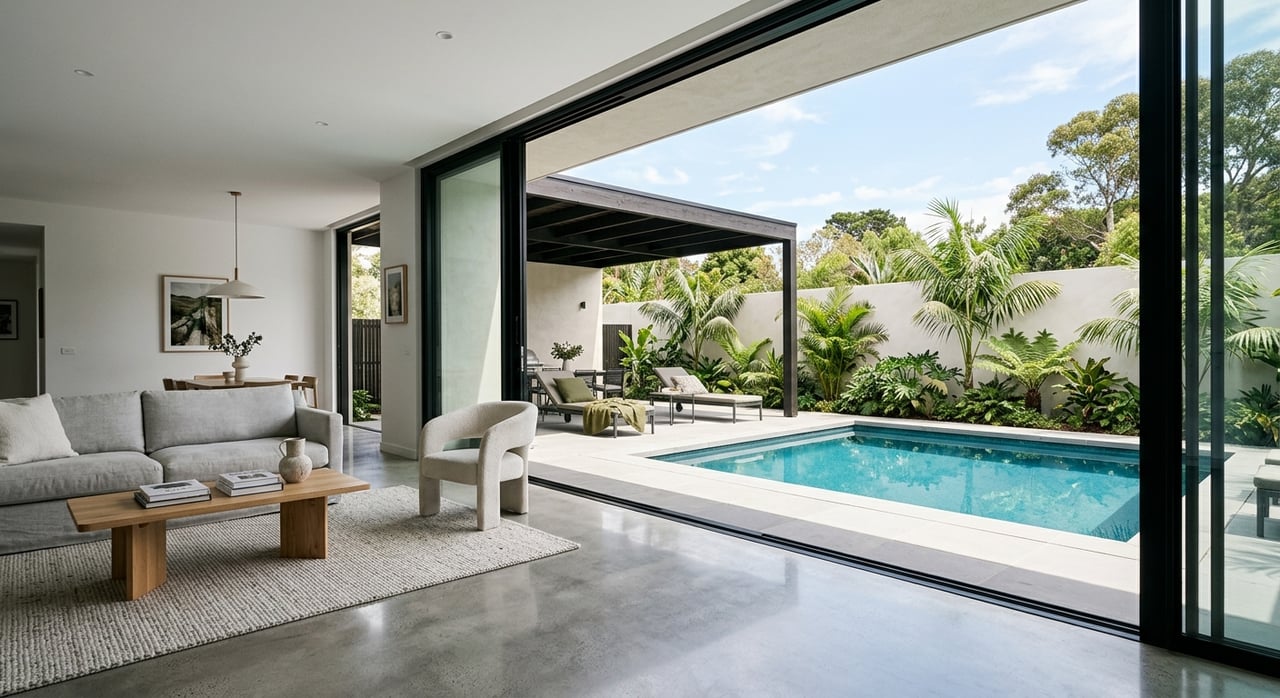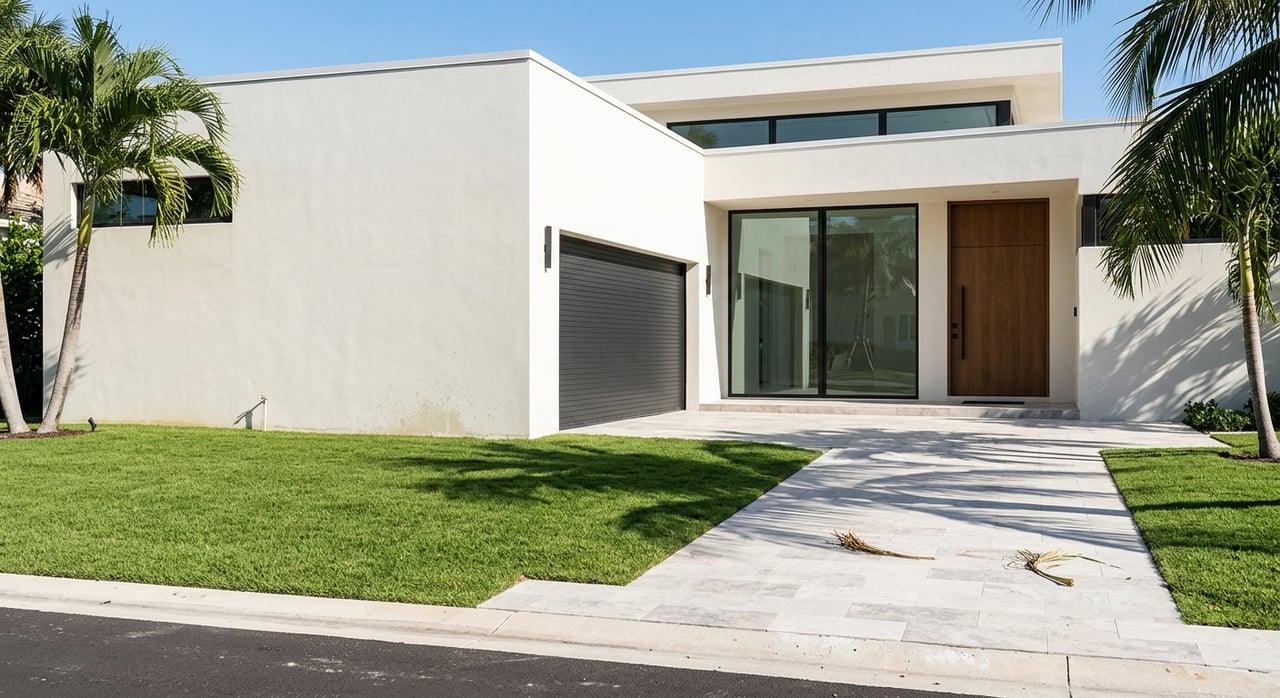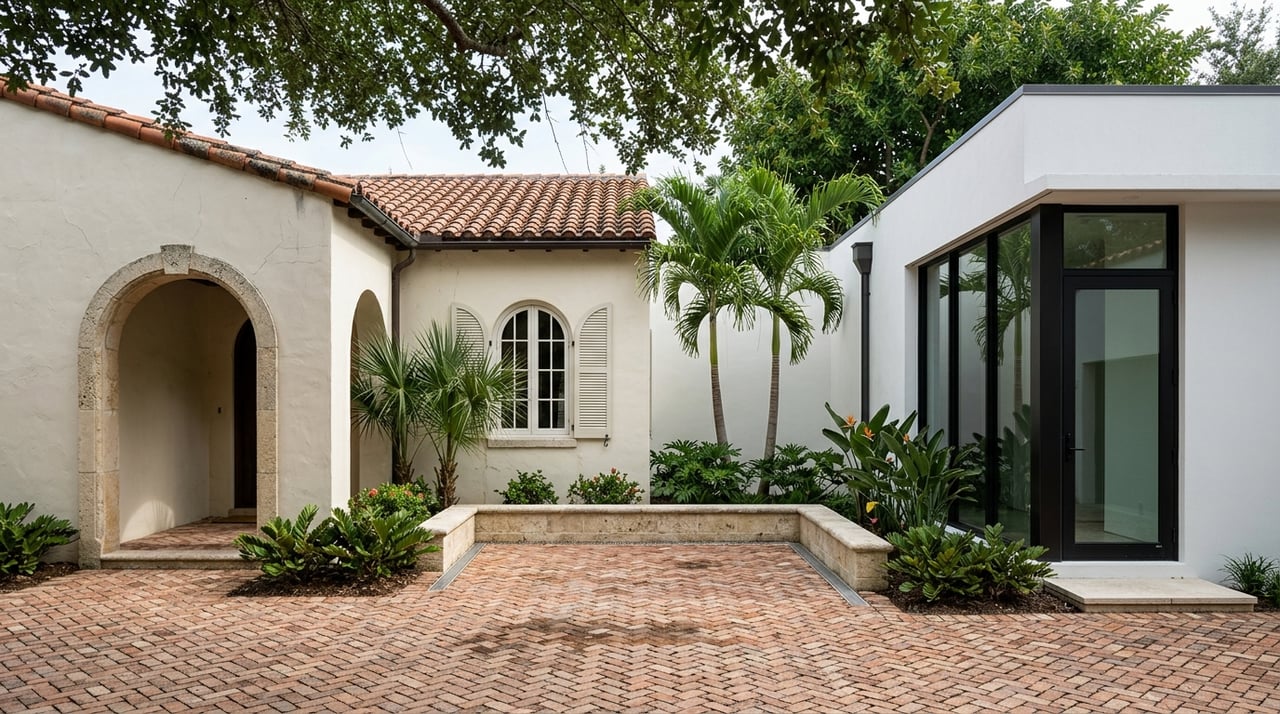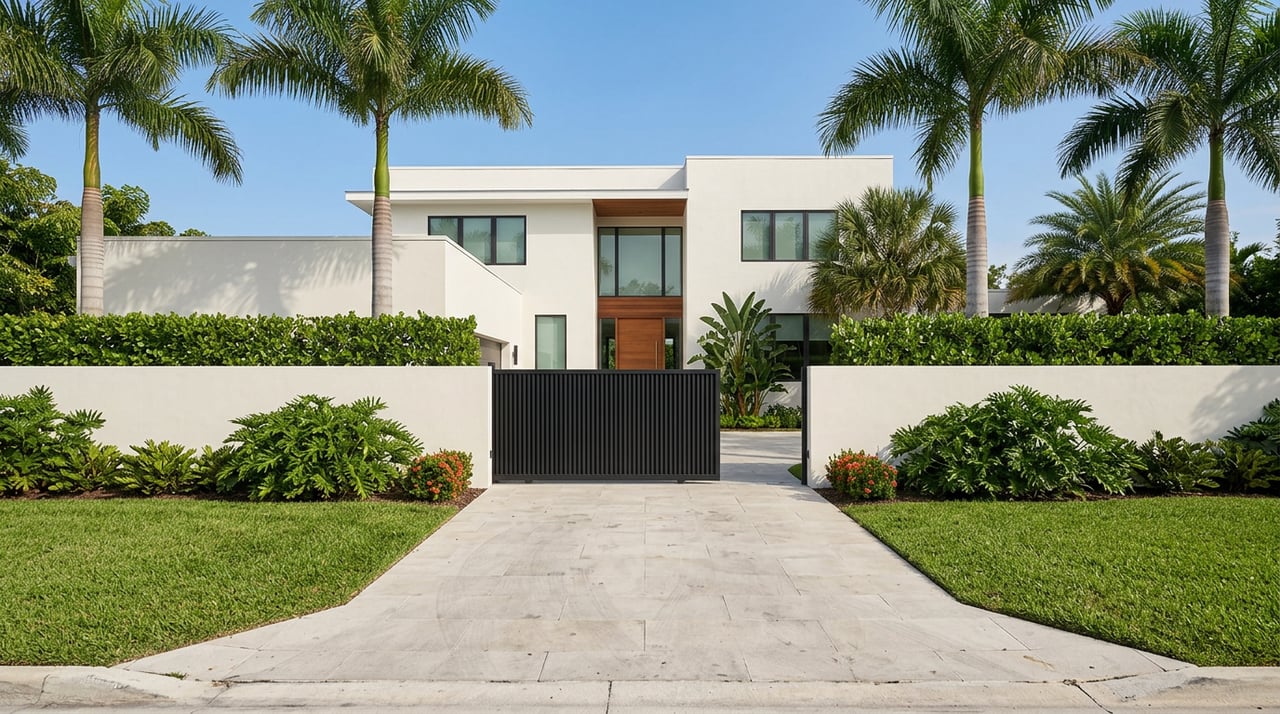
Looking for true estate living in Pinecrest and wondering what “gated” really means here? You are not alone. Between private driveway gates, large lots, and local zoning rules, it can be hard to tell how properties differ and what drives value. In this guide, you will learn how Pinecrest’s acreage works, how to read zoning and setbacks, what permits and surveys to request, and which features push prices higher. Let’s dive in.
Why Pinecrest draws estate buyers
Pinecrest is known for a lush tree canopy, low-density single-family living, and estate-size lots. The Village’s official planning maps confirm the land-use framework that protects this feel, including estate categories that limit density. You can review those official zoning and future land use maps on the Village site to verify a specific parcel’s designation and context at the time you buy. See the Village’s Planning maps and FLUM panels.
Many buyers choose Pinecrest for privacy, larger outdoor space, and quick access to Miami’s business and cultural centers compared with more exurban areas. Commute times vary by destination and time of day, but Pinecrest keeps you within a practical radius while maintaining a calm, suburban setting.
Gated estates: what it means here
Pinecrest is not a town of large, master-planned gated communities. More often, you will see properties with private driveway gates, perimeter walls, and tall hedges. Some small pockets may have an unmanned entrance. Many of these homes list with “no HOA.” When you evaluate a property, clarify if it sits inside a gated HOA or simply has a private gate at the residence. That detail affects rules, fees, and how you manage the property.
Acreage and typical lot sizes
Pinecrest offers a wide range of larger lots. Many neighborhoods include parcels just under half an acre to over a full acre. In high-end pockets such as Helms Country Estates and Suniland Estates, you often see lots around 0.9 to 1.1 acres. Always verify the exact square footage with a current survey or county parcel record. As a quick reference, 1 acre is about 43,560 square feet.
Zoning and buildable area basics
Estate buyers should understand how zoning translates into what you can build. Pinecrest includes residential estate categories such as EU-1 that have historically allowed very low density, often cited in litigation as roughly one home per acre. The practical takeaway is simple. If you plan to redevelop or subdivide, confirm the current zoning and land-use designation for the specific parcel on the Village’s official maps before you rely on any assumptions. Court records and rezoning cases highlight this framework in practice. See an example EU-1 reference in Third District Court of Appeal records.
Setbacks also define your buildable envelope. In recent litigation, Pinecrest’s EU-1 standards were described with a 50-foot front setback and a 25-foot rear setback for a one-story principal structure. The Village can also require right-of-way dedications that reduce the usable footprint. These issues appear in federal case filings tied to local permitting. Review a cited decision that discusses setbacks and dedications in federal court records. Your next step is to request a parcel-level zoning sheet and the Village’s planning comments for any recent permit actions.
Permits, trees, and flood considerations
Large-lot projects in Pinecrest often involve more review. The Village requires plan submissions and specific documents for new builds and major remodels, including signed and sealed surveys, grading and drainage plans, and landscape and tree surveys. Smaller work can be exempt from full site plan review, but changes that alter more than half of a structure or that include major grading typically trigger more oversight. See the Village’s building and permit guide.
Tree protection is a core part of site planning. You will need a current tree survey. Removal usually requires a permit and may come with replacement or mitigation. Factor root-zone protection into your layout and budget. Review requirements on the Village’s permits portal.
If the property has canal frontage, confirm seawall or bulkhead condition and permits for docks or lifts. The Village includes docks and lifts in its site review framework. Learn more on the Site Plan Reviews page.
Flood and stormwater also matter. Pinecrest invests in stormwater projects and enforces finished-floor height rules for major work. Always check the property’s FEMA flood zone, request an elevation certificate, and review any flood insurance claims or improvements. The Village publishes a Floodplain Management progress report with useful context.
What drives price for estates
Several factors shape value in Pinecrest. Focus on these drivers as you assess a property:
- Lot size and usable acreage. Deeper or wider lots near 1 acre carry real premiums and unlock features like guest houses, full-size pools, or courts.
- Street and position. A quiet cul-de-sac, Old Cutler adjacency, and good orientation for privacy and shade can command more.
- Waterfront or canal access. Canal frontage and private docks are scarce and valuable. Seawall condition strongly affects price and insurability.
- Build quality and systems. Roof, HVAC, electrical, pool equipment, and designer or architect pedigree influence both marketability and long-term cost.
- School assignment and neighborhood cachet. Many buyers look for convenient access to nearby public and private schools. Use neutral, factual data when you compare options.
- Regulatory constraints. Setbacks, required dedications, and tree protections reduce buildable area and may limit future plans. These constraints show up often in permitting files and case records. See examples in federal court filings.
Pinecrest vs nearby estate markets
Pinecrest often posts higher median listing prices than many nearby areas because its inventory leans toward larger-lot estates. By contrast, Coral Gables can show higher prices per square foot in select historic pockets, Coconut Grove blends urban access with some waterfront options, and Key Biscayne concentrates more direct beachfront and bay access. The mix is different in each submarket. Since small, high-end sales can skew medians, use parcel-level MLS comps to compare per-acre and per-square-foot values across neighborhoods before you make a move.
Buyer checklist: documents to request
Gather these items early to make a confident decision:
- Signed and sealed ALTA/NSPS survey showing lot area, easements, and measured setbacks. See required documents in the Village’s permit guide.
- Current zoning classification and any pending changes. Confirm on the Planning maps.
- Permit history for additions, pools, seawalls, and major systems. Start with the Village’s permitting resources and seller disclosures.
- Tree survey, plus any tree removal or relocation permits. Review requirements on the permits portal.
- Elevation certificate and flood zone confirmation. See the Village’s Floodplain Management update.
- Seawall or bulkhead inspection and maintenance records for canal or lake lots.
- HOA documents if applicable. Many Pinecrest properties do not have an HOA, so confirm status via title and listing details.
- Property tax bills and homestead status via the county property appraiser.
Quick red flags
- Missing or outdated surveys, or lot area inconsistencies.
- Unpermitted structures, pools, docks, or seawall repairs.
- Significant tree removal without permits.
- High-risk flood designation without an elevation certificate or recent mitigation.
How to evaluate a specific lot
Use a simple order of operations:
- Confirm the exact lot area and boundaries with a current signed and sealed survey.
- Check the current zoning and future land-use designation on the Village’s planning maps.
- Map setbacks, easements, and any required right-of-way dedications to find the buildable envelope.
- Overlay tree surveys and root zones. Plan for required preservation and mitigation.
- Verify FEMA flood zone and the elevation certificate. Confirm stormwater and grading constraints.
- If waterfront, inspect the seawall and confirm permits for docks or lifts.
- Confirm whether an HOA exists and review any CC&Rs if applicable.
- Review permit history and engage the Village early if you plan a major remodel or rebuild.
Next steps
When you are serious about a Pinecrest estate, precision matters. Verify zoning and land-use on the Village maps, pull permits and surveys, and pressure-test the buildable area against your design goals. If you want a second set of eyes or a disciplined valuation, reach out for a private, advisory-first consultation. For discreet guidance, curated on and off-market access, and a clear plan from first tour to close, connect with Isaac Malagon - Sotheby’s.
FAQs
What does “gated” usually mean for Pinecrest homes?
- Most Pinecrest estates have private driveway gates or hedges rather than being inside large, guarded HOA communities. Always verify whether there is an actual HOA or simply a private gate.
How large are typical Pinecrest estate lots?
- Many lots range from just under half an acre to over one acre, with high-end pockets often around 0.9 to 1.1 acres. Confirm exact area with a current survey.
Can I subdivide a one-acre Pinecrest lot?
- Pinecrest includes estate zoning such as EU-1 that has been described as very low density in case records, so always verify current zoning and subdivision rules on the Village’s Planning maps before you plan to split a parcel.
What permits are required for a Pinecrest new build or major remodel?
- The Village typically requires a signed and sealed survey, grading and drainage plans, and tree surveys, with broader review when changing more than half the structure. See the permit guide.
How does flood risk affect Pinecrest estates near canals?
- Flood zones and elevation drive design and insurance. Ask for the elevation certificate and review the Village’s Floodplain Management progress report for current standards.
What adds the most value to Pinecrest acreage?
- Larger usable lots, quiet positioning, waterfront with sound seawalls, high-caliber construction and systems, and a clean permit and tree history tend to command the strongest premiums.