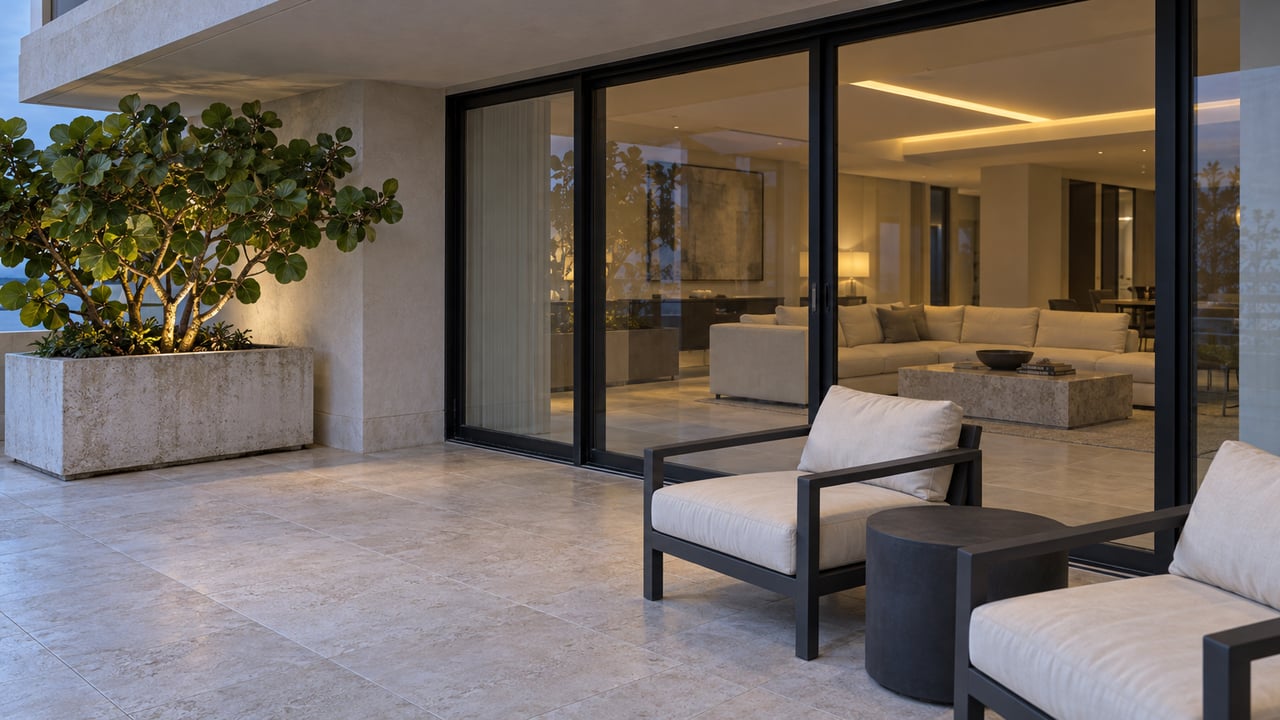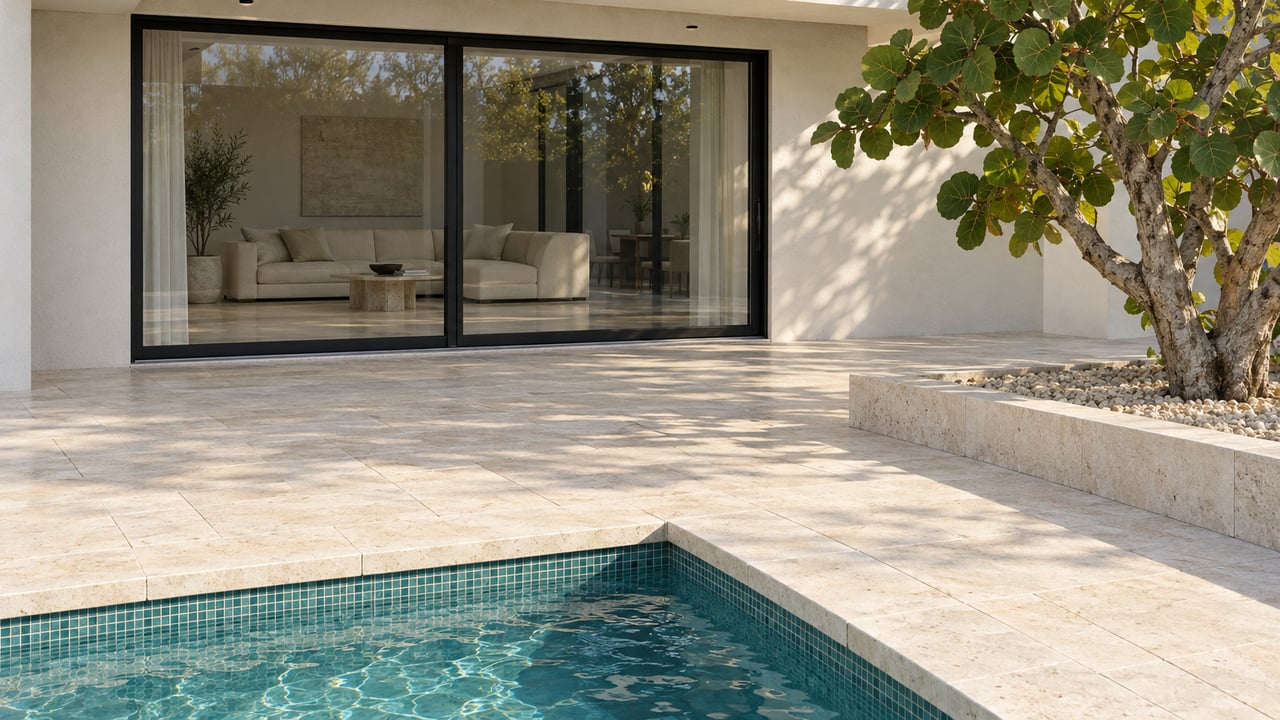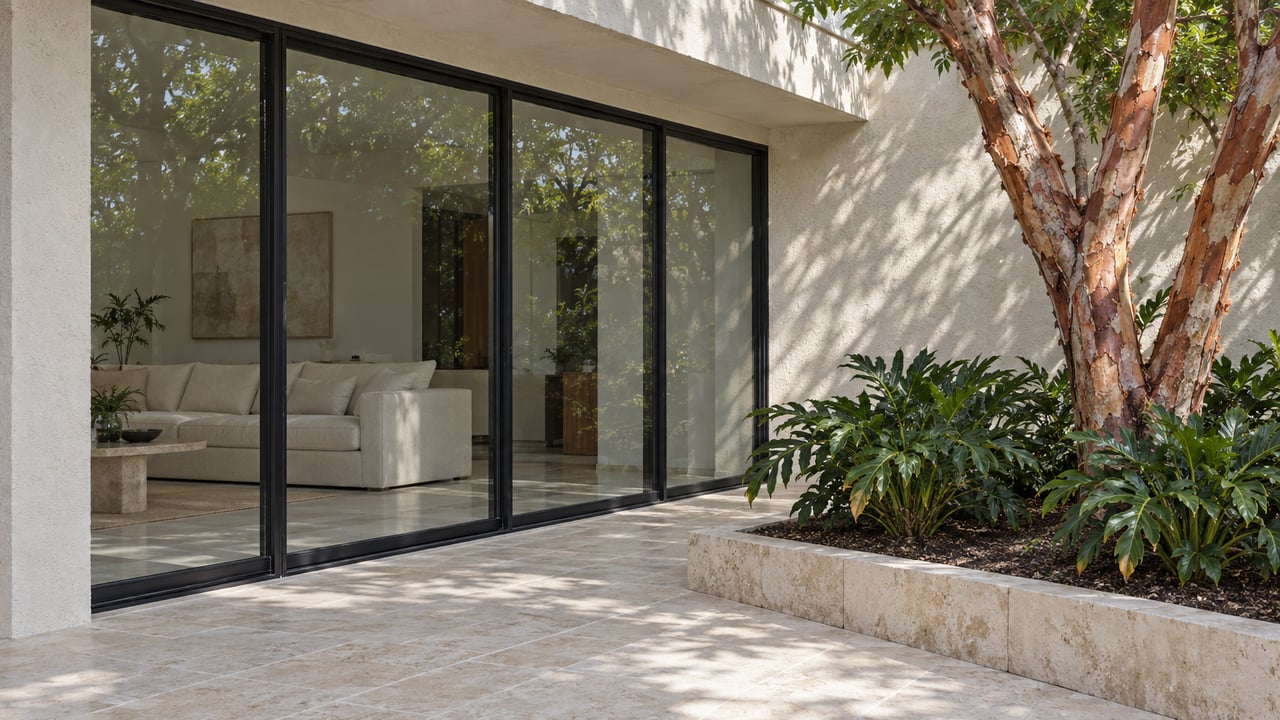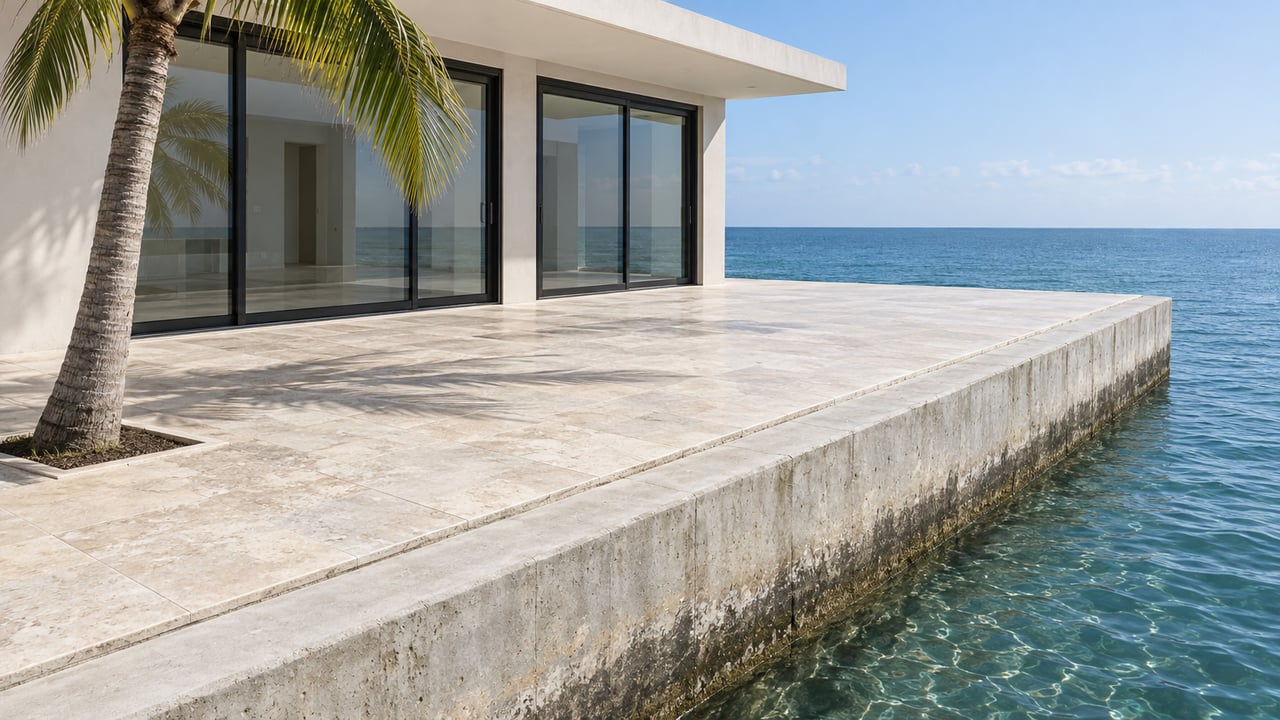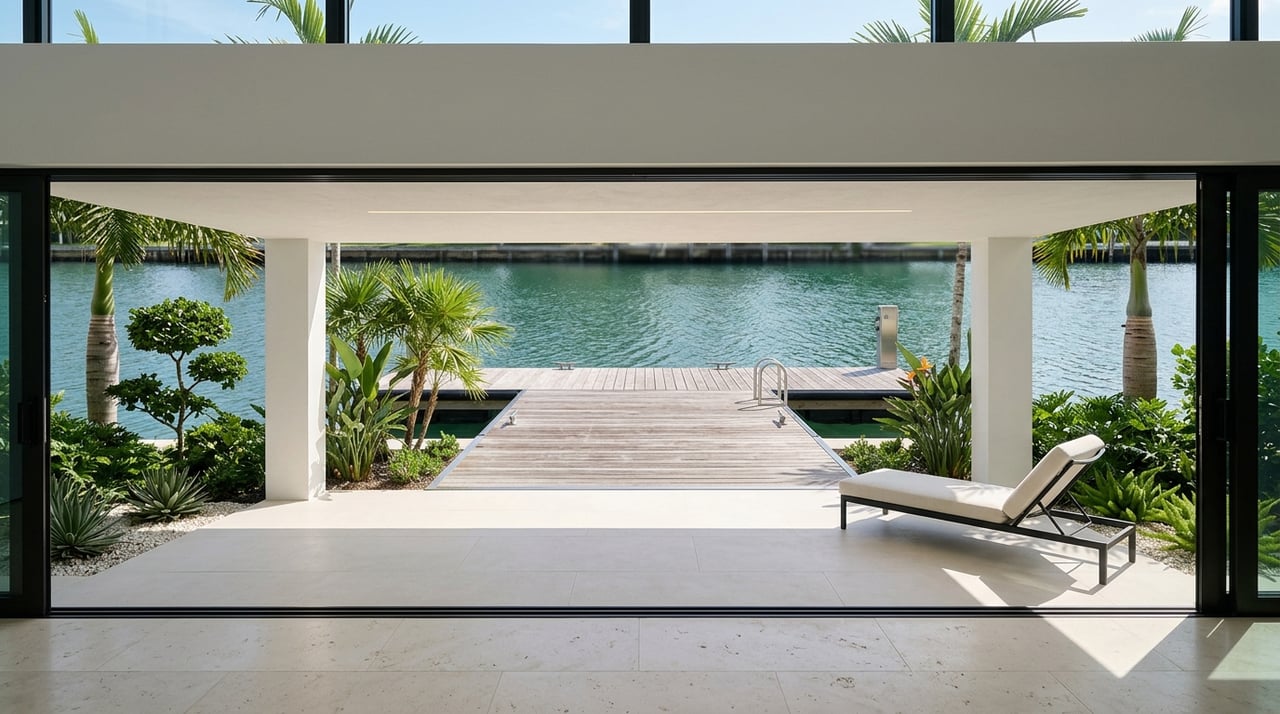
Finding the right waterfront estate in Coral Gables is not just about the view or the dock behind the house. You are weighing boating access, flood exposure, architectural context, permit history, and community rules, often all at once. If you want to move with confidence in this market, it helps to understand how each enclave functions before you make an offer. Let’s dive in.
Why Coral Gables Waterfront Is Different
Coral Gables has more than 42 miles of scenic shoreline, which gives buyers a wide range of waterfront options, from deep-water canal estates to bay-adjacent homes and lakefront settings. At the same time, the city notes that it is especially susceptible to flooding from major rain events and storm surge because it sits close to sea level with groundwater just below the surface. That means waterfront value here is tied to both lifestyle and infrastructure. You can explore the city’s waterfront context and waterways resources through Coral Gables waterway information.
Coral Gables also has a strong architectural identity. The city’s official framework continues to emphasize a Mediterranean design tradition, and its preservation efforts help protect structures and landscapes that define the area’s heritage. For you as a buyer, that means a waterfront home is rarely judged on size alone. It is also judged on how it fits within the broader character of Coral Gables, as outlined in the city’s Mediterranean design guidance.
Key Waterfront Enclaves
Gables Estates
If your priority is maximum privacy and deep-water canal access, Gables Estates stands out quickly. The community includes 192 lots, wide deep-water sea-walled canals, and a membership requirement before purchase, according to the Gables Estates Club. The HOA also states that it provides 24-hour security and requires approval for exterior paint, major renovations, and landscape changes.
For buyers, that structure can be a benefit if you value consistency, privacy, and control. It can also shape your timeline and renovation plans, since approvals are part of ownership from the start. In practical terms, this is one of Coral Gables’ clearest deep-water estate plays.
Islands of Cocoplum and Tahiti Beach
If you are drawn to a private-club environment and a marina-centered lifestyle, Islands of Cocoplum and Tahiti Beach deserve close attention. The Islands of Cocoplum describe 302 island estates, including 172 waterfront residences, while the private club is limited to residents of Islands of Cocoplum and Tahiti Beach. Cocoplum Yacht Club also describes itself as a fully staffed private marina with almost 200 slips and 24/7 gated security.
This submarket often appeals to buyers who want boating access paired with a more resort-like ownership experience. If amenities, club structure, and marina convenience matter as much as the home itself, this area may be a strong fit.
Kings Bay
Kings Bay offers a different feel. Based on Kings Bay HOA information, residents may use the waterfront along Permit Drive, the boat ramp, the service dock, and guest slips, with overnight docking permitted for up to two consecutive nights at no charge. Owners also have 24-hour access while their boats are in the water or moored.
That makes Kings Bay useful for buyers who want boating access without the feel of a fully insulated estate compound. If you prefer a neighborhood-oriented setting with practical marine access, Kings Bay may offer the balance you are looking for.
Snapper Creek Lakes
Snapper Creek Lakes is a secured gated community with 124 lots, including 30 lakefront lots and six homes with direct Biscayne Bay access, according to the Snapper Creek Lakes Club. The community also has a formal membership process with a 45-day minimum processing period, a nonrefundable application fee, an architectural fee, an interview requirement, and an oak tree landscape survey.
That approval structure matters. If you are considering this enclave, you should price in not just the property itself, but also the timing, process, and administrative requirements that come with ownership.
Sunrise Harbour and Bay-Adjacent Areas
In Sunrise Harbour and similar bay-adjacent pockets, the lifestyle appeal is clear, but so is the need for more infrastructure diligence. The city’s Sunrise Harbour drainage assessment highlights project boundaries tied to stormwater and high-tide impacts.
For you, that means a bay-adjacent address should prompt a closer look at drainage conditions, maintenance exposure, and nearby public works activity. These homes can be compelling, but they reward buyers who ask the right questions early.
Match the Area to Your Priorities
Not every waterfront buyer wants the same thing. In Coral Gables, the best fit often depends on how you rank privacy, boating, approvals, and long-term upkeep.
Here is a simple way to think about it:
- Maximum privacy and deep-water canal prestige: Gables Estates
- Marina-centered lifestyle and private-club amenities: Islands of Cocoplum and Tahiti Beach
- Neighborhood-scale boating access: Kings Bay
- Lower density with structured approvals: Snapper Creek Lakes
- Bay-adjacent living with added drainage scrutiny: Sunrise Harbour
If you are still deciding how much private dock access you truly need, Matheson Hammock Park & Marina can serve as a useful benchmark. It offers a full-service marina, a boat ramp, and boating-related services, which can help frame whether a deeded private dock is essential for your lifestyle.
Verify These Before You Make an Offer
Check Flood Maps and Insurance Early
In Coral Gables, this step is essential. FEMA advises buyers to review an address through the Flood Map Service Center, where you can access the applicable FIRM or FIRMette. FEMA also notes that standard homeowners insurance usually does not cover flood damage, and flood insurance policies may have a 30-day waiting period unless coverage is lender-mandated or linked to a map change.
You should also ask the seller for any elevation information and available flood history. In a low-lying waterfront market, these details can influence both risk and monthly carrying cost.
Review Dock and Seawall Permit History
A dock that looks serviceable is not the same thing as a dock with clean permit history. Miami-Dade marine facilities rules require a Class I permit before work in, on, over, or upon tidal waters or coastal wetlands, including many dock, seawall, boatlift, davit, mooring, and mangrove-related improvements. Coral Gables also includes seawalls, bulkheads, docks, and decks among permit categories in its local permit system.
This is why permit history should sit alongside physical inspection in your diligence process. If major waterfront improvements were completed without proper approvals, future repairs or modifications can become more complicated and more expensive.
Understand HOA and Club Approval Rules
Some of Coral Gables’ most desirable waterfront communities come with meaningful approval structures. In Gables Estates, membership is required before you can purchase. In Snapper Creek Lakes, the process includes fees, interview requirements, and sponsor references. In Cocoplum, private club access is tied to residency within specific communities.
These details affect more than lifestyle. They can also affect closing timing, renovation flexibility, and your total ownership cost from day one.
Ask About City Infrastructure Projects
Coral Gables is in the middle of a septic-to-sewer conversion program, with scheduled basin meetings that include areas such as Snapper Creek and Kings Bay. Combined with drainage work in places like Sunrise Harbour, this means you should confirm whether a property falls within a current or planned infrastructure project area.
That information matters because it can affect convenience, future budgeting, and your expectations for the property over time. A well-advised waterfront purchase looks beyond the lot line.
Think in Total Ownership Cost
Two homes with similar asking prices can have very different ownership profiles. Waterfront real estate often brings added layers such as association assessments, membership fees, application costs, architectural review fees, flood insurance, and marine or drainage-related maintenance. The Gables Estates Club overview is one example of how community structure can shape ongoing costs.
If you are evaluating value at this level, focus on the full cost of ownership, not just headline pricing. That is often where better decisions are made.
Confidence Comes From Better Diligence
Coral Gables waterfront estates can be extraordinary, but they reward precision. The right purchase is not simply the home with the longest water view or the grandest arrival. It is the property that aligns with how you want to live, how you want to boat, and how much complexity you are prepared to manage over time.
With disciplined due diligence, you can narrow the market faster and avoid expensive surprises. If you want discreet guidance on Coral Gables waterfront opportunities, connect with Isaac Malagon - Sotheby's to schedule a private consultation.
FAQs
What makes Coral Gables waterfront homes different from other Miami luxury properties?
- Coral Gables combines boating access and shoreline appeal with a strong Mediterranean architectural identity, preservation-minded oversight, and important flood and infrastructure considerations.
Which Coral Gables waterfront communities require approval before purchase?
- Gables Estates requires membership before purchase, and Snapper Creek Lakes has a formal membership process with fees, timing requirements, and an interview.
Which Coral Gables areas may fit buyers who want boating access with a neighborhood feel?
- Kings Bay is a strong reference point for buyers who want boating access, shared marine amenities, and a more neighborhood-oriented setting.
Why should Coral Gables waterfront buyers review flood maps before making an offer?
- Flood maps, elevation information, and flood insurance timing can affect risk, lender requirements, and total monthly ownership cost.
Why do dock and seawall permits matter for Coral Gables waterfront estates?
- Permit history can affect whether past waterfront improvements were compliant and whether future repairs, upgrades, or replacements may be more complex or costly.