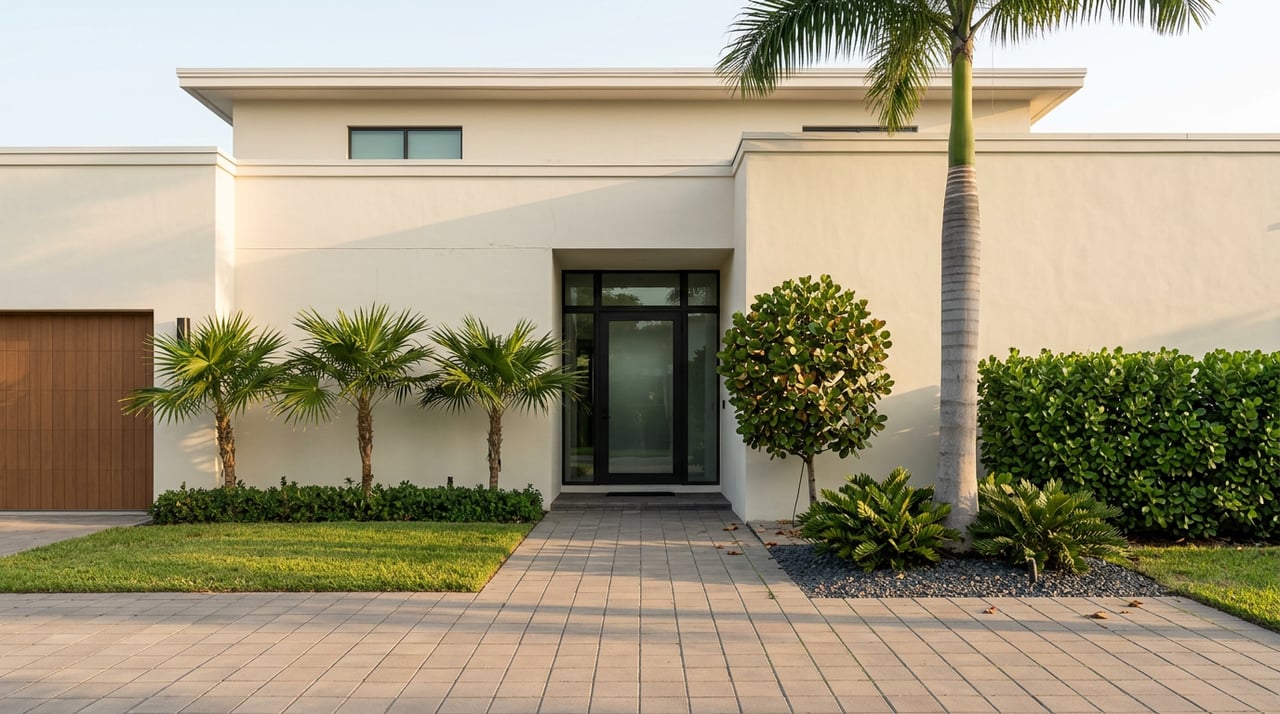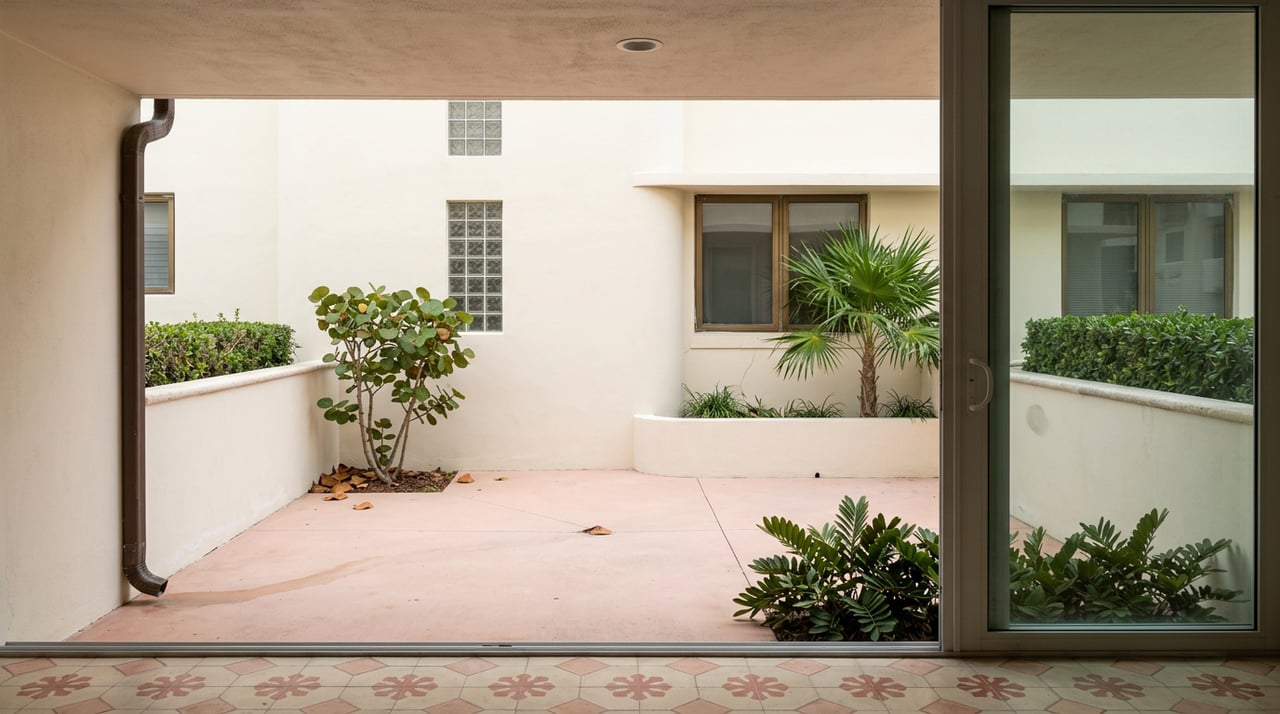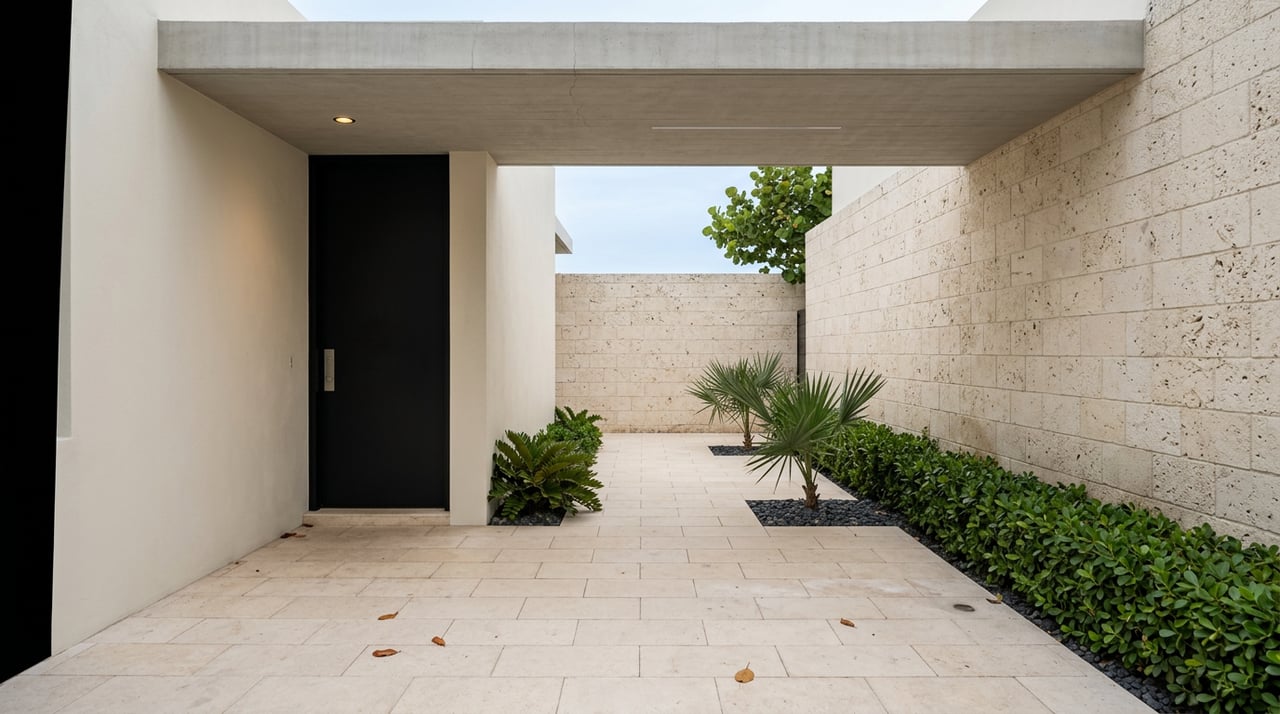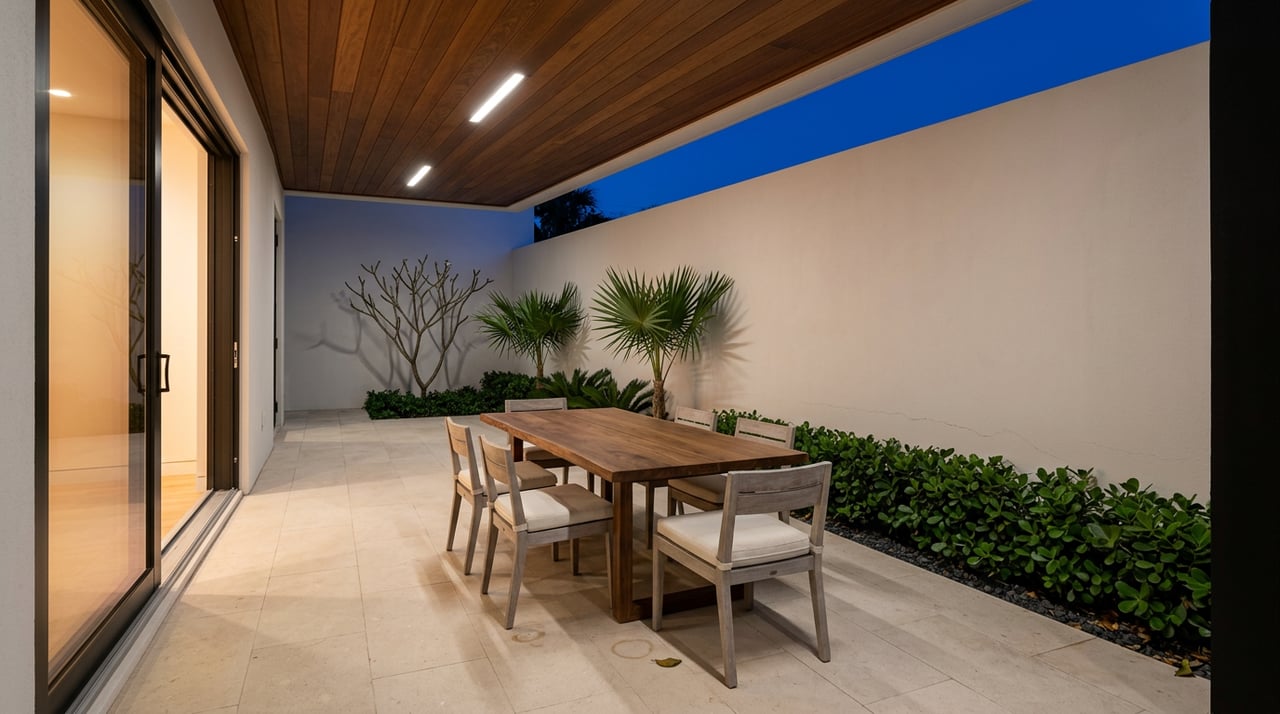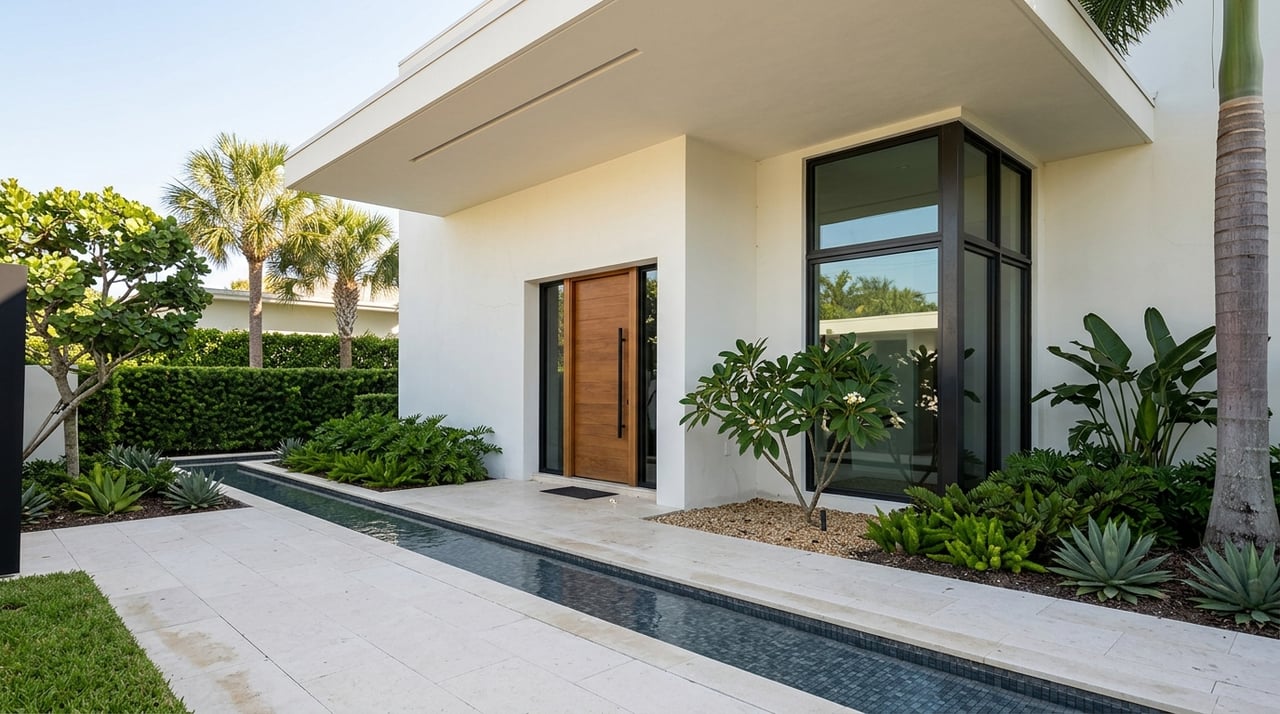
If you are selling a trophy home in Miami Beach, you are not entering a normal resale market. You are stepping into a narrow, highly scrutinized segment where pricing, presentation, confidentiality, and buyer targeting all carry outsized weight. The right strategy can protect your time, privacy, and net proceeds, so let’s dive in.
Miami Beach Is Not One Market
One of the biggest mistakes sellers make is treating Miami Beach like a single pricing environment. It is not. According to the Q4 2025 Elliman report for Miami Beach and the Barrier Islands, the overall median sale price was $745,000, while the single-family median reached $3.65 million.
The separation becomes even more dramatic at the top. That same report shows the luxury single-family median at $17.5 million and the luxury condo median at $5.1375 million. If your property is a waterfront estate, a penthouse, or another one-of-one residence, broad market averages will not tell you what your home is worth.
The ultra-high-end tier is even more distinct. In its 2025 threshold report, MIAMI REALTORS reported that Miami Beach’s single-family luxury threshold was $27.5 million and the uber-luxury threshold was $45.6 million. That is why a true trophy home should be positioned as a micro-market asset, not simply a larger version of a conventional luxury listing.
Trophy Buyers Are Often Global
A Miami Beach trophy home rarely competes for only local attention. Your likely buyer may be based in Latin America, Europe, Canada, New York, California, or New Jersey. In many cases, that buyer is comparing Miami Beach not just to nearby neighborhoods, but to other global lifestyle markets.
That matters because Miami remains the top U.S. destination for foreign home buyers. MIAMI REALTORS reported that foreign buyers accounted for 15% of South Florida residential dollar volume in 2025, compared with 2% nationally. The same report found that foreign buyers purchased $4.4 billion in South Florida residential property, and 51% of those international transactions were all-cash.
For sellers, this changes the playbook. Your best buyer may not need financing, may have seen Florida only once or twice, and may be making a decision based on confidence, turnkey condition, and global brand visibility rather than neighborhood-level familiarity. MIAMI REALTORS also found that 69% of Miami global buyers lived abroad and 66% had visited Florida two times or fewer before buying.
Cash Buyers Move Differently
When a large share of the buyer pool is cash-heavy, the transaction often moves on a compressed decision cycle. Buyers can act quickly, but they are also selective. They expect clean documentation, a polished presentation, and a controlled showing experience.
This dynamic is especially relevant for high-end condos and penthouses. MIAMI REALTORS reported that 82% of Miami condo sales priced at $1 million and above were all-cash in 2025. If you are selling in that segment, your listing needs to be fully prepared before it reaches the market because serious buyers are often ready to evaluate and move fast.
Pricing Must Be Micro-Market Specific
Precision starts with valuation. In a trophy segment with limited comparable sales, pricing should never rely on broad headlines or general Miami Beach averages. The comp set has to be narrow and property-specific.
The reason is simple. The Elliman report shows there were only nine luxury single-family closings in Miami Beach and the Barrier Islands in Q4 2025. In a market this thin, small changes in waterfront orientation, lot size, dockage, skyline view, renovation level, privacy, and architectural pedigree can materially change value.
A waterfront estate on a premier street does not price the same way as a renovated non-waterfront home, even if both are expensive. A penthouse with turnkey interiors and a dramatic view corridor does not compete the same way as a large but dated unit. Trophy valuation is less about broad averages and more about identifying where your property fits in a very specific hierarchy.
Day-One Pricing Protects Leverage
Overpricing can be costly in this segment because the market is selective and buyers are well-informed. Once a trophy listing sits too long, buyers often interpret that as weakness and negotiate more aggressively.
That is already visible in the data. The Q4 2025 Elliman report shows luxury single-family homes in Miami Beach and the Barrier Islands averaged 251 days on market with an 11.0% listing discount from the last asking price. Luxury condos averaged 140 days on market with a 4.3% listing discount.
That does not mean trophy properties cannot command strong pricing. It means pricing discipline matters from the start. When your launch price aligns with the real buyer pool and the property enters the market fully prepared, you are better positioned to protect both momentum and final net proceeds.
Presentation Is a Value Driver
In the trophy segment, marketing materials are not decoration. They are part of the asset’s perceived value. A buyer shopping at this level expects a listing to look and feel like a collectible offering.
Sotheby’s International Realty emphasizes premium visual presentation through assets such as professional photography, high-definition video, drone footage, virtual tours, virtual staging, and custom-designed marketing materials, as reflected in its sell-with-us luxury marketing approach. For a Miami Beach trophy home, that means your property should be launch-ready in both condition and media before broad exposure begins.
This is where precision matters. If your home needs touch-ups, documentation, landscaping refinement, lighting adjustments, or a tighter narrative around architecture and lifestyle, those details should be handled before the listing goes live. In a market shaped by visual first impressions and international outreach, the opening presentation can influence the entire negotiation arc.
Global Reach Matters in Miami Beach
A local sign and standard MLS exposure are rarely enough for a Miami Beach trophy property. The buyer pool is too global and too fragmented. Effective distribution should reach both local qualified buyers and cross-border wealth.
That is one reason the Sotheby’s network is so relevant in this market. According to Sotheby’s International Realty, the brand has more than 1,100 offices across 86 countries and territories, around 42 million website visits in 2025, and nearly $7 billion in global referrals. Its website is also available in 14 languages and dialects.
For sellers, that kind of distribution supports a smarter strategy. Your buyer may come through a local relationship, a referral from abroad, digital exposure, or a luxury-media touchpoint. In a market where Miami Beach leads Miami-Dade in $10 million-plus sales, global reach is not a luxury add-on. It is often central to the outcome.
Confidentiality Should Be Structured
Many trophy-home sellers care as much about discretion as they do about price. That is especially true for high-profile owners, private families, and sellers testing pricing without wanting unnecessary market exposure.
Because the buyer pool is often cash-heavy and fast-moving, a controlled process can be more effective than a broad one. That means buyer vetting, proof of funds, scheduled private showings, and disciplined communication. In the luxury tier, certainty of execution matters as much as interest volume.
For some properties, broad public exposure may be the right move. For others, a more discreet strategy may better protect privacy and negotiating leverage. The key is that the process should be intentional, not improvised.
Waterfront Sellers Need Flood Readiness
If your trophy property is on the water, buyers will likely ask detailed questions about resilience and risk. In Miami Beach, this is no longer a side issue. It is part of the sale package.
The City of Miami Beach notes that many areas are considered moderate to high flood risk, and FEMA’s Flood Map Service Center is the official source for flood-hazard maps. The city also states that A and V zones fall within mandatory insurance zones and has identified more than 67,000 assets as vulnerable to flooding in its sea-level rise adaptation planning.
That means sellers should be prepared with clear information where applicable, including elevation, flood insurance history, drainage improvements, seawall or dock condition, and any resilience work already completed. Being prepared does not eliminate scrutiny, but it helps build confidence and reduce avoidable hesitation.
Condo Trophy Sales Need Full Building Documentation
If you are selling a penthouse or another high-end condominium residence, building transparency is now essential. Florida’s condominium safety laws have made documentation a major part of due diligence.
Under Florida Statutes section 553.899, milestone inspections apply to condominium and cooperative buildings that are three habitable stories or more, and structural integrity reserve studies must be completed at least every 10 years for applicable buildings. The law also requires certain sale contracts after December 31, 2024 to disclose whether the association has completed the required inspection or study and to provide the relevant documents to buyers before execution.
This affects both buyer confidence and deal structure. MIAMI REALTORS also noted that only 0.9% of South Florida condo buildings are FHA approved and that Florida requires a 25% down payment for a limited review if a condo building does not have enough reserves, according to its March 2026 market update. Even in a cash-heavy market, buyers still examine budgets, reserves, inspection status, and future assessments very closely.
Negotiation Wins Happen Before Offers Arrive
In trophy sales, negotiation starts long before the first contract is written. It begins with pricing, preparation, documentation, and the way the property is introduced to the market.
A strong process can create confidence and reduce friction. A weak process can lead to drawn-out due diligence, preventable retrades, and more pressure on price. In a market where the broader luxury segment still shows momentum but supply remains meaningful, sellers benefit from a measured, data-driven approach.
MIAMI REALTORS reported that Miami-Dade home sales rose 9.6% year over year in February 2026, while sales of Miami properties priced at $5 million and above rose 11%. At the same time, there were 6.2 months of supply for single-family homes and 13.4 months for condos, which reinforces that this is a selective market where precision and patience often outperform urgency and noise.
Selling a Trophy Home Requires More Than Exposure
A Miami Beach trophy home sits at the intersection of art, capital, privacy, and global demand. It should be valued carefully, prepared thoughtfully, marketed intentionally, and negotiated with discipline. In this category, strong execution is not just helpful. It is often the difference between a listing that lingers and a sale that closes on your terms.
If you are preparing to sell a waterfront estate, penthouse, or other high-value property in Miami Beach, a discreet and data-driven strategy can help you move with confidence. To start that conversation, Isaac Malagon - Sotheby's offers private, consultative guidance tailored to Miami’s trophy market.
FAQs
What defines a trophy home in Miami Beach?
- In Miami Beach, a trophy home is typically a highly distinctive luxury property such as a premier waterfront estate, architecturally significant residence, or exceptional penthouse that competes in a narrow ultra-high-end segment rather than the broader market.
How long does it take to sell a Miami Beach luxury home?
- According to the Q4 2025 Elliman report, luxury single-family homes in Miami Beach and the Barrier Islands averaged 251 days on market, while luxury condos averaged 140 days, though timing varies by pricing, presentation, and property type.
Why is pricing a Miami Beach trophy property so difficult?
- Pricing is complex because the luxury segment has limited comparable sales and value can shift significantly based on factors like waterfront location, lot size, dockage, views, renovation quality, and privacy.
What documents should sellers prepare for a Miami Beach condo trophy listing?
- Sellers should be ready to provide association budgets, reserve information, milestone inspection status, structural integrity reserve study details if applicable, and other required disclosures that buyers may need before contract execution.
Why does global marketing matter when selling a Miami Beach trophy home?
- Global marketing matters because Miami attracts international and out-of-state buyers, many of whom purchase in cash and may discover properties through referral networks, multilingual websites, and luxury media exposure rather than local channels alone.
What flood-related information should a Miami Beach waterfront seller expect to discuss?
- Waterfront sellers should be prepared to address flood zone context, insurance requirements where applicable, elevation, drainage, seawall or dock condition, and any resilience improvements that may affect buyer confidence.