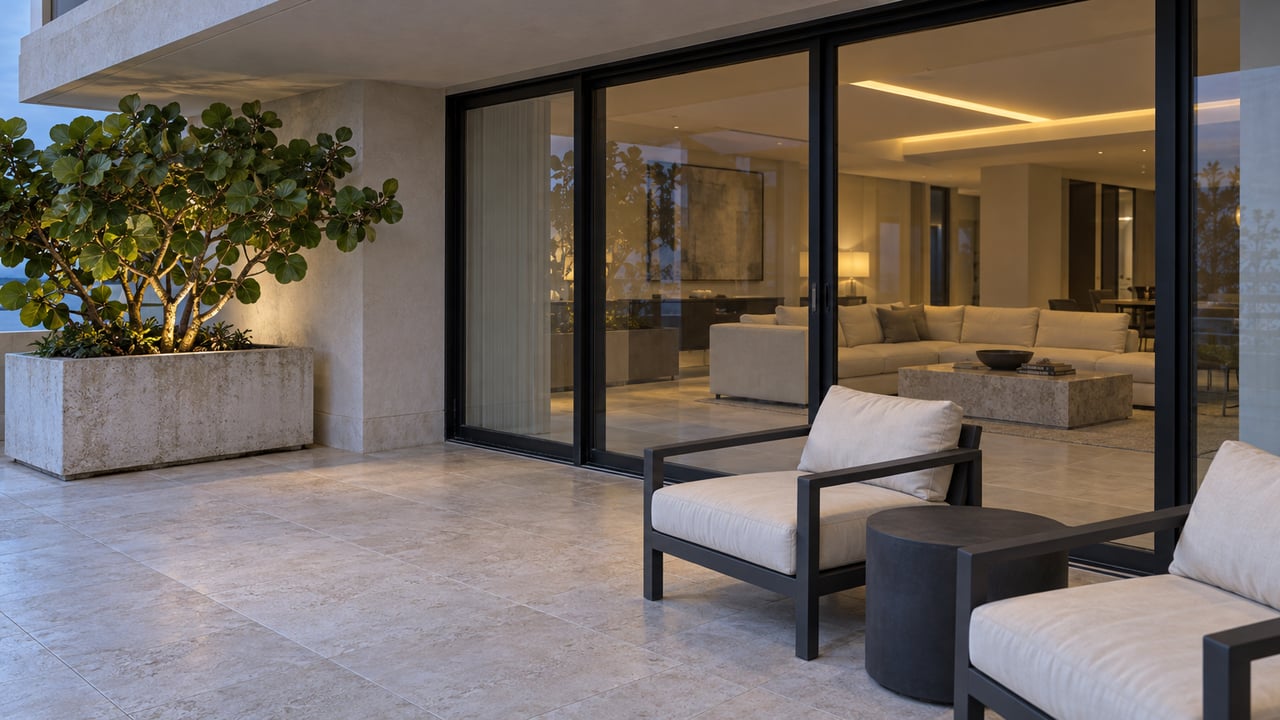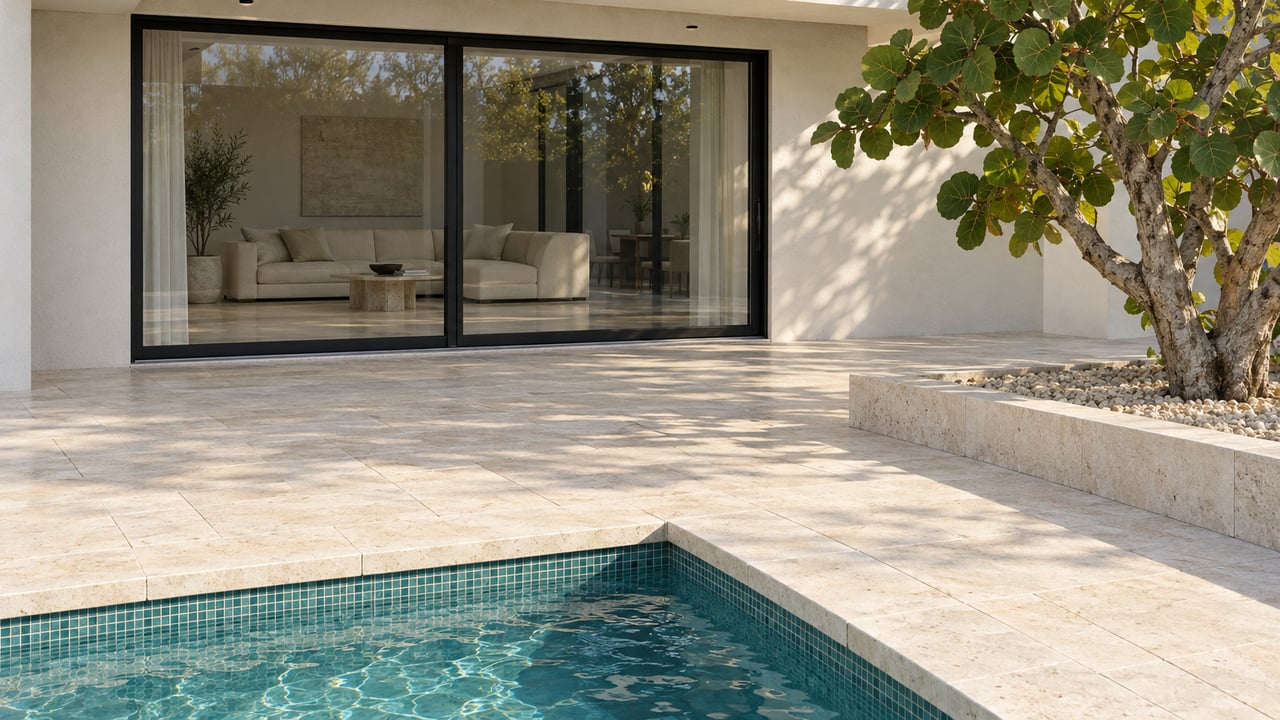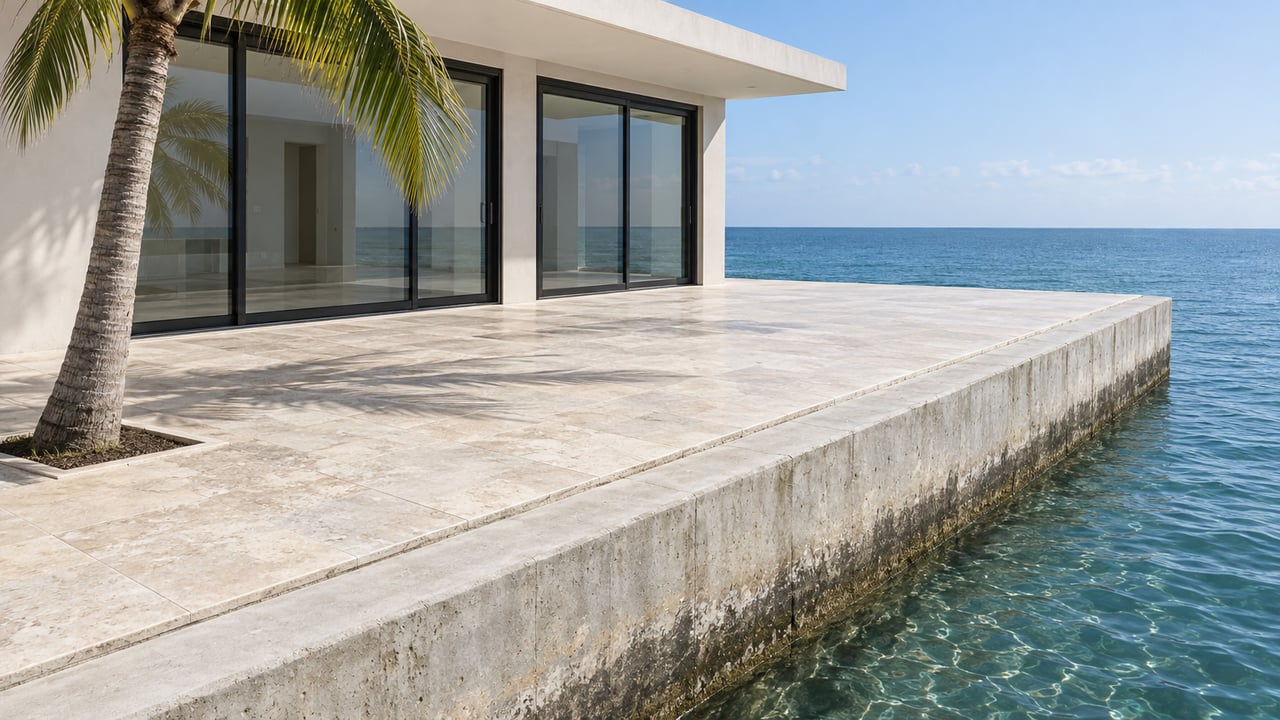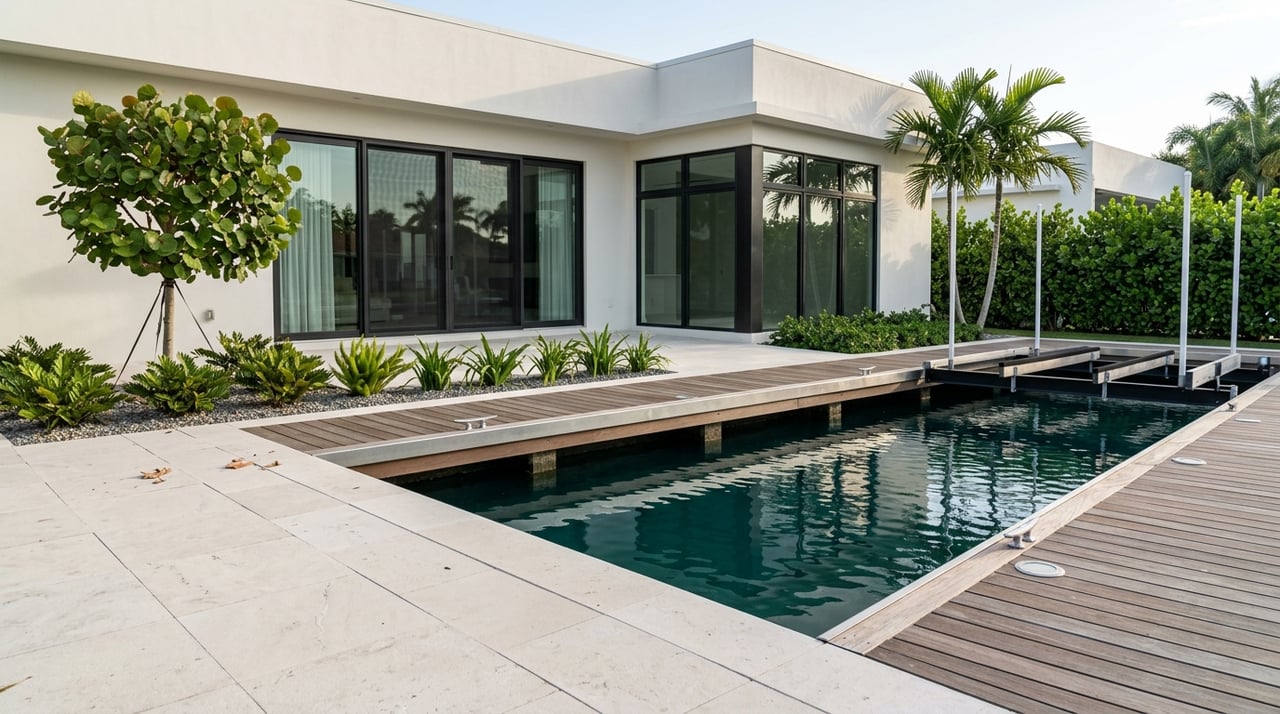
Trying to choose between sand-and-sky views or a private dock in your backyard? In Fort Lauderdale, that decision is more than a lifestyle preference because the city is built around both beach living and boating culture. If you are weighing a beachfront condo against a waterfront home with dockage, the right fit usually comes down to how you want to spend your time, where you want your responsibilities to sit, and what kind of waterfront access matters most to you. Let’s dive in.
Why this choice matters in Fort Lauderdale
Fort Lauderdale is one of the few luxury markets where both options feel equally authentic. City materials describe more than 165 miles of scenic inland waterways and more than 3,000 hours of sunshine each year, while Fort Lauderdale Beach offers a three-mile public shoreline with permanent lifeguard coverage.
That dual identity shapes the market. On one side, you have beachfront condo living centered around Fort Lauderdale Beach and Central Beach. On the other, you have canal-front homes with dockage in areas such as Rio Vista, Las Olas Isles, and Harbor Beach.
Beachfront condo living: simplicity and access
If your ideal day starts with ocean views, walkable dining, and a residence that feels easy to leave and return to, a beachfront condo may be the stronger match. In Fort Lauderdale’s Central Beach area, city planning supports a more active, mixed-use, pedestrian-friendly beach district.
That matters because beachfront condo living here often feels more urban and connected than secluded. You are not just buying a view. You are buying into a location shaped around lobbies, residential towers, restaurants, retail space, open space, and a streetscape designed for activity.
What makes condos appealing
For many buyers, the biggest draw is convenience. Under Florida condominium law, the association is responsible for maintaining common elements and other condominium property within the association’s responsibility.
In practical terms, that creates the classic lock-and-leave appeal. You own your unit within a governed building, rather than taking on the full exterior maintenance burden of a detached waterfront home.
This option may fit you well if you value:
- Direct beach access
- Walkability to restaurants and daily conveniences
- Shared amenities and staffed building operations
- A more managed ownership structure
- Easier travel in and out of the property
The condo trade-off today
Condo living is not maintenance-free. It is maintenance that happens at the building level rather than the individual property level.
That distinction is especially important in Florida’s current regulatory environment. Residential condominium buildings that are three habitable stories or higher are subject to structural integrity reserve study requirements every 10 years, and certain buildings are also subject to milestone inspections at 30 years of age and every 10 years after that.
For buyers, this means due diligence matters more than ever. You should understand whether the building is current on its reserve study and milestone inspection obligations, and what that may mean for reserves, future projects, and ownership costs.
Florida law also gives condo buyers an important protection during closing. If you request it in writing, you may extend closing by up to 15 days after receiving the inspector-prepared summary of the milestone inspection report or the association’s most recent structural integrity reserve study.
Condo living and boating can still mix
Choosing a condo does not always mean giving up boating. Fort Lauderdale operates municipal docking and boat-launch facilities at public marine sites on a first-come, first-served basis.
That can be a useful middle ground if you want beach access and a managed residence, but still want occasional time on the water. It is not the same as having your boat behind your house, but for some buyers it offers enough flexibility without the upkeep of a private dock.
Waterfront home with dockage: control and utility
If boating is not just part of your lifestyle but a regular part of your routine, a waterfront home with dockage may offer the better long-term fit. In Fort Lauderdale, canal-side areas such as Rio Vista, Las Olas Isles, and Harbor Beach give you direct access to the water while still keeping the beach within reach.
This side of the market tends to feel more private and self-contained. Instead of sharing access through a building and its rules, your home becomes the place where you store, launch, and manage your boat on your terms.
What makes dockable homes appealing
The value here is direct control. If you use your boat often, a private dock can make ownership much more efficient and enjoyable.
You may prefer this option if you value:
- Private dockage at your residence
- Fast, convenient boating access
- More privacy than a high-rise setting
- Greater control over your property and exterior use
- A more residential waterfront experience
For frequent boaters, this can be the most functional choice. The property itself becomes part of your boating setup, not just your address.
The trade-off with a private dock
That control comes with site-specific responsibility. Broward County requires an Environmental Resource License for docks, seawalls, floating vessel platforms, and other in-water structures.
Some smaller projects may qualify for a general license, which the county says is often completed in 7 to 10 days, including certain private noncommercial docks up to 500 square feet of over-water surface area. Larger projects, or those involving dredging or wetland impacts, require a regular license.
This is why due diligence on a waterfront home goes beyond the house itself. You want to understand the dock and seawall history, the permitting status, and whether any future work may trigger additional approvals.
Broward County also draws a clear line between a private residential setup and something that begins to function more like a marine facility. Waterfront single-family residences and multi-slip facilities with fewer than five slips are not considered boat or marine facilities under the county’s Manatee Protection Plan, but once a property reaches five or more slips, Marine Facility Operating License rules apply.
For most luxury homebuyers, that threshold simply helps clarify whether the property functions as a private residence or crosses into a more regulated use pattern.
Condo or boatyard home: what are you really buying?
The clearest way to frame this decision is not that one option is better. It is that each one turns your money into a different kind of waterfront experience.
A beachfront condo usually buys you simplicity, views, walkability, and a service-oriented ownership model. A waterfront home with dockage usually buys you privacy, direct boat access, and control over how the property functions.
Think in terms of time
Ask yourself how you actually plan to live. If you travel often, split your time between cities, or want a residence that feels easier to secure and leave, the condo model may align better with your routine.
If you boat frequently and want spontaneous access without coordinating storage, launch logistics, or off-site dockage, a private dock may justify the added responsibility. In that case, the home is doing more work for your lifestyle.
Think in terms of cost structure
The spending profile is different too. Condos tend to concentrate costs in HOA dues, reserves, and building-level compliance.
Dockable homes tend to concentrate costs in dock and seawall upkeep, flood considerations, and property-specific maintenance. Neither path removes complexity. It simply places that complexity in different places.
Flood risk matters in both options
No matter which path you choose, flood risk should be part of the conversation. The City of Fort Lauderdale states that flood damage is not covered by most homeowners insurance policies, and many residents live in or near a Special Flood Hazard Area.
That means flood insurance may be required or advisable depending on the property. The city also states that its participation in the National Flood Insurance Program Community Rating System reflects about 20% savings on flood insurance premiums for residents.
The key takeaway is simple: a waterfront home does not avoid flood exposure, and a beachfront condo does not remove it either. You still want a clear insurance review as part of your purchase analysis.
A practical way to choose
If you are deciding between these two lifestyles in Fort Lauderdale, start with four questions:
- How often will you really use the boat? If the answer is often, private dockage may be worth the upkeep.
- Do you want walkability or privacy? Central Beach leans more amenity-driven and pedestrian-friendly, while canal-front homes feel more residential and self-contained.
- Where do you want the maintenance burden? In a condo, much of it sits at the building level. In a waterfront home, more of it sits at the property level.
- Are you prepared for the right kind of due diligence? Condo buyers should review reserve studies and milestone inspection status. Waterfront-home buyers should review dock, seawall, and permitting history.
When you answer those questions honestly, the right direction usually becomes much clearer.
The Fort Lauderdale fit by buyer type
A beachfront condo is often the better fit if you want a polished, managed residence with immediate beach access and a more connected urban-coastal setting. It can make sense for second-home buyers, frequent travelers, and buyers who value ease of ownership.
A waterfront home with dockage is often the better fit if your boating routine is central to your lifestyle and you want the privacy and utility of direct water access. It can make sense for buyers who want the property itself to function as part of their time on the water.
In a market like Fort Lauderdale, both can be exceptional choices. The real question is which version of waterfront living feels more natural to the way you want to live.
If you want a discreet, data-driven review of Fort Lauderdale beachfront condos or waterfront homes with dockage, schedule a private consultation with Isaac Malagon - Sotheby's.
FAQs
What is the main difference between a Fort Lauderdale beachfront condo and a waterfront home with dockage?
- A beachfront condo generally offers beach access, walkability, shared amenities, and building-managed maintenance, while a waterfront home with dockage offers more privacy, private boat access, and direct control over the property.
What should you review before buying a Fort Lauderdale condo near the beach?
- You should review the building’s structural integrity reserve study status, milestone inspection obligations, and the association’s overall maintenance and reserve picture.
What should you review before buying a Fort Lauderdale waterfront home with a dock?
- You should review the dock and seawall permitting history, any needed Broward County licensing issues, and whether the property’s slip setup remains within private residential use.
Can you still boat if you choose a Fort Lauderdale beachfront condo?
- Yes. Fort Lauderdale operates municipal docking and boat-launch facilities at public marine sites, which can give condo owners a boating option without keeping a private dock at home.
Does flood risk matter for both Fort Lauderdale condos and dockable homes?
- Yes. The city states that many residents live in or near a Special Flood Hazard Area, and flood damage is not covered by most homeowners insurance policies, so insurance review is important for either property type.