What if the real luxury in Miami is not just your home, but the way your neighborhood feels every day? In Coconut Grove, that question matters because buyers are often drawn as much to the atmosphere as to the architecture itself. If you are considering a high-end home in the Grove, understanding its village lifestyle can help you decide whether the neighborhood truly fits how you want to live. Let’s take a closer look.
Why Coconut Grove Feels Different
Coconut Grove is widely recognized as Miami’s oldest neighborhood, and that history still shapes the experience of living there today. Rather than feeling built around speed or spectacle, the Grove is known for its bayside setting, shaded streets, walkable village core, sidewalk cafés, boutiques, parks, and access to the water.
That combination gives the neighborhood a distinct rhythm. You can move from a residential street lined with mature trees to a lively commercial area in just a few minutes, then continue on to a marina or waterfront park. For many luxury buyers, that balance is the appeal.
City planning materials also point to several qualities that residents and planners value: historic legacy, architectural variety, natural beauty, walkability, and water access. In practical terms, that means the Grove offers a lifestyle that feels established and protected rather than interchangeable.
A Village Lifestyle With Real Depth
Coconut Grove’s polished image only tells part of the story. Official neighborhood sources also note Bahamian roots dating to the 1870s and identify Historic Little Bahamas as one of Miami’s historic Black communities.
That cultural foundation helps explain why the Grove often feels layered and local. Even as the neighborhood attracts luxury buyers and sophisticated development, it still carries a sense of identity that is tied to place, history, and long-standing community character.
For you as a buyer, this can matter more than you might expect. In many luxury markets, amenities can be replicated. A true sense of neighborhood identity is much harder to reproduce.
Water Access Shapes Daily Life
For many homeowners in Coconut Grove, the water is not just a view. It is part of everyday life.
Dinner Key Marina is one of the neighborhood’s signature assets. According to the City of Miami, it offers 587 wet slips and 250 moorings in a park-like setting, and it sits within a short walk of the heart of Coconut Grove and CocoWalk. Its location near Peacock Park, Kennedy Park, and historic City Hall reinforces how closely the waterfront is woven into the neighborhood.
The boating culture extends beyond the marina itself. Coconut Grove Sailing Club maintains a public mooring field with 175 moorings in Biscayne Bay and hosts regattas throughout the year, along with sailing lessons and launch service.
For luxury homeowners, this creates a very specific kind of convenience. You are not simply near the bay. You are in a neighborhood where boating and sailing are part of the local cadence, whether you actively participate or simply enjoy living around it.
Walkability Adds Everyday Convenience
Luxury buyers often say they want a walkable lifestyle, but in many places that means a single retail cluster surrounded by car-dependent streets. Coconut Grove offers something more complete.
The neighborhood’s dining and retail scene is notably compact. Official local sources describe a walkable area with acclaimed restaurants, boutiques, CocoWalk, and a street life that feels lively without losing its relaxed character.
That matters because convenience changes how you use a neighborhood. A short walk to a café, dinner reservation, waterfront park, or retail stop can make daily life feel easier and more enjoyable, especially if you are splitting time between Miami and another city.
Mobility options also support that village feel. The City of Miami trolley serves Coconut Grove’s parks, shopping areas, City Hall, the Coconut Grove Metrorail Station, Douglas Road Metrorail Station, and Grove Central. In 2026, the Coconut Grove BID also launched an electric Circuit shuttle connecting Peacock Park, CocoWalk, Regatta Harbour, and the Grove Metrorail Station.
Together, those options make short trips within the neighborhood simpler without requiring you to rely on a car for every movement.
Culture Is Part of the Lifestyle
Coconut Grove stands apart from many luxury neighborhoods because culture is not an afterthought here. It is one of the area’s defining features.
The Coconut Grove Arts Festival describes the neighborhood as Miami’s original art district, and the event draws tens of thousands of visitors each Presidents’ Day weekend. That tradition adds to the Grove’s long-standing creative identity.
The neighborhood is also home to notable historic and cultural destinations. Vizcaya Museum and Gardens includes 10 acres of gardens and a historic Main House on Biscayne Bay. The Barnacle Historic State Park preserves the oldest house in Miami-Dade County in its original location. Miami-Dade is also moving to re-establish regional theater at the Coconut Grove Playhouse, a step that would further reinforce the area’s cultural importance.
For you as a homeowner, these are not just visitor attractions. They contribute to the texture of the neighborhood and support a lifestyle that feels more intellectually and visually rich than a purely residential enclave.
The Housing Mix Feels Established
Coconut Grove is best understood as a protected, low-rise neighborhood with layers of residential character. It is not a blank canvas for unlimited redevelopment.
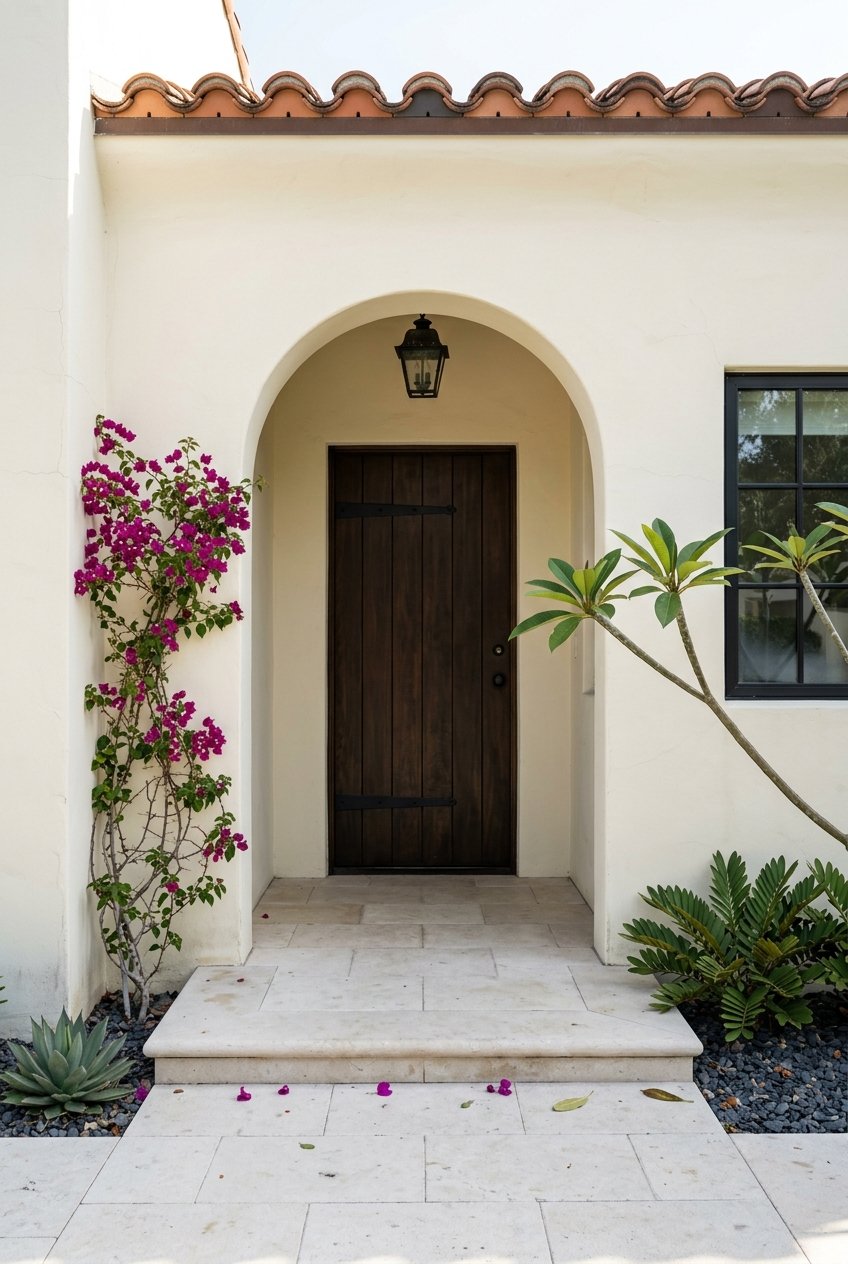
City historic preservation materials describe architectural styles in the Grove that include Bahamian or Conch houses and other vernacular forms. Conservation policies also emphasize preserving architectural variety, tree canopy, and green space.
At the same time, the neighborhood is not frozen in the past. Miami-Dade notes that Grove Central, next to the Coconut Grove Metrorail Station, includes 402 residential units and retail space, with the historic heart of Coconut Grove within walking distance.
That means your options can span several lifestyle preferences, including:
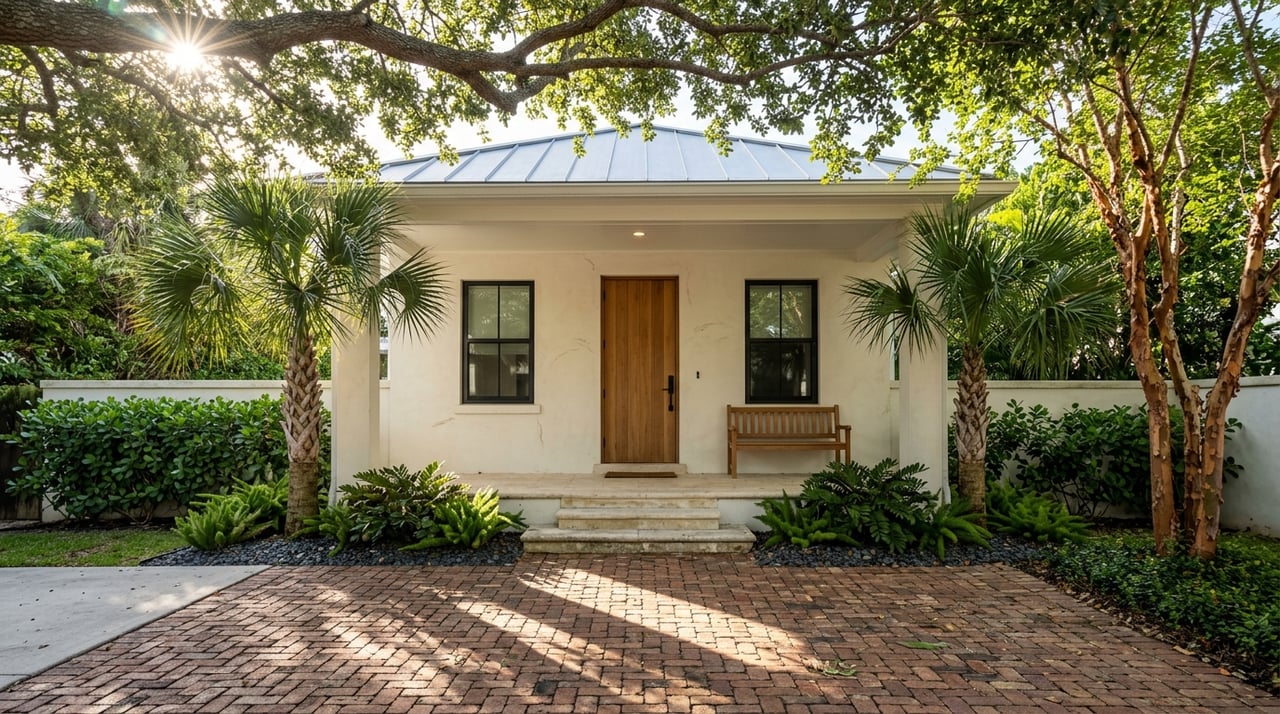
- Legacy single-family homes in leafy residential settings
- Larger luxury residences near the waterfront
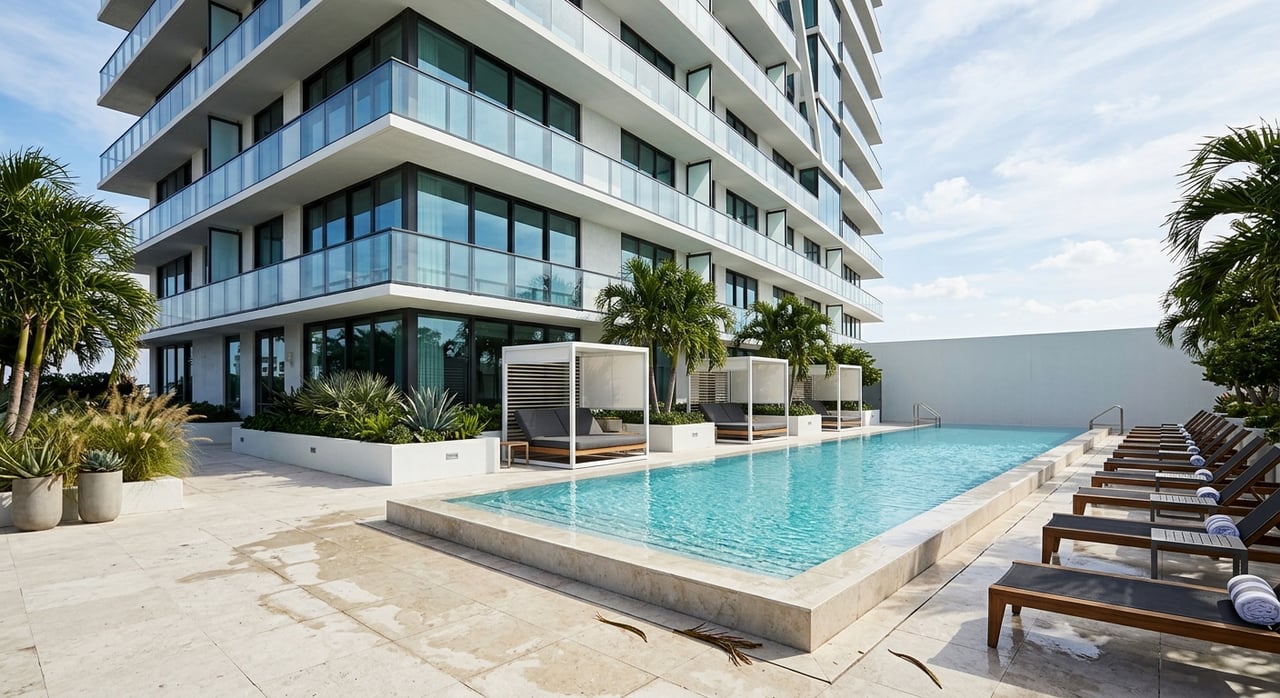
- Condo-style or mixed-use convenience near transit and the village core
This blend is part of what makes the Grove compelling. It offers continuity and evolution at the same time.
Conservation Rules Protect the Feel
One reason Coconut Grove retains its identity is that its visual character is reinforced by regulation, not just taste. The City of Miami’s Neighborhood Conservation District rules are designed to help preserve tree canopy, green space, historic heritage, and the neighborhood’s single-family character.
For luxury buyers, that can be a meaningful advantage. The value of your home is shaped not only by your lot and finishes, but also by the quality and consistency of the surrounding environment.
There is, however, an important tradeoff. Buyers who want privacy, boating access, mature landscaping, and a low-rise neighborhood setting may see strong lifestyle value in these protections. Buyers who want broad design flexibility everywhere in the neighborhood may find the conservation framework more limiting.
This is why due diligence matters in Coconut Grove. The neighborhood rewards buyers who appreciate context and who want to align their purchase with the character that makes the area desirable in the first place.
Why Luxury Buyers Pay Attention
Coconut Grove sits firmly in Miami-Dade’s upper tier. In the Miami Realtors Q1 2026 luxury report, the single-family luxury threshold for Coconut Grove was $7.3 million, while the condo luxury threshold was $2.6 million.
Those numbers do not define every property, but they do help frame the market. They show that Coconut Grove is recognized as a serious luxury location where buyers are often paying for more than square footage alone.
In this neighborhood, value is tied to a combination of factors:
- Water access
- Tree canopy and green space
- Walkable daily living
- Cultural identity
- Historic character
- A protected low-rise setting
That is why the Grove tends to appeal to buyers who view luxury as a lifestyle asset, not just a physical asset.
Is Coconut Grove the Right Fit for You?
Coconut Grove tends to resonate most with buyers who want a neighborhood that feels personal, established, and connected to the bay. If you value privacy, boating access, walkability, and a sense of place, the Grove offers a rare combination within Miami.
It may be especially appealing if you want high-end living without sacrificing neighborhood character. Instead of a purely vertical or resort-driven experience, you get a setting where parks, marinas, cafés, cultural landmarks, and residential streets all work together.
The key is to approach the market with clarity. In Coconut Grove, the strongest purchases are often the ones that match your lifestyle priorities as closely as your property criteria.
If you are weighing Coconut Grove against other luxury Miami neighborhoods, a disciplined and highly local view can make the decision much easier. For a private consultation on Coconut Grove homes, buyer representation, or a tailored search strategy, connect with Isaac Malagon - Sotheby's.
FAQs
Is Coconut Grove walkable for luxury homeowners?
- Yes. Coconut Grove has a compact village core with restaurants, boutiques, parks, and waterfront destinations, plus support from the city trolley, Metrorail access, and the local Circuit shuttle.
Why does Coconut Grove appeal to luxury buyers in Miami?
- Coconut Grove combines boating access, tree-lined streets, cultural landmarks, walkability, and upper-tier pricing, giving buyers lifestyle value that goes beyond the home itself.
Does Coconut Grove feel historic or modern?
- It offers both. The neighborhood includes historic homes, cultural sites, and preservation overlays, along with newer residential development near the Coconut Grove Metrorail Station.
What makes Coconut Grove’s housing character unique?
- The Grove blends architectural variety, mature landscaping, and a mostly low-rise residential pattern, with protections intended to preserve green space, tree canopy, and neighborhood identity.
What should buyers know about Coconut Grove conservation rules?
- The City of Miami’s Neighborhood Conservation District framework is intended to preserve the Grove’s visual character, historic heritage, green space, and single-family feel, which can support long-term neighborhood consistency.
How expensive is Coconut Grove’s luxury market?
- In the Miami Realtors Q1 2026 luxury report, Coconut Grove’s luxury threshold was $7.3 million for single-family homes and $2.6 million for condos, placing it firmly in Miami-Dade’s high-end market.