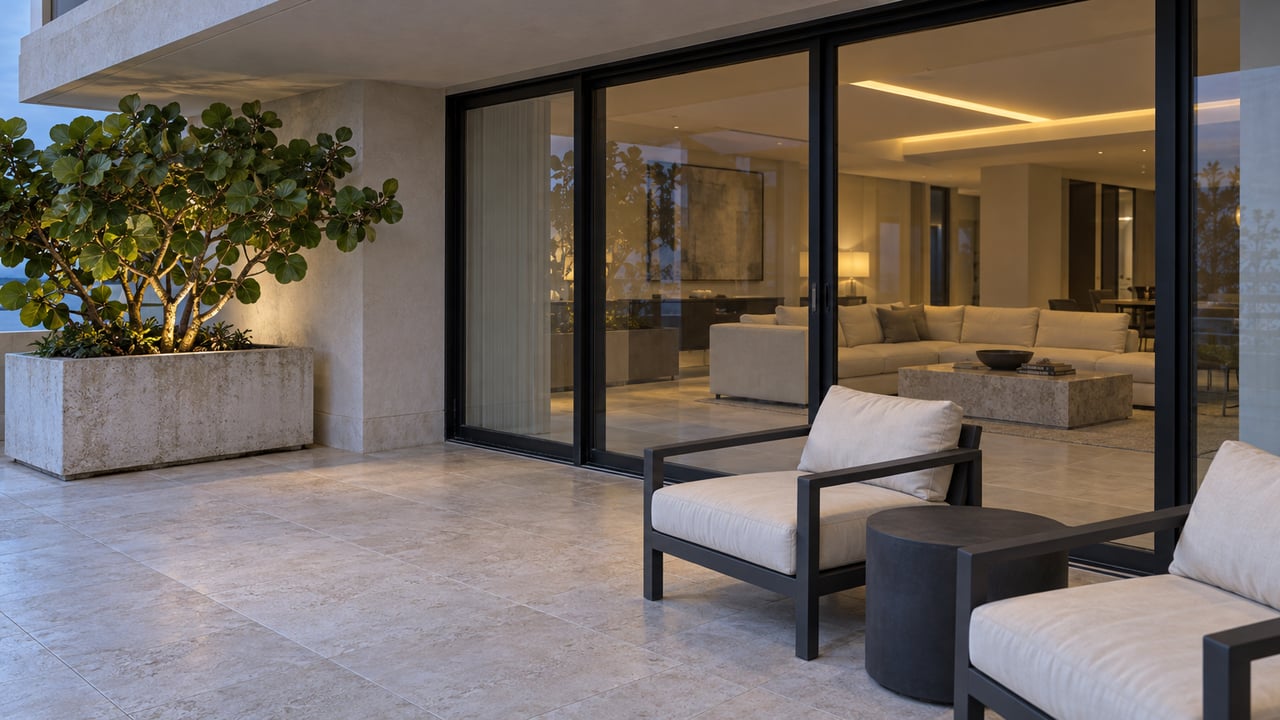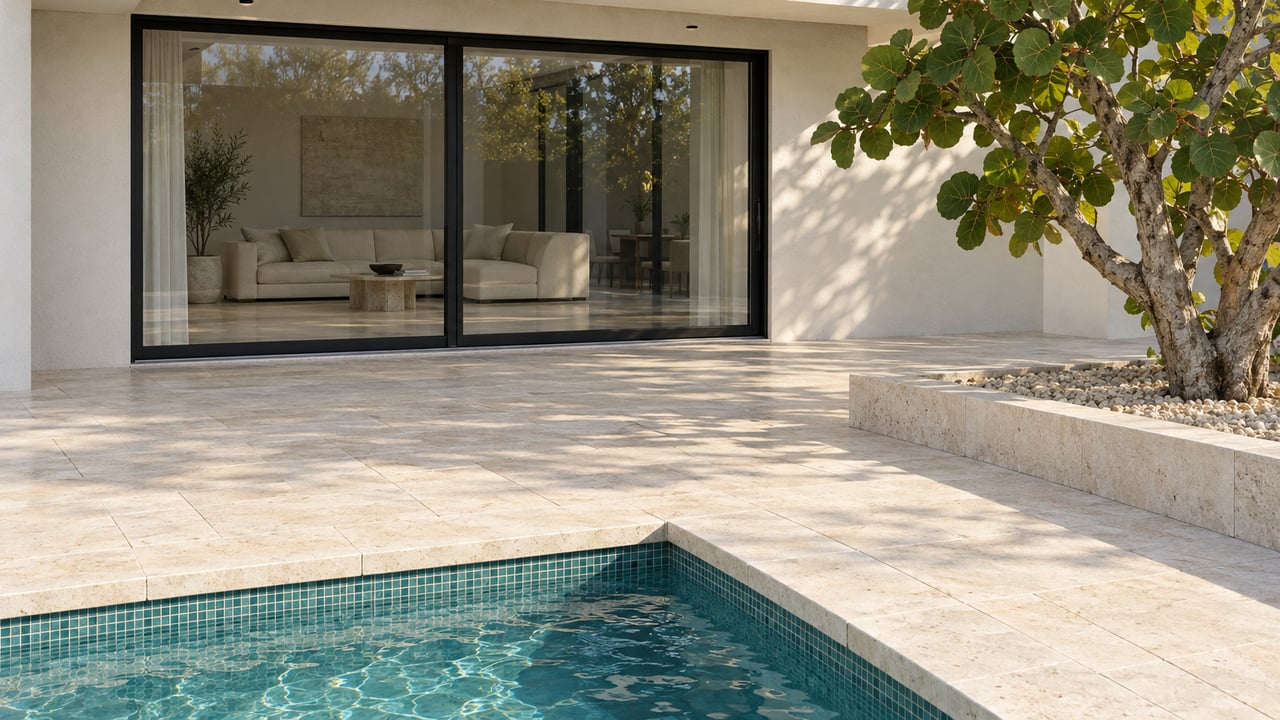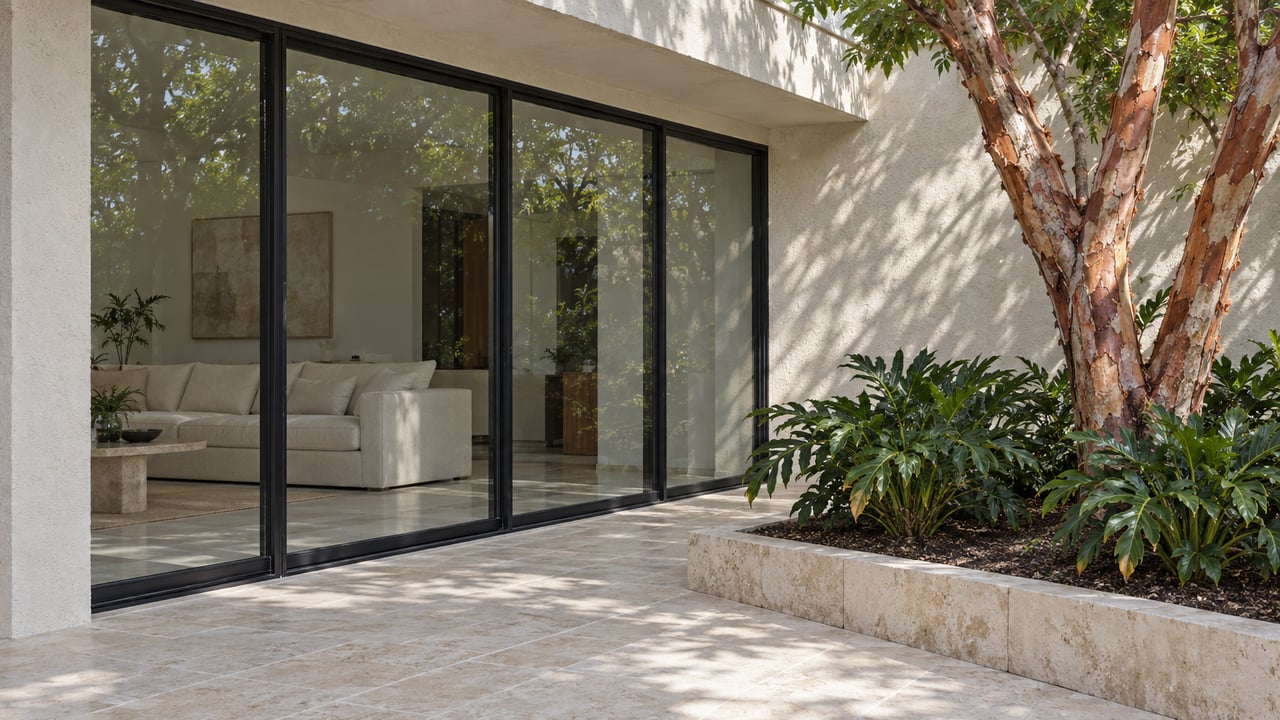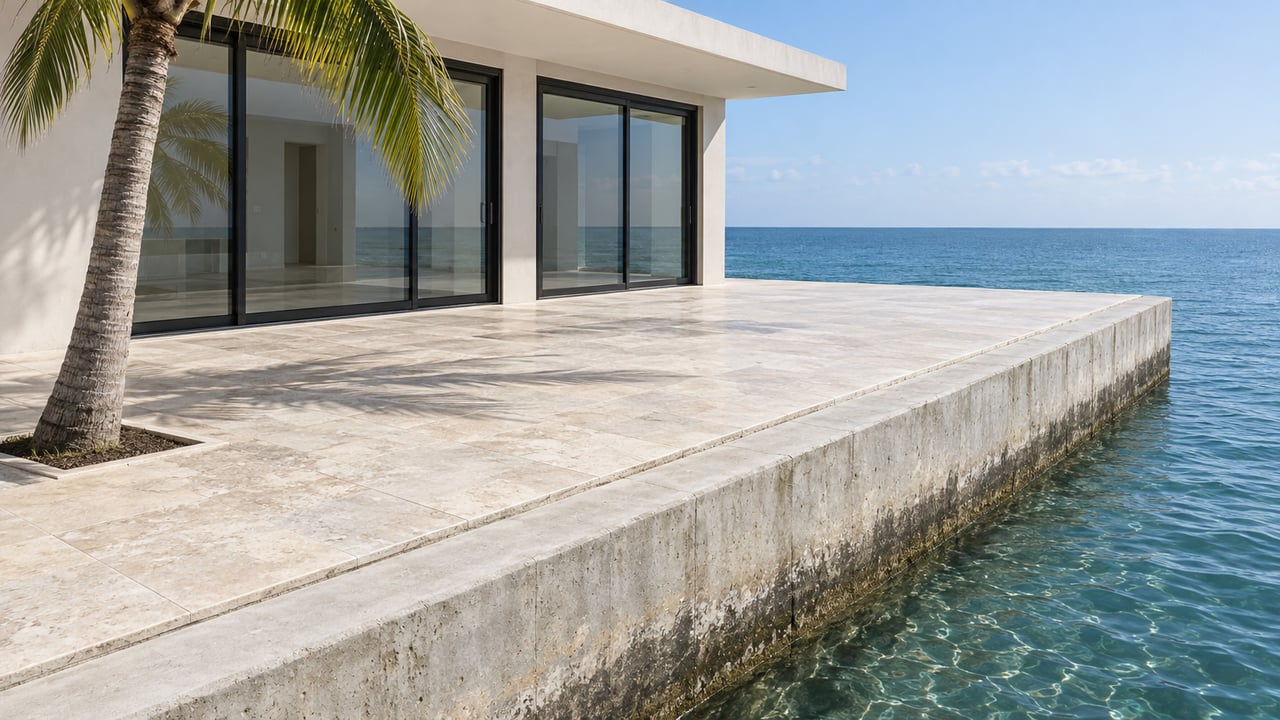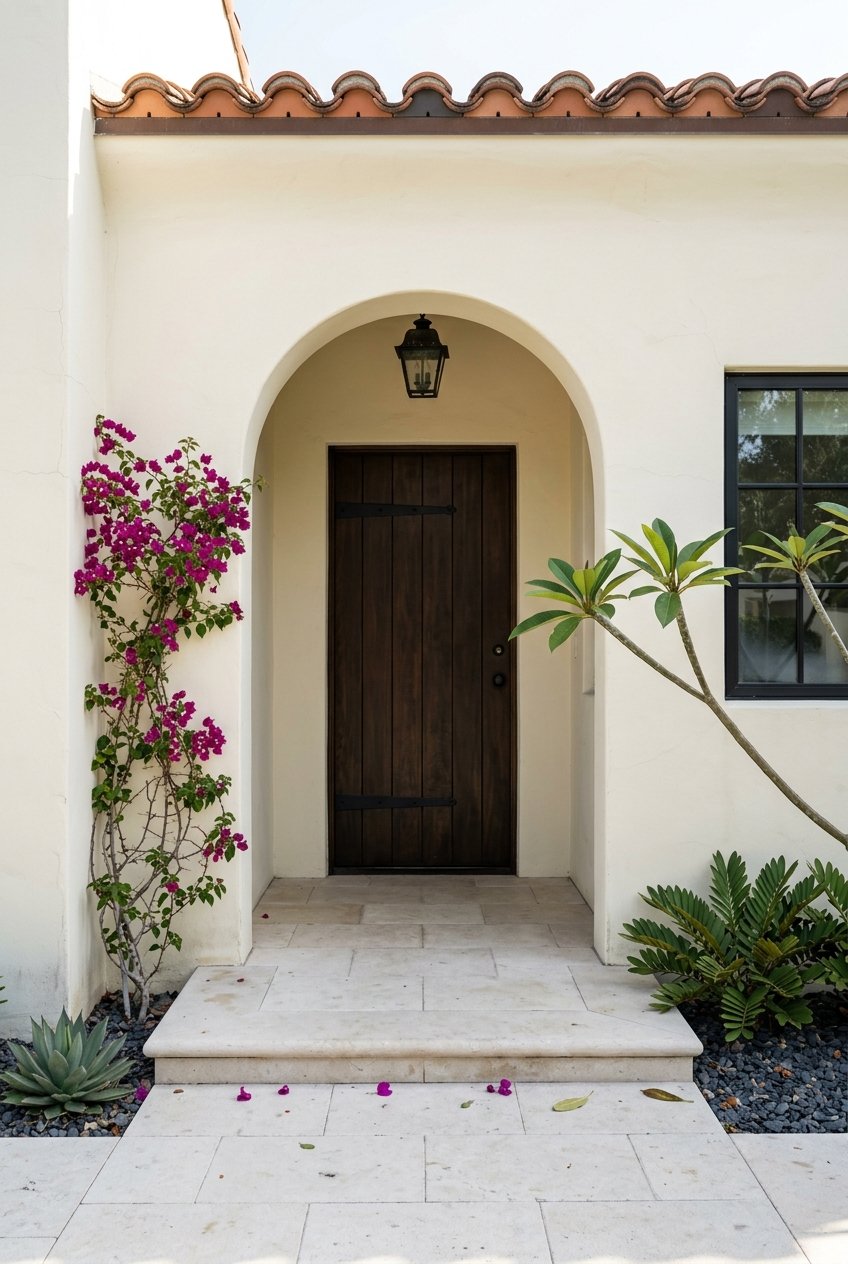
If you are thinking about renovating a historic home in Coral Gables, the stakes are higher than a typical remodel. In this market, you are not just updating a house. You are balancing architectural character, city review, and the level of finish buyers expect in one of Miami-Dade’s top luxury enclaves. With the right plan, you can protect long-term value, avoid costly delays, and make smarter decisions from the start. Let’s dive in.
Why historic renovations work differently here
Coral Gables is not just another luxury submarket. The city frames itself as a City Beautiful and Garden City community, and it has more than 1,000 properties on the Coral Gables Register of Historic Places. The city also ties preservation directly to economics, stating that preservation is intended to stabilize and enhance property values in historic areas.
That matters even more in today’s high-end market. MIAMI Realtors reported that Coral Gables recorded 22 single-family sales at $10 million or more in 2025, placing it among Miami-Dade’s leading luxury markets. In a setting like this, buyers and owners often expect modern comfort and performance without losing the original architecture that makes the home special.
Know your property status first
Before you sketch plans or choose finishes, confirm how the property is classified. In Coral Gables, a home may be locally designated, contributing to a historic district, or non-designated. That status shapes what you can change, which approvals you may need, and how long your timeline may take.
Locally designated historic properties are generally at least 50 years old and must have architectural, aesthetic, or historical value. The city’s designation process goes through a public hearing before the Historic Preservation Board. Because of that, you should never assume an older home is free from preservation review just because it is not obviously marked as historic.
Understand the local approval path
In Coral Gables, design and preservation review usually come before permits. That order is important. If you move too quickly on design decisions, you may end up revising plans later to meet city standards.
Board of Architects review comes early
The Board of Architects, often called the BOA, evaluates whether an application meets the city’s Design Review Standards. According to the city, those standards address items such as color, materials, fenestration, proportion, and overall design order. The city also states that BOA recommendation must be obtained before a Certificate of Appropriateness application is submitted.
For many projects, typical building permits also involve preliminary and final BOA approval before permit issuance. That means your exterior design choices should be organized carefully from the start. Materials, paint colors, window patterns, and massing all matter in review.
A Certificate of Appropriateness may be required
For most exterior work on a designated historic property, a Certificate of Appropriateness, or COA, is required before building permits may be issued. Coral Gables distinguishes between standard COAs and special COAs. Special COAs may apply to demolition, removal, reconstruction, alteration, or new construction that requires Historic Preservation Board determination.
Some ordinary maintenance work may not require COA review. Still, it is wise to confirm early rather than rely on assumptions. In historic renovations, small misunderstandings at the front end can become expensive delays later.
Demolition has its own rules
Demolition is especially sensitive in Coral Gables. Under the city’s 2023 ordinance, demolition permits for non-designated buildings must be approved by the Historic Preservation Officer or designee. The approval remains valid for 18 months, and any citizen may appeal within 10 days of online posting.
The Historic Preservation Officer may also require Historic Preservation Board review if a building appears eligible for local designation or contributes to an existing historic district. For luxury owners considering a major rework, that means demolition is never just a simple permit step.
Plan for more than architecture
Historic renovations in Coral Gables often require a broader submission package than owners expect. The city’s Development Review Process Handbook says applicants must schedule a preapplication conference. Depending on the scope, you may also need site plans, elevations, photographs, contextual drawings, and a landscape plan prepared by a Florida-registered landscape architect.
Tree-related requirements are also part of the process. The city requires a tree survey and tree protection plan when submitting to the Development Review Committee and Board of Architects and when applying for demolition permits. On large lots and mature landscapes, this can influence layout decisions early.
Exterior changes that tend to fit the standards
The safest approach in a historic luxury renovation is usually to preserve what defines the home visually while improving performance behind the scenes. Coral Gables uses the Secretary of the Interior’s Standards for Rehabilitation as a baseline for judging appropriateness. Those standards define rehabilitation as allowing a compatible use through repair, alterations, and additions while preserving the features that convey historical, cultural, or architectural value.
Focus on repair before replacement
Original materials and visible details often carry the most architectural value. If the house has defining elements such as distinctive windows, masonry, roof forms, or ornamental features, preserving and repairing them is usually more consistent with the city’s preservation framework than replacing them with simplified modern versions.
That does not mean the home must stay frozen in time. It means changes should respect the building’s form, scale, massing, and character-defining features.
Be careful with paint and finishes
Exterior paint is regulated in Coral Gables. The city requires Board of Architects approval for all exterior paint projects, and the application must include the exact paint code, color description, color number, photographs, and color swatches.
The city’s design guidance also notes that Coral Gables uses a controlled color palette, favors warm Mediterranean tones, does not permit bright primary colors, does not allow stone or brick to be painted, and generally limits a structure to no more than four colors. In practice, that means paint is not a finishing detail to decide at the end. It is part of your formal review strategy.
Keep additions secondary
Luxury buyers often want larger suites, expanded living areas, garages, pools, terraces, or cabanas. Those features can be added, but restraint matters. National Park Service guidance says additions should be secondary to the historic building and compatible in size, scale, and architectural features, while still being clearly new rather than a false historic copy.
For a Coral Gables property, that usually means the original house should remain the visual priority. Additions should support the home, not compete with it.
Upgrades that protect luxury value
In a prestige market, the most valuable renovations are not always the most visible ones. Sensitive upgrades to mechanical, electrical, plumbing, drainage, and code-related systems can improve daily livability without compromising historic character. That approach aligns with rehabilitation standards that allow system upgrades and code-related improvements within a preservation-minded project.
If you are deciding where to invest first, focus on the items that support long-term ownership and marketability:
- Mechanical system modernization
- Electrical upgrades
- Plumbing improvements
- Drainage and water management
- Code-related corrections
- Careful restoration of original architectural details
These improvements may not create instant visual drama, but they often reduce ownership risk and help the home compete at a higher level when it returns to market.
Interior details still matter
Many owners assume only the exterior matters in a historic renovation. In Coral Gables, the city’s ordinance mainly reviews exterior changes, but interior details can still matter for tax-exemption purposes because the whole project is reviewed against the Secretary of the Interior’s Standards.
The city specifically notes that character-defining interior elements can include moldings, original flooring, fireplaces, niches, open-beamed ceilings, window treatments, and staircases. If your home still retains these details, think carefully before removing or over-simplifying them. In the luxury segment, authenticity is often part of the value story.
Tax incentives may help if the work qualifies
There is a potential tax benefit for approved rehabilitation work. Miami-Dade and Coral Gables both offer an ad valorem historic-preservation tax exemption for eligible properties. According to Miami-Dade, eligible properties must be listed in the National Register or be locally designated and about to undergo restoration or rehabilitation, with Part I filed before construction and Part II filed after construction.
The exemption lasts 10 years, and it applies only to the added value created by the approved restoration work, not to all taxes. Coral Gables also notes that local historic designation does not by itself increase assessed property taxes. For owners planning a major renovation, this can be an important part of the financial analysis.
Due diligence for buyers of older Coral Gables homes
If you are buying an older home in Coral Gables, renovation planning should start before closing. One of the most important checks is permit history and permit closeout. The city says buyers who need to verify whether permits are properly closed should contact the city’s Records Department or submit a public-records request.
That step matters because unresolved permit issues or unclosed historic-review items can affect future renovations, resale timing, and carrying costs. In a high-value purchase, that is not a detail to leave until after contract deadlines pass.
A smart renovation sequence
If you want a cleaner process, follow the city’s approval logic in the right order. This helps reduce rework and gives you a clearer view of scope, cost, and timing.
- Confirm whether the home is designated, contributing, or non-designated.
- Verify permit history and permit closeout status.
- Schedule the required preapplication conference.
- Assemble drawings, photos, elevations, contextual materials, and any required landscape documents.
- Prepare color, finish, and material selections for BOA review.
- Coordinate BOA, historic-preservation, and permitting review in the proper order.
- Attend any required hearing with a complete submission.
The city’s handbook also states that the applicant or representative must attend the hearing and that the Historic Preservation Board acts only on complete submissions. In other words, preparation is not optional. It is part of protecting the project.
Historic homes in Coral Gables can be exceptional long-term assets when renovations are handled with precision. The right strategy respects the architecture, anticipates local review, and prioritizes the systems and design choices that support both daily use and future resale. If you are evaluating a historic purchase, planning a renovation, or weighing value in Coral Gables’ luxury market, a disciplined advisory approach can make the process far more efficient and far less uncertain.
If you want discreet guidance on buying, valuing, or positioning a historic luxury property in Coral Gables, schedule a private consultation with Isaac Malagon - Sotheby's.
FAQs
How can you tell if a Coral Gables home is historically designated?
- You should confirm whether the property is locally designated, contributing to a historic district, or non-designated before planning work, since that status affects review requirements and timing.
What approvals might a historic renovation in Coral Gables require?
- Depending on the property and scope, you may need Board of Architects review, a Certificate of Appropriateness for exterior work, Historic Preservation Board review for certain special cases, and then building permits.
What exterior changes need review in Coral Gables?
- Most exterior work on a designated historic property generally requires a Certificate of Appropriateness before permits can be issued, and all exterior paint projects require Board of Architects approval.
What renovation upgrades best protect value in Coral Gables luxury homes?
- The strongest priorities are often system upgrades such as mechanical, electrical, plumbing, drainage, and code-related improvements, along with careful preservation of original architectural details.
Is there a tax exemption for historic home rehabilitation in Miami-Dade?
- Yes, Miami-Dade offers a 10-year ad valorem historic-preservation tax exemption for eligible approved work, and it applies to the added value created by the restoration or rehabilitation rather than all taxes.
What should buyers verify before closing on an older Coral Gables home?
- You should verify permit history and confirm permits were properly closed out, since unresolved permit or historic-review issues can create future renovation and resale problems.