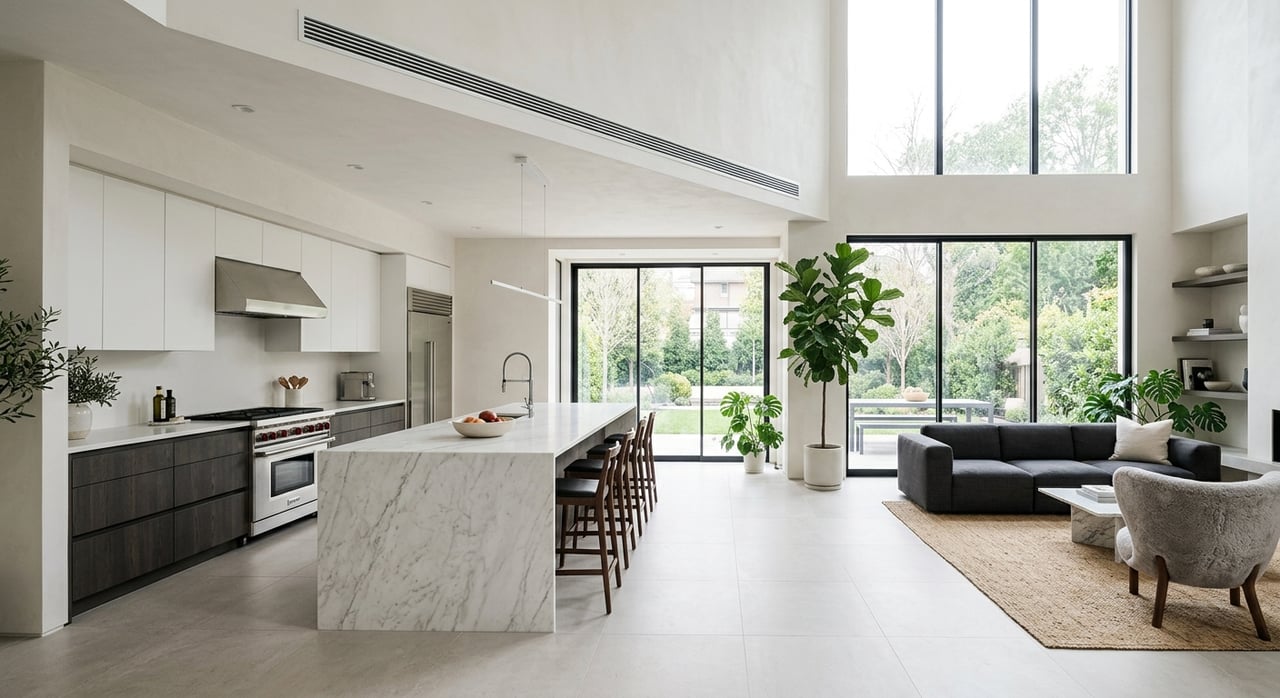
If you are planning a major renovation in Pinecrest, the stakes are higher than they look. In a market where the median for-sale price is about $3.98 million, buyers tend to judge a home against estate-level expectations, not against typical countywide housing norms. That means a luxury renovation is not just about spending more. It is about making disciplined decisions that protect scale, presentation, and long-term resale value. Let’s dive in.
Pinecrest renovations require estate thinking
Pinecrest already operates like a luxury market. Realtor.com reports a median for-sale price of $3.98 million, while Redfin places the Miami-Dade County median sale price at $575,000 as of March 2026. That gap matters because it changes how your renovation will be viewed.
In Pinecrest, extra square footage alone does not automatically strengthen your position at resale. Buyers at this price point are often looking for a complete estate experience. They tend to notice proportion, site planning, facade quality, outdoor flow, and whether the home still feels balanced on the lot.
Start with zoning and site limits
Before you finalize design ideas, understand the framework that governs what you can build. Pinecrest’s zoning map includes estate-oriented residential districts such as EU-1, EU-S, EU-M, and RU-1, with district-specific dimensional standards that can shape the scope of your project.
For single-family homes, one Pinecrest code summary sets key limits that can directly affect renovation plans:
- Maximum building coverage: 45%
- Maximum impervious surface ratio: 65%
- Minimum green space: 35%
- Floor-area-ratio cap for one-story structures: 0.40
- Second-floor floor-area-ratio cap for two-story structures: 0.30
These limits are especially important if you are considering a large addition, expanded hardscape, or a new second-story component. On a Pinecrest estate lot, the question is often not just whether you can add more, but whether the property will still feel open, lush, and appropriately scaled after the work is complete.
Know when site-plan review applies
Many luxury owners underestimate the importance of site-plan review. Pinecrest states that site-plan review is intended to keep development consistent with local regulations and compatible with the surrounding area.
According to the village, site-plan approval is required when alterations affect 50% or more of a principal building’s floor area or when project cost exceeds 50% of the site’s pre-project fair-market value. The village also notes that building expansions of any nature must comply with site-plan regulations.
That threshold can capture more projects than owners expect, especially when a renovation includes a reworked floor plan, expanded outdoor living, facade updates, and mechanical upgrades. If your project is substantial, it is wise to evaluate site-plan implications early rather than after drawings are already complete.
Build around Pinecrest’s design expectations
Pinecrest allows estate-scale architecture, but it also expects a project to feel integrated with the property and the surrounding streetscape. Village materials state that development should be coordinated with existing and anticipated development in the immediate area.
The code also emphasizes that new buildings should harmonize with the premises and nearby homes. Facades are expected to reduce the massing of large blank walls through articulation and variation. For second stories, the code calls for facade variation at intervals no greater than 75 feet.
The practical takeaway is simple. If you are planning a major addition, avoid creating one long, oversized box. Break up the structure visually, use thoughtful massing, and make sure the exterior composition feels intentional from the street.
Prioritize a cohesive facade
In luxury renovation, facade work often does more for perception than raw square footage. A home can gain size yet lose appeal if the front elevation feels heavy, flat, or disconnected from the original architecture.
Pinecrest’s code supports a more refined approach. It expects walls and gates to receive decorative and landscaped treatment rather than plain boundary treatments, including features such as columns, landscaped insets, trellises, green vegetation, sculptural panels, accent lighting, and stone cladding.
For you as an owner, that means the best facade upgrades usually work as a complete composition. Entry sequence, gate design, wall treatment, lighting, and planting should feel coordinated. In a market like Pinecrest, that kind of cohesion can do more for your property’s presentation than a purely cosmetic refresh.
Keep outdoor living balanced
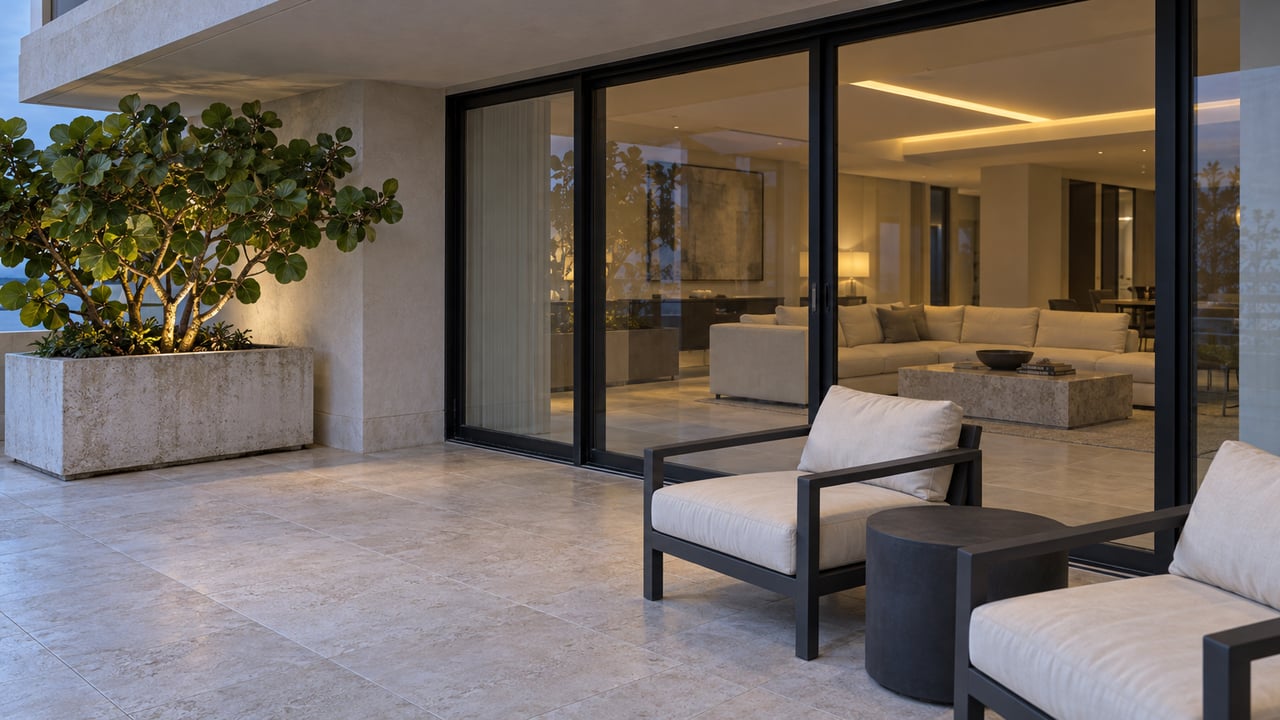
Outdoor living is part of the luxury value equation in Pinecrest, but it needs to be planned with the lot as a whole in mind. The village permits accessory uses such as Jacuzzis, decks, and trellises on single-family lots if they remain at least five feet from side and rear property lines.
That flexibility creates opportunity, especially if your goal is to improve daily livability and create stronger indoor-outdoor circulation. At the same time, every added hardscape element competes with green space, canopy, and visual openness.
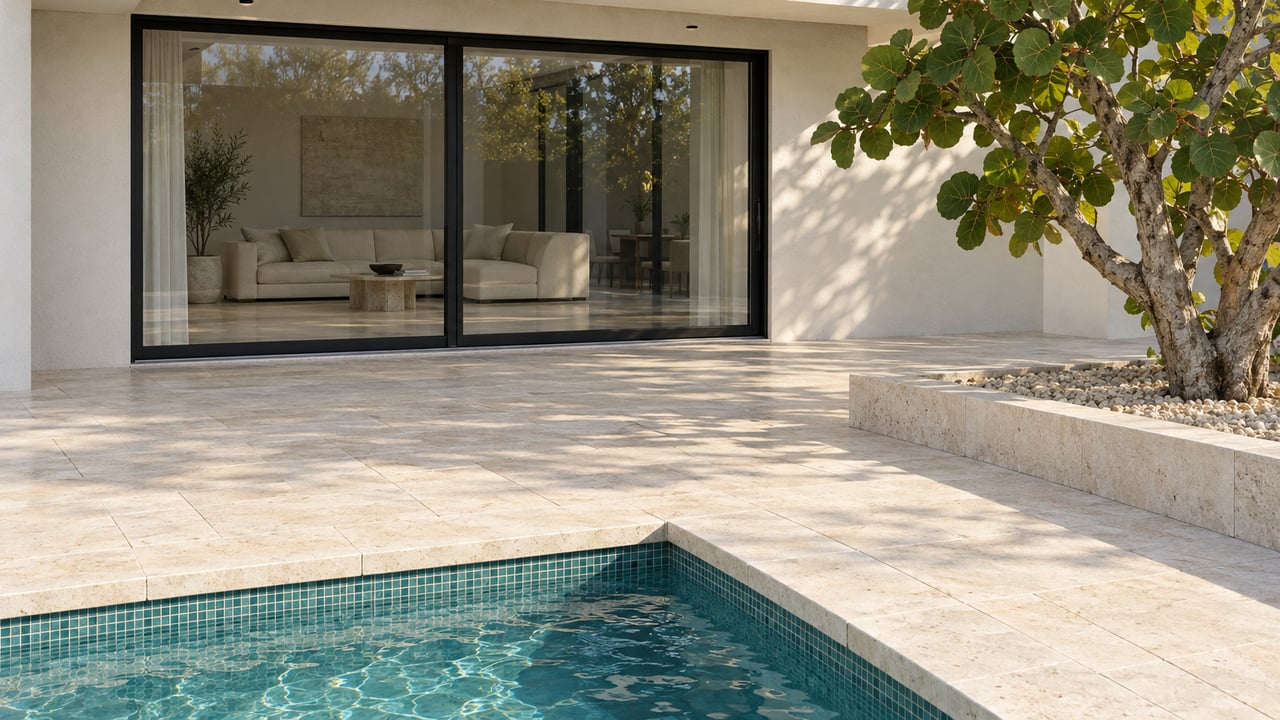
The strongest renovations usually create a well-scaled pool and patio environment rather than filling every available area. In Pinecrest, a lush and composed outdoor setting often supports the estate feel better than an overbuilt one.
Protect tree canopy early
Tree planning should be part of your renovation strategy from day one, not an afterthought. Pinecrest identifies tree canopy as a core neighborhood asset and notes that it has been named a Tree City USA community, with more than 10,000 street trees planted since 1997.
The village also states that a tree removal permit is required for the removal or relocation of any tree not specifically exempted. It defines specimen trees as those over 18 inches in diameter measured four feet above the ground.
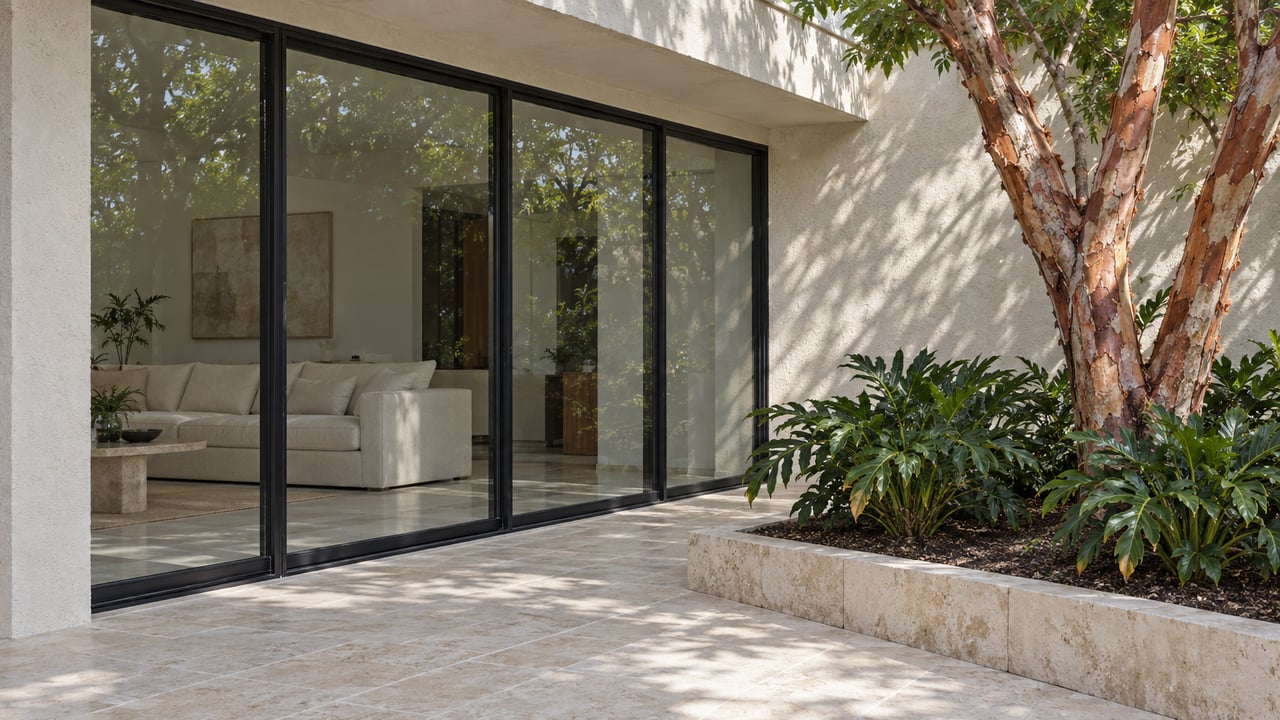
For a luxury property, mature trees often contribute directly to privacy, shade, and visual character. If your concept affects driveways, additions, pool placement, or service areas, evaluate tree impacts early. A renovation that preserves canopy and works around major trees may be better aligned with Pinecrest’s character and more attractive at resale.
Plan the paperwork as carefully as the design
High-end renovations often slow down because the planning package is incomplete. Pinecrest’s permit guidance says applicants must obtain a village permit number before some Miami-Dade submittals, and it notes that a recorded Notice of Commencement is required for projects over $2,500.
The village also says its permit checklist requires detailed documentation, including the existing and proposed layouts, a complete scope of work, and any outside-agency review needs. Missing information can delay processing.
If you are investing significant capital, this part of the process deserves the same discipline as material selections or contractor interviews. Good documentation helps reduce delays, supports cleaner execution, and protects the value story of the home later.
Unpermitted work can hurt resale
In Pinecrest, permit compliance is not just a construction issue. It is a resale issue. The village warns that unpermitted work can lead to removal or costly remedies, and it notes that many financial institutions may not finance a purchase without proof of final inspection.
That has real consequences for future buyers and sellers. Even a visually impressive renovation can create friction if records are incomplete or approvals are unclear.
For luxury owners, the lesson is straightforward. Keep organized records of permits, approvals, plans, and final inspections. In a sophisticated market, documentation becomes part of the asset’s credibility.
What to renovate first in Pinecrest
If you want to invest where it is most likely to strengthen both lifestyle and resale positioning, focus first on the elements that shape how the property feels as an estate. Based on Pinecrest’s zoning, facade, site-plan, and tree-protection standards, the most value-aligned projects tend to support livability while preserving scale and presentation.
Consider prioritizing:
- Indoor-outdoor circulation that makes living spaces connect naturally to patios, pool areas, and gardens
- Facade cohesion so the home reads as one intentional architectural composition
- Pool and patio design that feels proportional to the lot rather than crowded
- Landscape planning that keeps the property lush and visually established
- Permit and plan documentation that protects future resale and financing confidence
This approach is often more effective than chasing square footage for its own sake. In Pinecrest, luxury buyers are usually responding to the full experience of the property, not just the numbers on a floor plan.
Renovate for the next buyer too
A well-planned luxury renovation should serve you now and position the property well for the future. In Pinecrest, that usually means respecting the lot, preserving canopy, maintaining green space, and making sure additions feel visually integrated.
The best projects do not just modernize a house. They reinforce what makes a Pinecrest estate desirable in the first place. If you are weighing renovation decisions, market positioning matters just as much as design taste.
When you want a discreet, data-driven perspective on how renovation choices may affect value and resale positioning in Pinecrest, schedule a private consultation with Isaac Malagon - Sotheby's.
FAQs
What makes a luxury renovation in Pinecrest different from other Miami-Dade areas?
- Pinecrest functions more like an estate market, with a reported median for-sale price of about $3.98 million, so renovations are often judged by overall estate presentation, scale, and compatibility rather than by added square footage alone.
When does a Pinecrest renovation need site-plan approval?
- Pinecrest states that site-plan approval is required when alterations affect 50% or more of a principal building’s floor area or when the cost exceeds 50% of the site’s pre-project fair-market value.
What zoning limits matter for a Pinecrest estate renovation?
- Key single-family limits can include 45% maximum building coverage, 65% maximum impervious surface ratio, 35% minimum green space, and floor-area-ratio caps of 0.40 for one-story structures and 0.30 for the second floor of a two-story structure.
Can you remove trees during a Pinecrest home renovation?
- Pinecrest says a tree removal permit is required for removing or relocating any tree not specifically exempted, and specimen trees are defined as trees over 18 inches in diameter measured four feet above the ground.
Why do permits matter so much for Pinecrest resale value?
- Pinecrest warns that unpermitted work can require demolition or costly corrections, and it notes that many financial institutions may not finance a purchase without proof of final inspection.