If you are weighing Miami Shores against nearby bayside enclaves, you are really deciding what kind of luxury lifestyle fits you best. Some buyers want beach access and a resort setting, while others want larger residential lots, architectural character, and a more established village feel. Understanding those differences can help you narrow your search with more confidence. Let’s dive in.
Miami Shores at a Glance
Miami Shores offers a distinct luxury profile within northeastern Miami-Dade. The village spans just under 3.75 square miles and sits on Biscayne Bay with convenient access to I-95, downtown Miami, Miami Beach, and Fort Lauderdale. It is described by the village as a predominantly single-family residential community with wide tree-lined streets and its own civic institutions, including a police department, public library, parks, and a municipally owned golf and country club.
That matters if you want luxury that feels grounded in day-to-day livability. Instead of a purely seasonal or resort-driven environment, Miami Shores presents itself as a full-service village with a stable residential identity. For many buyers, that creates a different value proposition than a barrier-island address.
What Sets Miami Shores Apart
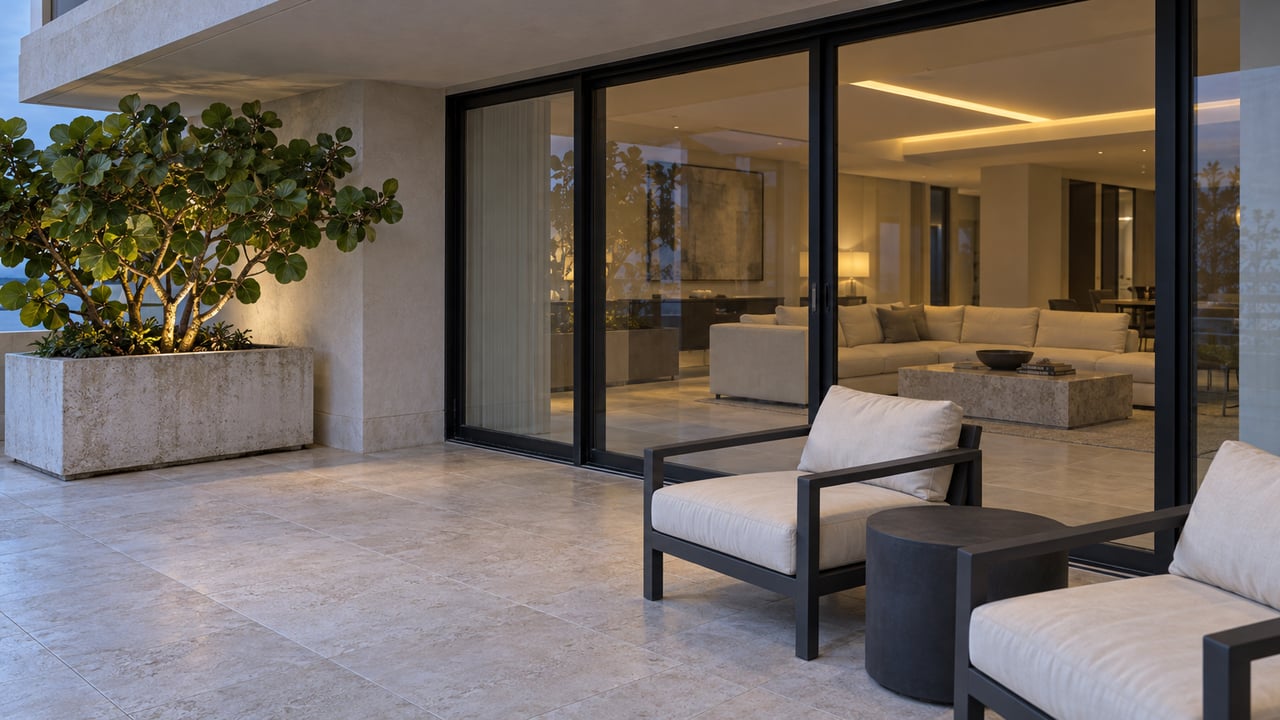
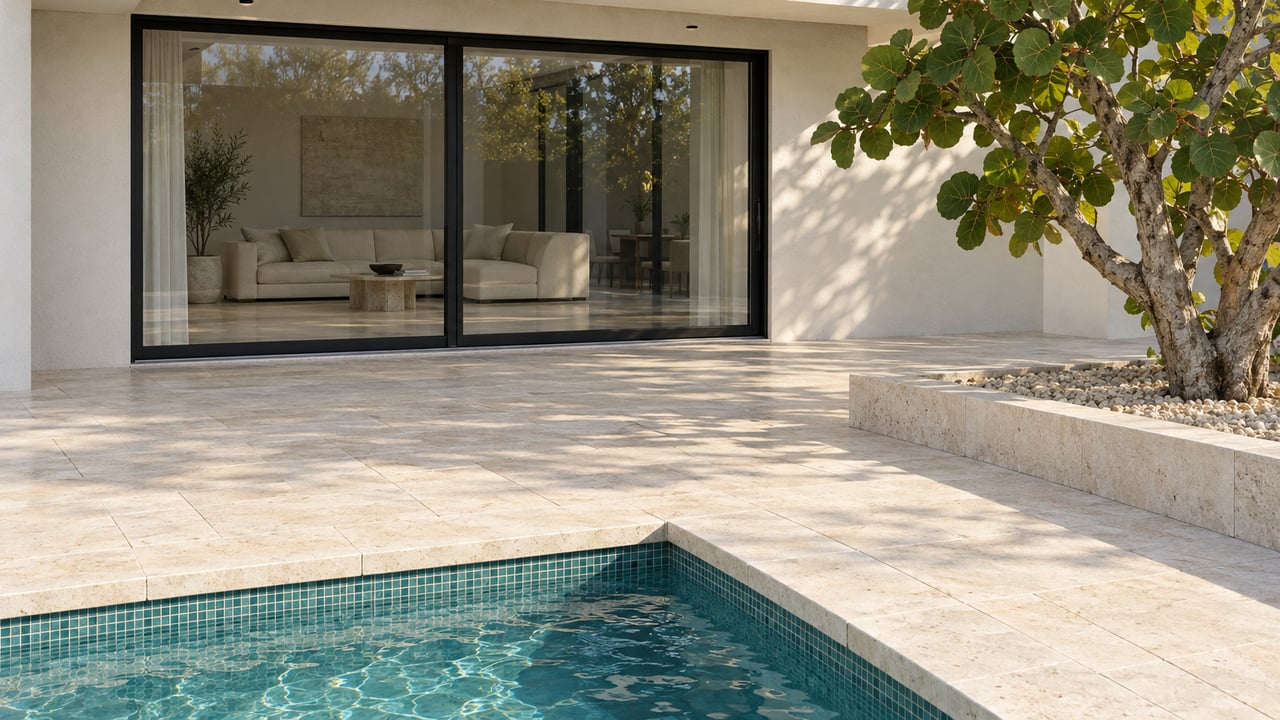
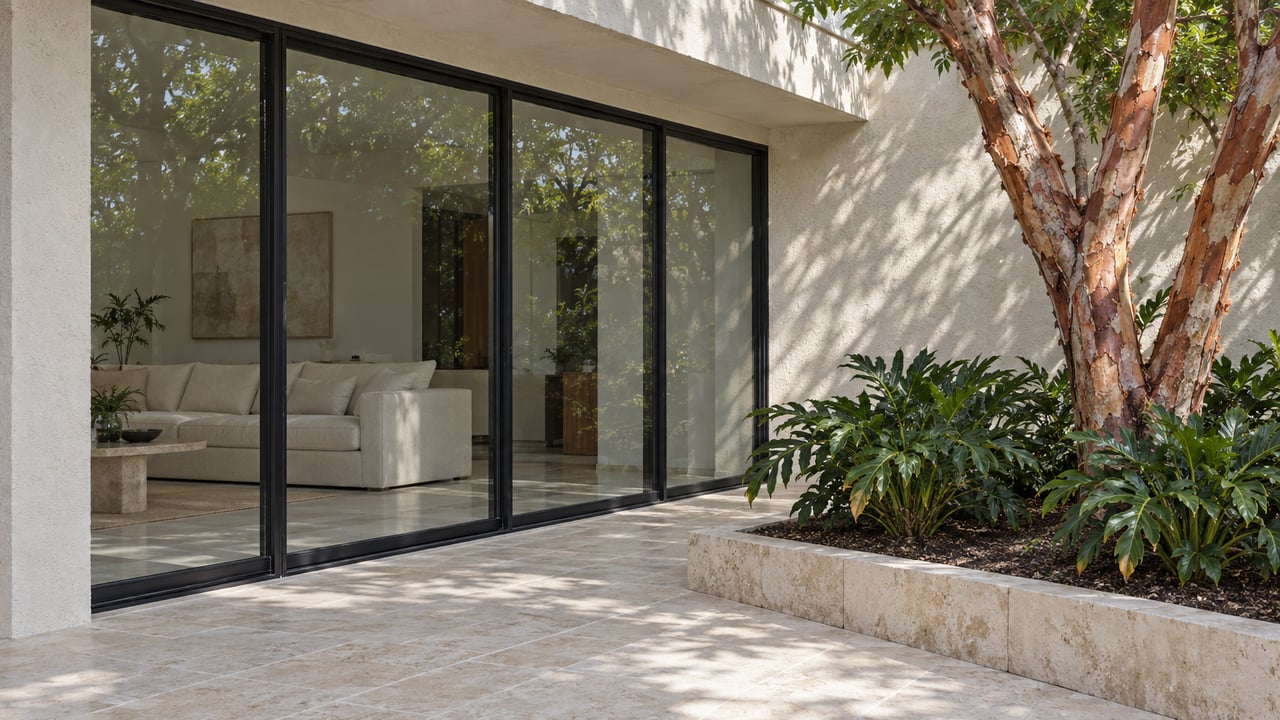
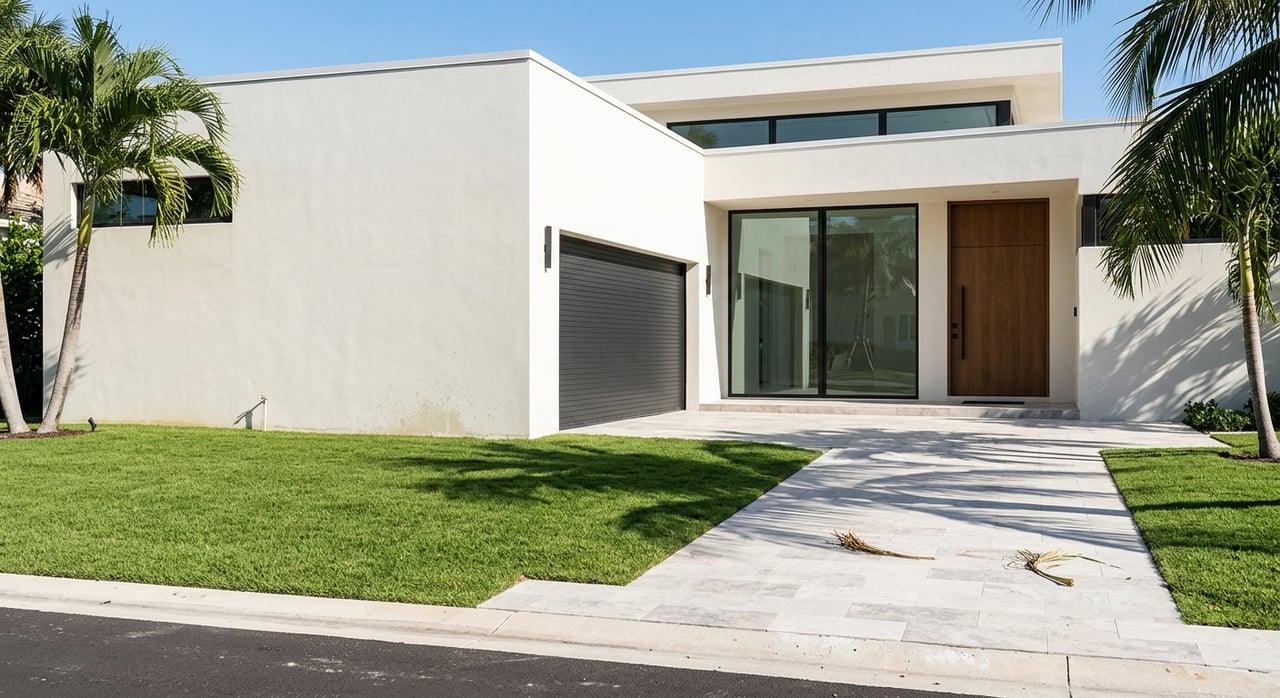
Miami Shores stands out because it blends single-family scale, architectural variety, and bay-oriented amenities. The village highlights a built environment that includes Mediterranean Revival, Art Deco, MiMo, and contemporary homes. It also has a long zoning history, with its first zoning code adopted in 1956 and an updated official zoning map in 2024.
A 2025 residential code analysis found average parcel sizes in core single-family districts ranging from about 7,834 to 21,162 square feet. That is a meaningful distinction if you are comparing Miami Shores to smaller island communities nearby. In simple terms, Miami Shores can offer more breathing room and a more estate-like residential pattern.
The village also has a preservation-minded identity. Its Historic Preservation Board notes that more than forty homes have been designated by the council. That helps explain why Miami Shores often feels curated and established rather than driven only by short-term redevelopment pressure.
Miami Shores Waterfront: Bay Access, Not Beachfront
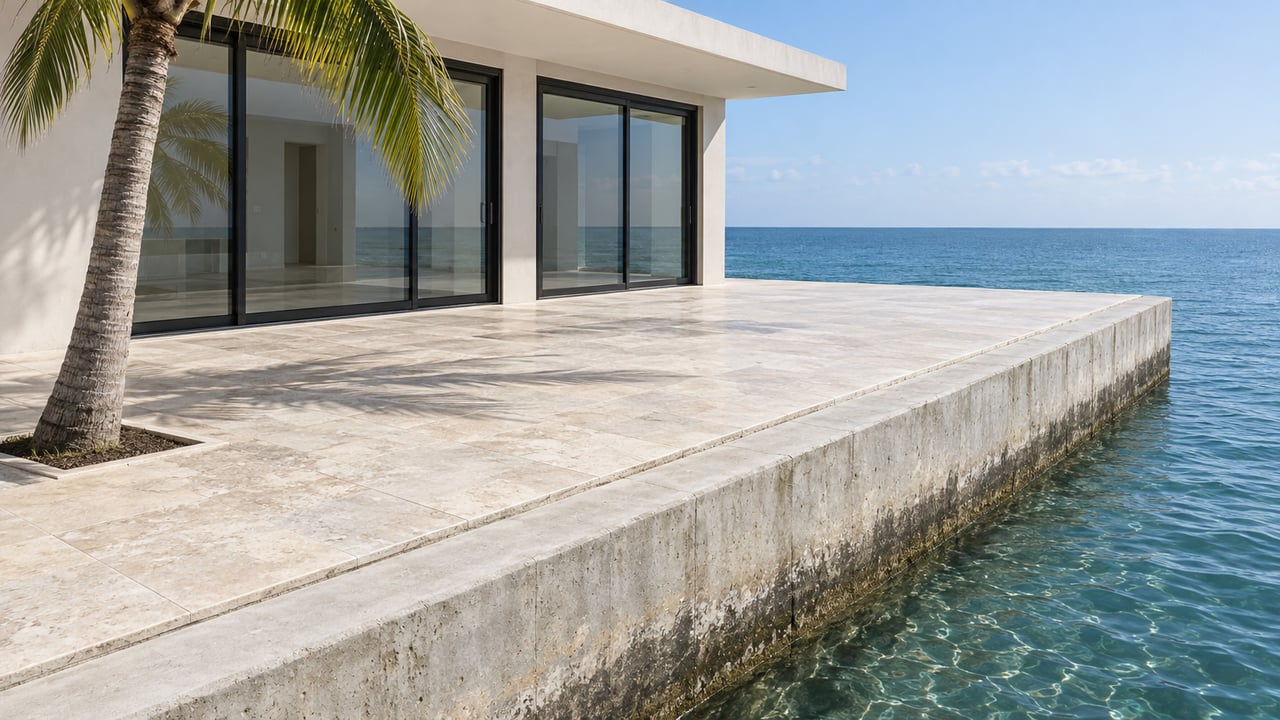
Water is still part of the Miami Shores appeal, but it shows up differently here. Bayfront Park is described by the village as a public waterfront space with about a 900-foot trail along Biscayne Bay and the Intracoastal, along with bay views and a walking path. Village planning materials also reference public waterfront improvements such as piers, boardwalks, and terraced walls.
For buyers, that means Miami Shores is best understood as a bay-oriented, park-based waterfront market. It is not competing as a private-beach destination. If your idea of luxury includes access to Biscayne Bay, open views, and a more residential setting, that can be a strong fit.
Bay Harbor Islands: Compact Island Living
Bay Harbor Islands is one of the closest comparisons, but it offers a very different layout and feel. The town says it consists of two kidney-shaped islands covering less than half a square mile of land. The West Island remains open to single-family home development only, while the East Island is multi-family and contains the business district and municipal core.
The town also states that it lies entirely within a special flood hazard area and that development and improvements require permitting through its building department. That reinforces the fact that Bay Harbor Islands operates as a tightly constrained island community. Its appeal is proximity to Biscayne Bay and compact island living, not the broader single-family footprint you see in Miami Shores.
If you prefer a smaller island setting with a more condensed residential pattern, Bay Harbor Islands may be compelling. If you want deeper lot dimensions and a more expansive village framework, Miami Shores usually tells the stronger story.
Bal Harbour: Beachfront Luxury and Brand Prestige
Bal Harbour is the clearest nearby comparison if your search leans toward luxury branding and beachfront access. The village describes itself as a one-square-mile enclave at the northern tip of Miami Beach, known for luxury hotels, residences, Bal Harbour Shops, and a virtually private beach with both ocean and bay views. Its quality-of-life materials emphasize high-end shopping, fine dining, and a secluded beach environment.
That creates a very different luxury proposition from Miami Shores. Bal Harbour competes on exclusivity, beach access, and a polished resort atmosphere. Miami Shores, by contrast, competes on village identity, residential land, and a more traditional single-family setting.
Bal Harbour’s Waterfront Park also reflects that curated lifestyle approach, with strolling paths, meditative spaces, a dock, kayak launch, roof deck, and resident access controls. If your priority is a branded beachfront experience, Bal Harbour is hard to ignore. If you value more land and a less resort-centered daily rhythm, Miami Shores may feel more aligned.
Surfside: Walkable Oceanfront Living
Surfside gives buyers another oceanfront alternative, but with a slightly different lifestyle than Bal Harbour. The town says it stretches from the Atlantic Ocean to the Indian Creek waterway and includes one mile of beach within roughly one square mile. It also describes itself as a pedestrian-friendly oceanfront community with a mile-long public beach, walking and bike paths, parks, and public spaces.
That walkable coastal identity is a major part of Surfside’s appeal. Architecturally, the town’s Collins Avenue Historic District designation highlights Streamline Moderne and Miami Modern character. Census QuickFacts also show a 74.0 percent owner-occupied housing rate and a median owner-occupied housing value of $881,700.
Compared with Miami Shores, Surfside is more beach-oriented and more compact. Miami Shores offers a stronger village-scale single-family identity, while Surfside offers direct oceanfront living and a pedestrian-friendly coastal setting.
Morningside and Belle Meade: Urban Bayfront Context
For buyers who like historic character and bay proximity but want a more urban Miami setting, Morningside and Belle Meade are important comparisons. The City of Miami describes Morningside as one of its most intact historic neighborhoods and the city’s best surviving Land Boom-era suburb. It is known for Mediterranean Revival, Art Deco, and vernacular homes on wide, tree-lined boulevards.
Morningside also has a strong recreation and water-access component. The city lists a boat ramp, waterfront access, and tennis courts at Morningside Park, while waterfront improvement plans reference a future baywalk, kayak launch, and boat ramp. That gives Morningside a bay-and-park identity that overlaps with Miami Shores in some ways.
Belle Meade, as described by the City of Miami, is a bay-adjacent neighborhood with elegant Mediterranean-style homes that fit the tropical setting. The city groups Belle Meade with other Upper Eastside neighborhoods that are on or near Biscayne Bay. In practical terms, both Morningside and Belle Meade belong in the same broader bayfront conversation, but they sit within a more urban city framework than Miami Shores.
How the Luxury Decision Usually Breaks Down
When buyers compare these areas, the choice often comes down to what they want luxury to mean in daily life. Miami Shores is usually the answer for buyers who prioritize larger residential parcels, single-family character, architectural diversity, and village infrastructure. It is less about spectacle and more about long-term residential quality.
Bay Harbor Islands tends to appeal to buyers who want a smaller island environment close to the water. Bal Harbour is best for those drawn to resort-style beachfront luxury and a globally recognized address. Surfside attracts buyers who want an oceanfront setting with a walkable public beach environment, while Morningside and Belle Meade speak to buyers who want historic bay-adjacent neighborhoods within the City of Miami.
Why Miami Shores Can Be a Smart Luxury Play
Miami Shores occupies a niche that is not always easy to replicate nearby. It combines a mostly single-family land pattern, meaningful lot sizes in core residential districts, a preservation-minded identity, and tangible bayfront amenities. That gives it a strong position for buyers who want privacy, yards, and architectural character without committing to a beachfront tower or a tightly packed island grid.
It also benefits from civic structure and accessibility. The village profile points to its own institutions and quick connections to major parts of the region. For a luxury buyer, that can translate into a lifestyle that feels both refined and practical.
If you are comparing Miami Shores with nearby bayside enclaves, the strongest takeaway is this: Miami Shores does not try to be the flashiest shoreline address. Its value lies in being a more residential, estate-like version of Miami luxury.
If you want a disciplined, private approach to evaluating Miami Shores and nearby luxury enclaves, Isaac Malagon - Sotheby's offers tailored buyer representation, valuation guidance, private search access, and discreet market insight across Miami’s top-tier neighborhoods.
FAQs
What makes Miami Shores different from Bal Harbour for luxury buyers?
- Miami Shores offers a predominantly single-family village setting with larger residential parcels and bay-oriented public waterfront amenities, while Bal Harbour is centered on beachfront luxury, resort-style branding, and exclusive beach access.
How does Bay Harbor Islands compare with Miami Shores?
- Bay Harbor Islands is a much smaller island community with a compact land pattern, single-family homes on West Island, multi-family development on East Island, and flood-sensitive development conditions, while Miami Shores offers a broader village layout and more estate-like residential land.
Is Miami Shores a beachfront market like Surfside?
- No. Miami Shores is a bay-oriented market with public waterfront amenities such as Bayfront Park, while Surfside is an oceanfront town with a mile-long public beach and a more walkable coastal lifestyle.
Why do buyers compare Miami Shores with Morningside and Belle Meade?
- Buyers compare them because all three areas are part of the broader Biscayne Bay conversation and offer architectural character, but Morningside and Belle Meade are in a more urban Miami city setting while Miami Shores has a distinct village identity.
What type of luxury buyer is Miami Shores best suited for?
- Miami Shores is often a strong fit if you want single-family living, more private outdoor space, architectural variety, and a residential environment that feels established rather than resort-driven.