If you are considering a luxury home in Coconut Grove, one question tends to shape the entire search: do you want historic character you can feel the moment you arrive, or the ease of a home built for today’s standards? That choice is not just about style. In the Grove, it also affects maintenance, permitting, flood diligence, and long-term resale appeal. This guide will help you compare both paths with a clear, practical lens so you can move forward with more confidence. Let’s dive in.
Why Coconut Grove Feels Different
Coconut Grove is one of Miami’s oldest neighborhoods, with roots dating back to 1873. That history still shows up in the area’s low-rise feel, layered landscaping, mature tree canopy, and broad mix of architecture.
Much of the neighborhood falls within Miami’s NCD-3 planning framework, which is intended to preserve green space, bay views, architectural variety, and the Grove’s heavily landscaped character. In simple terms, Coconut Grove is designed to feel garden-forward and residential, not overbuilt.
The lifestyle also plays a major role in buyer demand. The Coconut Grove trolley connects parks, shopping areas, and City Hall, while Dinner Key Marina adds a strong link to bayfront living, with hundreds of wet slips and moorings near the village core.
Historic Homes Offer Character You Cannot Easily Replicate
For many luxury buyers, the appeal of a historic Coconut Grove home starts with authenticity. Mature landscaping, deep porches, original materials, and an old-Florida presence can create a feeling that newer homes often try to imitate but rarely fully match.
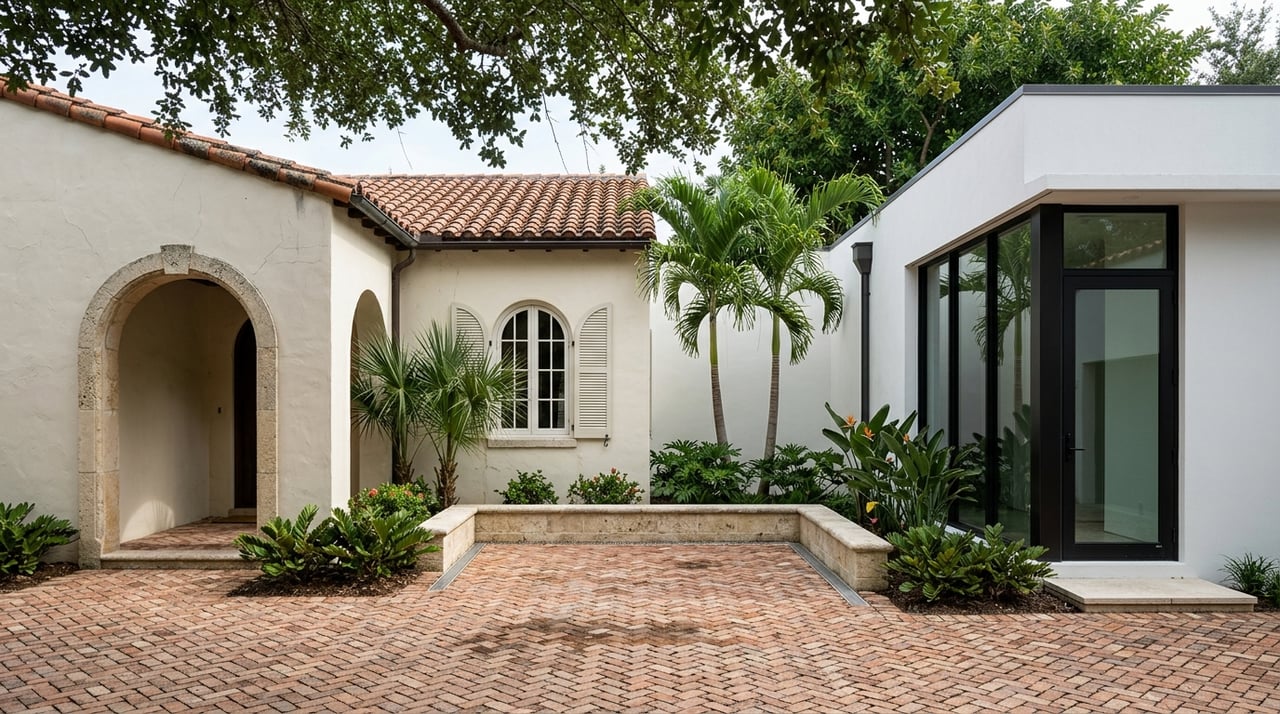
Miami’s historic-preservation materials point to Bahamian, or Conch, houses in the Charles Avenue area as a clear example of the Grove’s traditional architecture. These homes are typically raised on posts or piers and often feature weatherboard siding, double-hung sash windows, broad roofs, and prominent front porches.
That design language matters in the luxury market because it creates scarcity. When a home offers true period details on a well-positioned lot under a mature canopy, buyers are often evaluating something that cannot be reproduced exactly today.
What Historic Ownership Really Means
Owning a historic home usually means taking a more careful approach to maintenance and repair. Preservation standards generally focus on keeping the building’s existing form, features, and materials, and when repairs are needed, replacement materials should match the old in composition, design, color, and texture.
That often leads to a different ownership experience than you would expect in a newer home. Instead of broad replacement, you may be looking at more selective repairs, specialist trades, and decisions that prioritize continuity over convenience.
For some buyers, that is part of the appeal. For others, it can become a source of friction if they prefer a more turnkey ownership experience.
Historic Renovations Can Be Slower
If you are drawn to a historic property because you see renovation upside, it is important to understand the approval process early. In Miami, work on historic properties can require a certificate of appropriateness, including some smaller projects such as window replacements.
For new construction, demolition, or larger repairs and alterations on historic properties, the city notes that a special certificate of appropriateness and Historic and Environmental Preservation Board review may be required. The city says that process can take up to two months.
That does not mean historic homes lack potential. It means the right buyer should treat renovation plans, permit history, and approval pathways as part of the investment decision from the start.
New Construction Brings Modern Standards and Simplicity
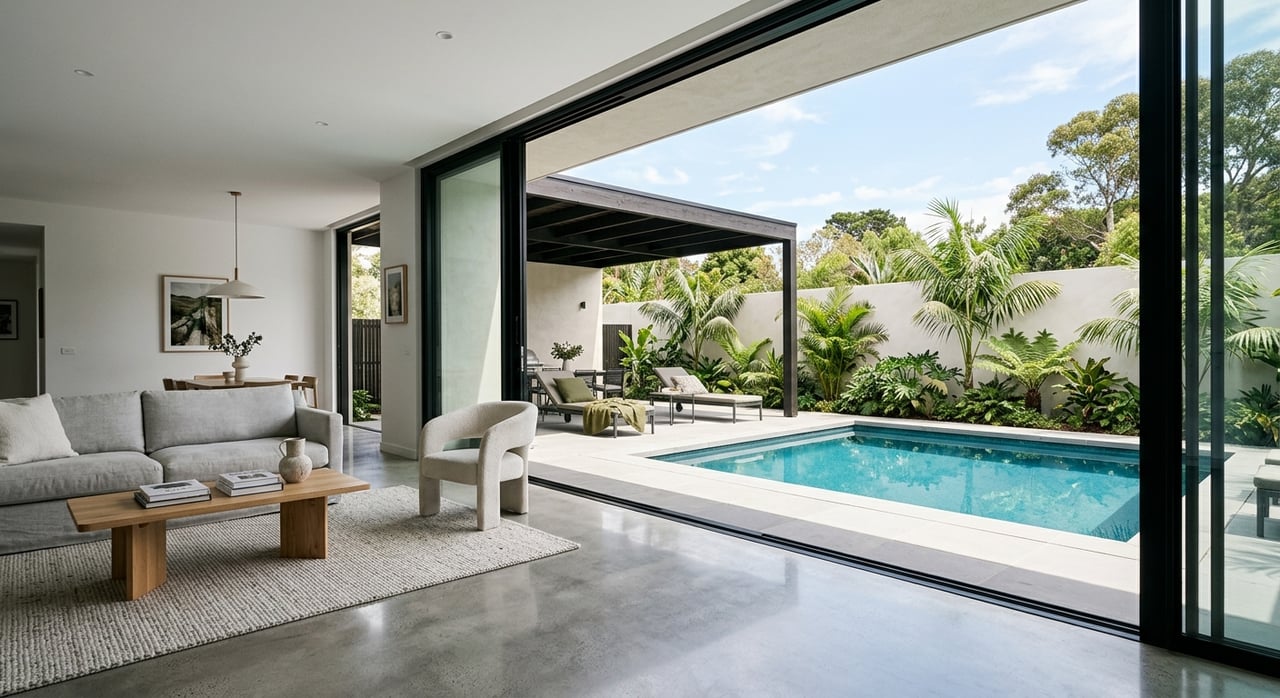
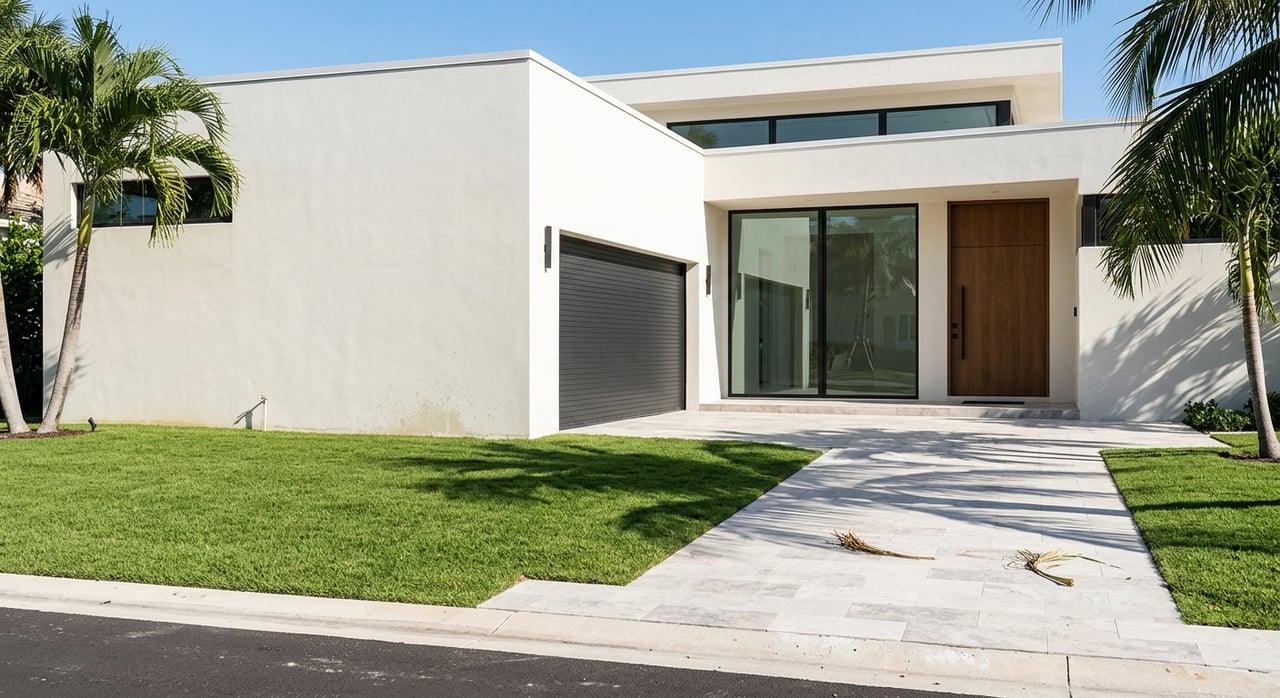
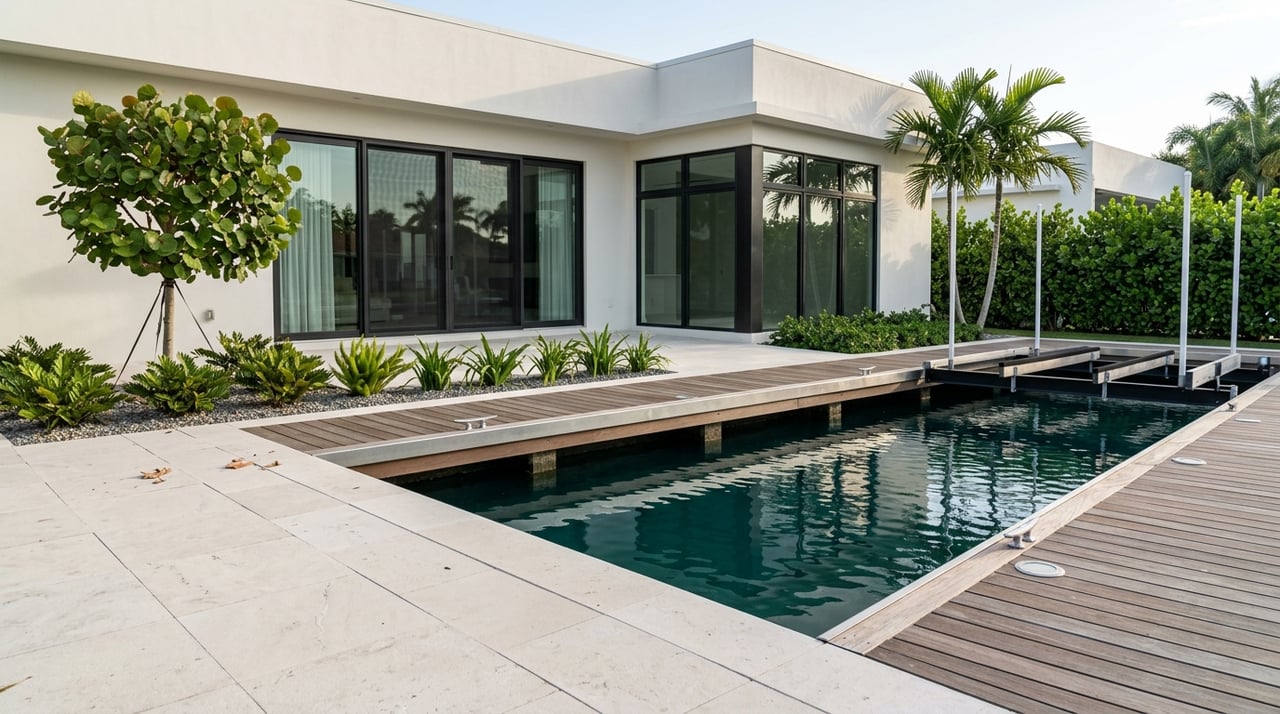
New construction in Coconut Grove appeals to buyers who want current systems, cleaner execution, and fewer near-term surprises. In a luxury market, that often translates to stronger interest from buyers who value efficiency, design control, and immediate usability.
Newer homes are built under the current Florida Building Code, 8th Edition, which took effect on December 31, 2023. Miami-Dade’s Product Control program also covers major exterior components such as windows, exterior glazing, roofing, doors, skylights, siding, and shutters.
From a practical standpoint, that framework makes it easier for new homes to align with today’s wind-resistance standards and modern material requirements. It also supports the expectation that a house designed from scratch can better incorporate current systems and lifestyle preferences.
Flood and Elevation Matter More Than Ever
In Coconut Grove, flood diligence is not a side issue. Miami-Dade notes that the county is especially vulnerable to flooding from major rain events and storm surge because it is surrounded by major water bodies and lies close to sea level.
For that reason, elevation certificates are required for all new construction and for substantial improvements. The county also states that flood insurance is required for any federally backed mortgage in a Special Flood Hazard Area.
There is another key point for buyers comparing older and newer properties. If a home in a flood zone is damaged or improved by more than 50% of its market value, it must be raised to meet the current elevation requirement.
For luxury buyers, this means documentation matters. Elevation records, flood-zone verification, drainage conditions, and improvement history should all be part of your due diligence before you commit.
Even New Homes Must Respect the Grove
A brand-new house in Coconut Grove does not get a free pass to ignore neighborhood character. The Grove’s planning rules still shape how new luxury homes look, sit on the lot, and relate to the street.
Under NCD-3, the intent is to protect low density, tree canopy, and green space. The framework also discourages repetitive architecture on adjacent lots under common ownership, encourages abundant landscaping and porous front yards, and seeks to minimize garage dominance.
There are also measurable limits that affect design. In the basic residential district, single-family buildings are capped at 25 feet, and the minimum green-space requirement is 0.3 times lot area.
In practice, the best new construction in Coconut Grove tends to feel custom, landscaped, and site-specific. The homes that hold value best are usually the ones that embrace the Grove’s garden setting rather than fight against it.
How to Compare Historic vs New Construction
The right choice usually comes down to how you define value. In Coconut Grove, the comparison is less about which category is better and more about which trade-offs best fit your priorities.
Here is a simple side-by-side view:
| Consideration | Historic Luxury Home | New Construction Luxury Home |
|---|---|---|
| Architectural feel | Authentic period character and original details | Clean modern execution and current design standards |
| Maintenance | Often requires specialist repair and careful preservation | Typically lower near-term maintenance |
| Renovation path | Can involve COA review and longer approval timelines | Usually more straightforward if recently completed |
| Flood and code alignment | Needs close review of improvements and compliance history | More likely to align with current code and elevation documentation |
| Scarcity factor | High, especially with mature canopy and original materials | Depends more on design quality, lot, and execution |
Which Buyer Usually Prefers Historic Homes
Historic luxury homes often suit buyers who value architectural authenticity and are comfortable with a more hands-on ownership model. You may fall into this group if you care deeply about original materials, front-porch charm, lot presence, and the feeling of living in a home with a story.
This path can also make sense if you are willing to navigate preservation review thoughtfully. In the right case, the reward is a property with character scarcity that can stand apart in a market where true originality is limited.
Which Buyer Usually Prefers New Construction
New construction often fits buyers who want fewer immediate projects and a smoother path into ownership. If your priority is modern systems, current code alignment, and a more turnkey lifestyle, a newer home may offer the cleaner fit.
This option can be especially attractive if you want design quality without the same level of renovation uncertainty. In Coconut Grove, however, the strongest new homes are still the ones that feel rooted in the setting, with thoughtful landscaping, good lot placement, and architecture that respects the neighborhood’s scale.
Due Diligence Points That Matter Most
Whether you are buying historic or new construction, some details carry more weight in Coconut Grove than they might in other luxury neighborhoods. These are not box-checking items. They can shape usability, cost, and resale.
Before moving forward, pay close attention to:
- Permit history
- Elevation certificates, when applicable
- Flood-zone verification
- Historic-review approvals, if relevant
- Scope and timing of past improvements
- Lot layout, green space, and tree canopy contribution
In this market, those records are part of the value story. They help you understand not just what the home looks like today, but how flexible and resilient it may be over time.
The Real Decision Is Lifestyle Plus Risk Tolerance
The core trade-off in Coconut Grove is character scarcity versus turnkey convenience. Historic homes can offer irreplaceable charm, but they often come with more maintenance complexity, permit review, and renovation friction.
New construction can reduce some of that friction and align more easily with current building and flood requirements. Still, it must earn its value through thoughtful design, strong execution, and a setting that feels true to the Grove.
If you are weighing both options, the best next step is not just to compare finishes or price per square foot. It is to look closely at the property’s documents, lot quality, design integrity, and how well the home matches the way you want to live.
When you are ready to evaluate Coconut Grove luxury homes with a more strategic lens, Isaac Malagon - Sotheby's offers discreet, high-touch guidance tailored to Miami’s high-value market.
FAQs
What makes historic luxury homes in Coconut Grove different from newer homes?
- Historic homes often stand out for authentic architecture, mature landscaping, original materials, and a sense of place that is difficult to replicate in new construction.
What should buyers know about renovating a historic home in Coconut Grove?
- Work on historic properties may require a certificate of appropriateness, and larger projects may need Historic and Environmental Preservation Board review, which the city says can take up to two months.
Why is flood documentation important for Coconut Grove luxury homes?
- Miami-Dade notes that the county is especially susceptible to flooding, so buyers should closely review flood-zone status, elevation records, and improvement history during due diligence.
Are new construction homes in Coconut Grove free from neighborhood design rules?
- No. New homes still need to fit Coconut Grove’s planning framework, which emphasizes low density, tree canopy, green space, abundant landscaping, and limited garage dominance.
How do buyers choose between historic charm and new construction in Coconut Grove?
- The decision usually comes down to whether you value architectural authenticity and are comfortable with more maintenance and review processes, or prefer a more turnkey home with current systems and code alignment.