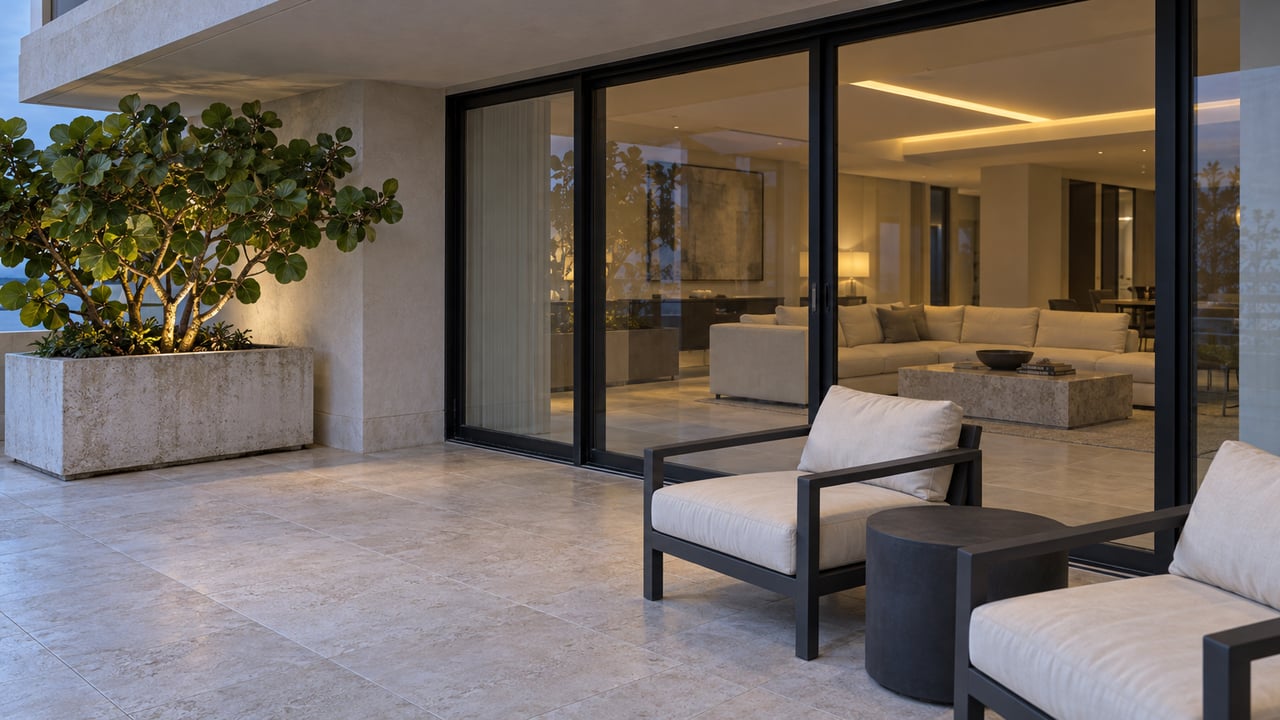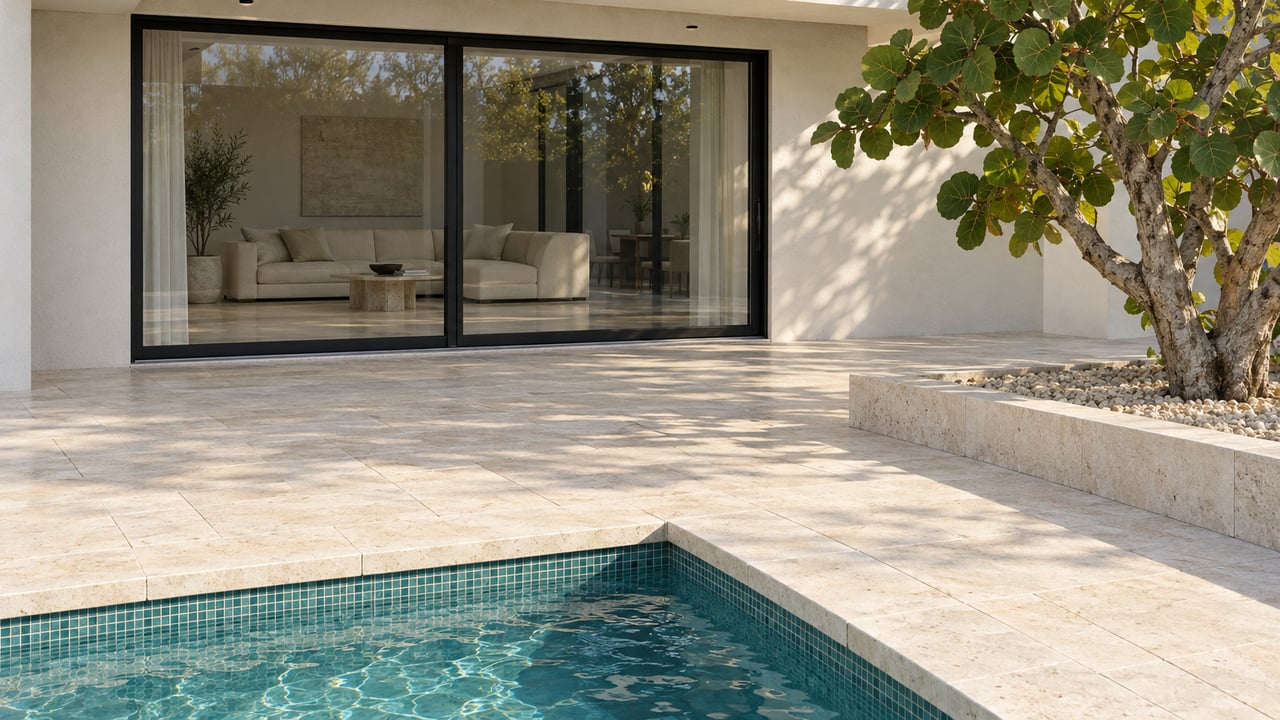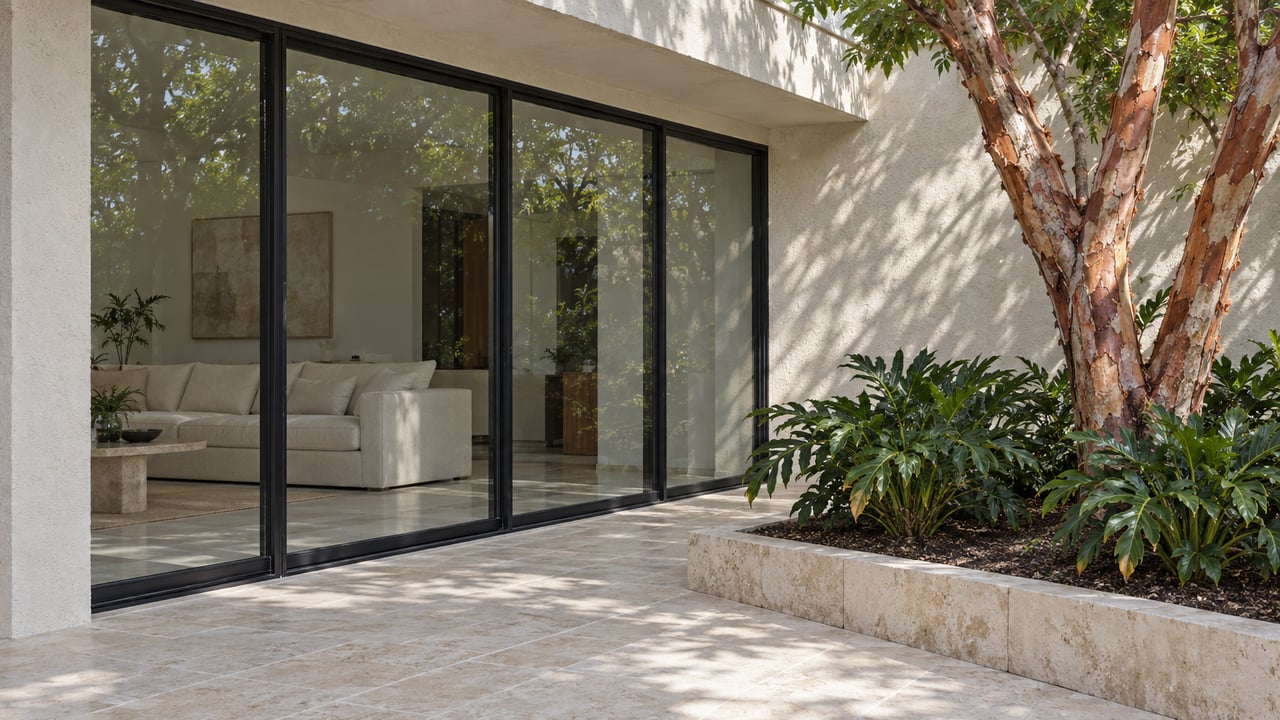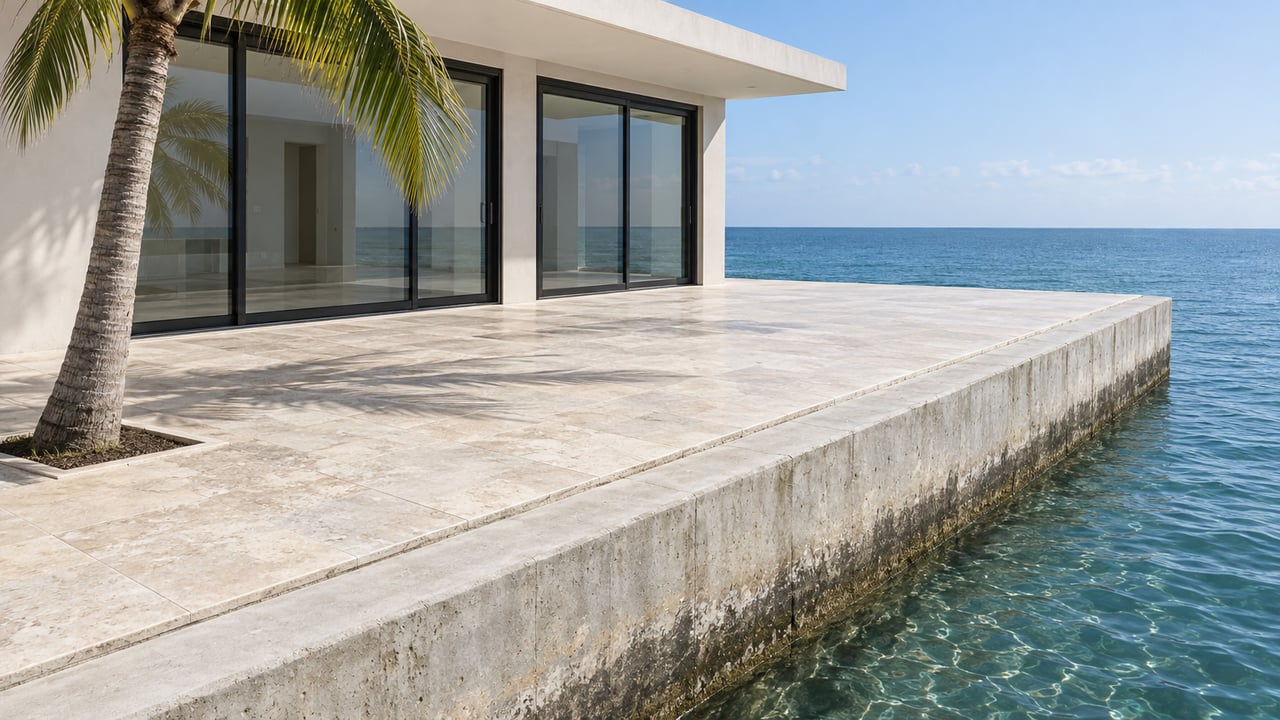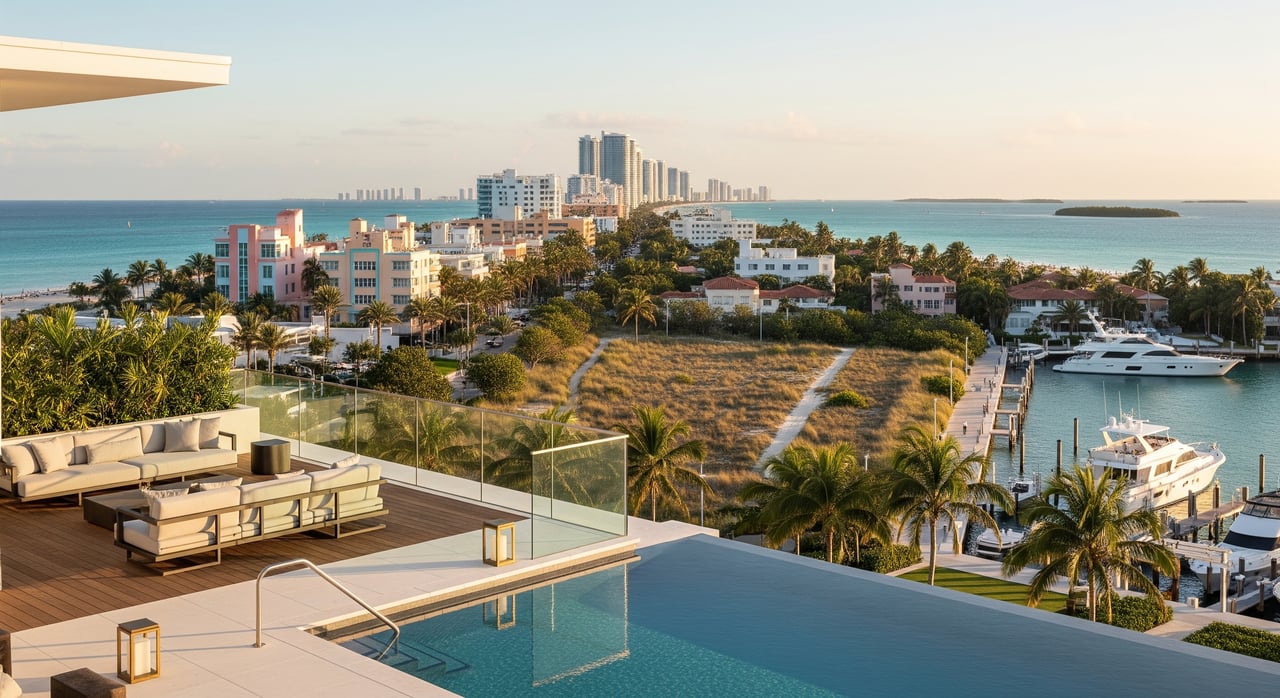
Not all Miami Beach waterfronts are created equal. From gated trophy islands to linear bayfront corridors, each micro market offers a different mix of lot sizes, dockage, privacy, and access. If you are weighing where to buy or how to position a sale, understanding these differences helps you make a confident decision. This guide breaks down the key micro markets, what drives pricing, and how to align your goals with the right island or corridor. Let’s dive in.
What defines each micro market
Barrier-island bayfront streets
These are long bayfront corridors along Biscayne Bay, such as North Bay Road and similar streets. You typically see single-family estates on longer, narrower lots with private docks and direct bay access. Buyers prioritize larger lots, privacy, yacht capacity, and efficient access to open water.
Man-made connected islands
The Venetian Islands sit between Miami and Miami Beach and provide an island lifestyle with bridged access. Homes often have tighter footprints and mixed ages, with many new redevelopments. Buyers value proximity to the mainland and a balanced, island-to-city lifestyle.
Exclusive gated or stand-alone islands
Examples include Palm, Hibiscus, and Star Islands in South Beach. These locations concentrate high-security mansions with prestige and larger parcels relative to the Venetian Islands. Buyers prioritize privacy, security, and quick transfer to Miami’s urban core.
Small island enclaves and inlets
Areas like the Sunset Islands, Allison Island, Normandy Shores, and similar inlets offer a neighborhood feel with a range of renovated modern and mid-century homes. Lot sizes vary. Buyers often seek premium waterfront in a quieter setting without the full trophy pricing of the most exclusive islands.
North vs south context
South Beach islands concentrate celebrity-grade inventory and prestige. Mid- and North-Beach bayfront corridors often feature larger lots and more variation in architectural age and condition. The Venetian Islands tend to sit in the middle for trophy waterfronts, balancing commute convenience with island living.
How prices tend to differ
Across Miami Beach, waterfront properties sit at the top of the price spectrum. Gated trophy islands and high-security enclaves generally command the highest per-square-foot pricing and absolute sale prices. Limited inventory increases dispersion, so rare water frontage or signature views can trade at premiums. Your home’s position, water frontage, and build potential drive outcomes.
Key price drivers include:
- Linear feet of water frontage and lot depth
- Dock capacity, water depth, and seawall condition
- Elevation and flood profile
- Existing home condition and redevelopment potential
Lot geometry and build potential
Lot width and depth shape what you can build. Wider frontage is scarce and valuable. On narrower islands, tighter footprints can limit new construction options and design flexibility. City zoning, setbacks, height rules, and possible association covenants further influence what is achievable. Waterfront improvements such as seawalls and docks require permits that can affect timelines and feasibility.
Dockage, access, and boating
Different micro markets support different boats. Water depth and channel access determine the size of vessels you can accommodate. Some areas offer private docks only, while others have nearby marina options. The number and size of slips on your lot are major value drivers. Marine permitting is overseen at the city and county level, and specific locations can face more complexity.
Flood, elevation, and insurance
Coastal risk varies block by block. Miami Beach has invested in pumps and road elevations, but elevation, seawall condition, and drainage still matter. Insurance for coastal homes can be volatile and often involves windstorm and flood policies. Expect variability in premiums and deductibles, especially for larger assets. Build your plan around the property’s elevation, mitigation, and recent insurance history.
Privacy, security, and lifestyle
If you prioritize discretion and security, gated or single-entry islands are strong fits. If you prefer a larger estate feel with quick access to schools, parks, or golf clubs like La Gorce, consider Mid- and North-Beach bayfront corridors. If you want both island living and a practical commute to Brickell or the Design District, the Venetian Islands provide a compelling middle ground.
Taxes, HOAs, and carrying costs
Miami-Dade’s tax framework applies across the city, but watch for city-level special assessments tied to resiliency or drainage improvements. Some islands have HOA or association covenants that guide architecture, rentals, and security. Waterfront upkeep is significant. Budget for seawall and dock maintenance and hurricane preparedness.
Marketability and resale
Prestige and scarcity attract global demand but can also narrow the buyer pool for highly specialized properties. Accessibility can matter for resale, especially if your ideal buyer expects quick mainland access. Pair your pricing strategy with precise comps that reflect frontage, depth, dock specs, elevation, and recent permitting.
Side-by-side comparison
| Category | Typical home type | Lot and dock traits | Lifestyle focus | Market tier | Key considerations |
|---|---|---|---|---|---|
| Barrier-island bayfront streets | Single-family estates | Longer, often narrow lots; private docks; direct bay access | Privacy, larger grounds, yacht capacity | Upper tier | Frontage premiums, buildable width, seawall projects |
| Man-made connected islands | Boutique estates and remodels | Tighter lot footprints; mixed ages; private docks | Island lifestyle with city access | Mid-upper | Bridge access, lot width constraints, redevelopment |
| Exclusive gated or stand-alone islands | High-security mansions | Larger parcels than Venetian; signature views | Maximum privacy and prestige | Peak tier | HOA controls, strict security, high carrying costs |
| Small island enclaves and inlets | Renovated modern and mid-century | Varied parcels; canal or bay exposure | Neighborhood feel, quieter premium | Upper | Variable frontage, dock size, zoning nuances |
Match your goals: buyer checklist
Ask yourself the following:
- Primary use: full-time, seasonal, or investment
- Waterfront priority: direct bay, protected canal, or marina proximity
- Dock needs: vessel length, draft, slip count, and lift requirements
- Build vs turnkey: new construction potential or renovated historic appeal
- Privacy and access: gated island or bayfront street
- Commute and lifestyle: South Beach proximity or mainland access
- Risk tolerance and time horizon: insurance, resiliency, and resale window
Selling strategy by submarket
To position and price with precision:
- Confirm lot measurements, linear waterfront, and usable dock length
- Pull tight comps on the same island or corridor within the last 24 months
- Document recent seawall and dock permits and any mitigation upgrades
- Disclose special assessments and provide recent insurance renewals
- Highlight lifestyle differentiators such as security, marina access, and proximity to amenities
Positioning examples:
- For maximum privacy and prestige, lead with gated or stand-alone islands and prepare for peak pricing and operating costs.
- For larger estate lots, target North Bay Road and select Mid- to North-Beach bayfront corridors.
- For balanced island living with efficient mainland access, the Venetian Islands are a strong fit.
Compare apples to apples
Build a disciplined comp set for trophy waterfronts by matching:
- Same island or corridor
- Similar linear feet of water frontage within 20 to 30 percent
- Comparable lot area, dock capacity, and water depth
- Similar elevation or known mitigation where available
- A 24-month lookback, extending to 36 months when inventory is thin
Adjust for home condition, approvals, and unique features such as boathouses or private beach access.
Timelines and permitting to plan for
Waterfront improvements take time. Seawall replacement and dock permits can require multiple reviews with city and county agencies. New construction often involves added site-specific approvals and flood-mitigation design. Build conservative timelines into your plan, especially if your purchase or sale is contingent on permitting milestones.
Work with an advisor who knows the islands
Selecting the right micro market is a strategic decision. You benefit from an advisor who can map your goals to lot geometry, dockage realities, permitting pathways, and resale dynamics. Isaac Malagon brings a boutique, advisory-first model backed by trophy execution on Miami Beach islands, including multi-million dollar Hibiscus Island sales. With private search tools, valuation analysis, off-market access, and global distribution through ONE Sotheby’s, you get a confidential, results-driven partner.
Ready to align your goals with the right waterfront? Schedule a private consultation with Isaac Malagon - Sotheby's.
FAQs
What sets Miami Beach waterfront micro markets apart?
- Physical form, lot geometry, dockage, privacy, and access drive distinct pricing and lifestyle differences by island and corridor.
Which Miami Beach islands offer the most privacy?
- Gated or single-entry islands like Palm, Hibiscus, and Star typically deliver higher security and privacy relative to connected islands.
How do docks and water depth affect value in Miami Beach?
- Larger slips, deeper water, and easier channel access allow bigger vessels and raise value, while shallow or constrained access can limit utility.
What flood and insurance issues should I assess in Miami Beach?
- Elevation, seawall condition, local resiliency improvements, and current windstorm and flood premiums are key underwriting and cost factors.
How should sellers price a Miami Beach waterfront home?
- Use strict comps on the same island or corridor, match waterfront frontage and dock specs, then adjust for condition, elevation, and permitting.
How long do seawall or dock permits take in Miami Beach?
- Timelines vary, but multi-agency reviews can extend into months, so plan early and incorporate permitting into your transaction strategy.